
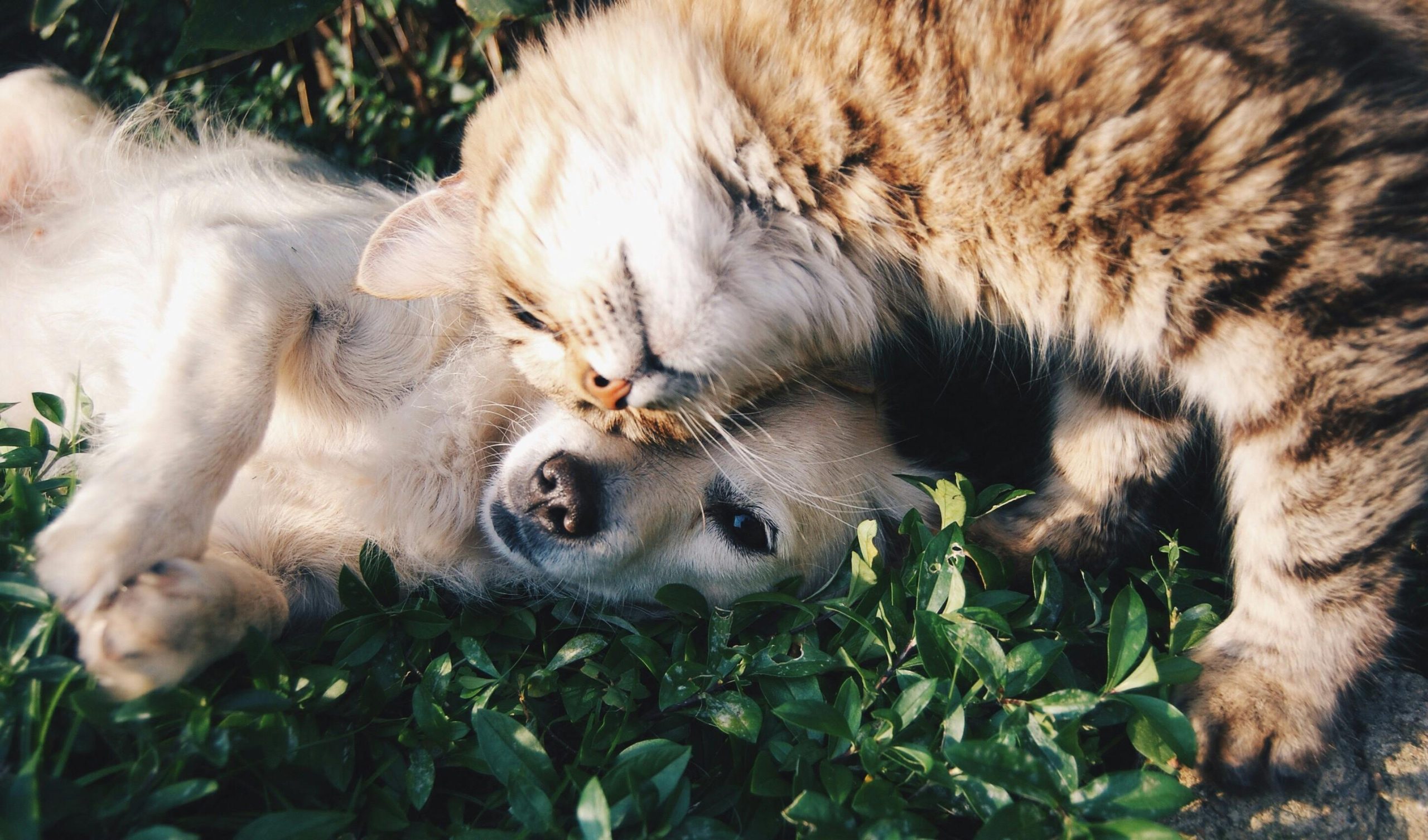
Have you ever wondered about the psychology of strange animal friendships? In the great outdoors, few things grab our interest, like unexpected animal pals. Outside of usual animal routines, these surprise friendships between creatures of different kinds make us wonder. We want to figure out the reasons behind these unusual ties.
Table of Contents
Our Curiosity

Why are we so drawn to these unlikely buddies? What part of our minds pushes us to these strange friendships? To understand more, we need to dive into our feelings and the stories we use to make sense of animals.
Questions and Bonds
At the base of our interest is curiosity. We want to understand the world. Seeing unexpected animal pals goes against what we think we know about relationships. It makes us feel closer to the animals we share the world with.
Seeing Ourselves in Animals
We often see human traits in animals. This makes us more interested. While looking at these friendships between different animals, we think about our ideas of friendship, caring, and working together. By doing this, we feel closer to animals, tapping into our caring attitudes.
Unexpected Friendships Between Animals
History, folk stories, and current media, stories about surprising animal friends have become rich tales. These stories, natural or made up, shift how we see different species interacting. Looking at these stories gives us a peek into how people think and their lasting love for these special relationships.
On this adventure, we want to peel back the layers that make surprising animal friendships so interesting. From how it ties to evolution to the feelings this brings out, we want to know why these bonds draw us in and make us feel amazed. By digging deep into why we love these friendships, we aim to untangle the details that tie us to the fascinating world of friendships between species.
Looking at Mind and Feelings
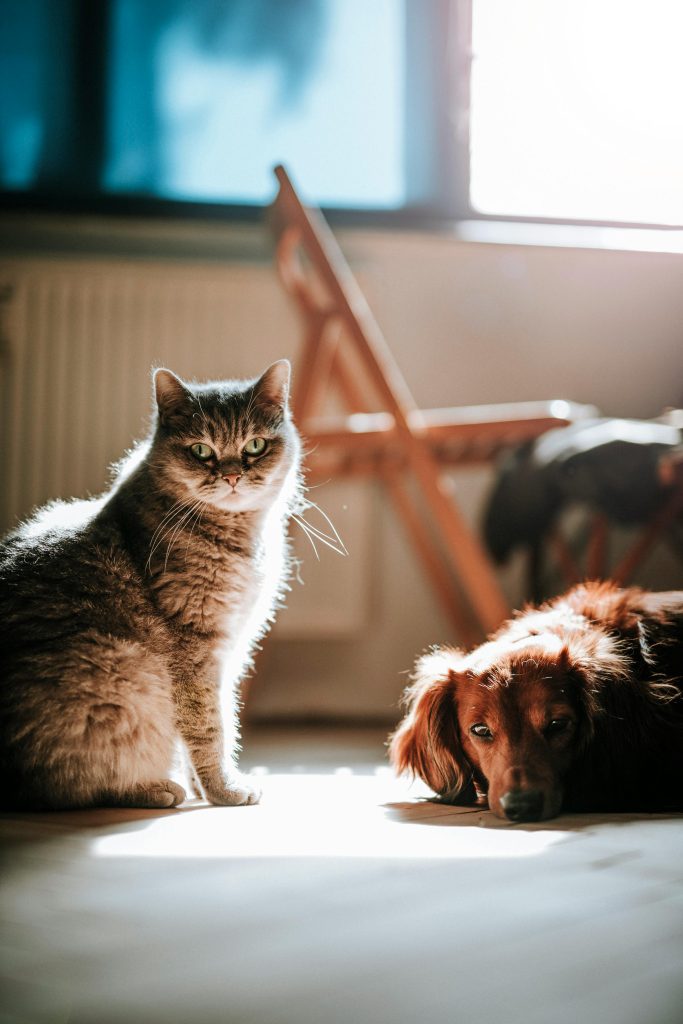
Thinking Empathy: Understanding Empathy In Animals Across Species
When we think about relationships between different species, we see that animals can understand and respond to the feelings of others, not just their kind. This suggests they have cognitive empathy. By studying animal behavior, brain science, and comparisons between species, we try to comprehend this. Looking at how friendships form between different species of animals helps us understand if empathy, a quality usually tied to humans, extends across the animal world.
Emotional Intelligence: Measuring How Animals Connect And React Emotionally
Measuring emotional intelligence in animals helps us understand how deeply and genuinely they form emotional connections. Animals can show a range of emotions like friendship and empathy in tough times, much like humans do. Looking at behavior, bodily clues, and social interactions can help us measure the emotional intelligence underpinning these cross-species connections. In this chapter, we delve into the rich emotional lives of animals. We shed light on the complex network of connections that underlie surprising friendships across species. Through comprehensive examination, we hope to reveal the emotional intelligence that transcends species boundaries, giving insight into the deep nature of relationships across species.
Different Ways Animals Talk
Without Words: How Animals Talk To Each Other Without Sounds
Do you know animals can make friends, even from different species? They have ways of talking without words. We’ll take a deep dive into pointing, expressions, and other ways animals speak. We’ll find out what moves mean and how they work. We’ll look at everything – from dolphins playing to how a fox asks a dog to play. This is key to knowing how these unusual friendships form.
Speaking The Same Language: How Body Language Works Between Species
We’ll show you how body language is a common language between species. They don’t need to bark or meow to understand each other. Gestures, poses, expressions – they all tell stories. We’ll show you how each animal gets the other one’s point. This makes friendships stronger! Here, we go into the rich world of silent talk. We will learn about the quiet, yet vital parts of communication. This unveils the charm of cross-species friendships.
Nature’s Role

Shared Spaces: Understanding How Living together Shapes Animal Friendships
Uncommon animal friendships often form in shared living areas. This chapter explores how creatures bond when they live together. We’ll explore times when different animals share the same areas. This helps us understand the complex relationships that form in these shared spaces. We look at how sharing habitats influences how animals use resources, form relationships, and interact. This helps us see how living closely can spark surprise friendships. We hope to show how the place where animals live together can impact their relationships.
Nature’s Impact: Thinking About How Nature Factors Shape Unusual Friendships
How surroundings affect friendships between species shows how weather, land, and supplies change animal actions. Studying how the earth impacts animals and their survival methods gives us a look into the ties between various species. Seeing how the outside world secretly guides animal friendships gives us a new view of nature’s detailed blueprint and the unusual partnerships that grow in it.
How Animals Adjust Behavior
Behavior Changes: Looking At How Animals Change Their Conduct For Mixed-Species Friendships
When animals form bonds between different species, they frequently change their behavior to communicate successfully, adjust play to include their new friends, partake in mutual grooming rituals, establish symbiotic relationships where each benefits, collaborate on finding food or hunting prey together, share living spaces, heighten watchfulness together, and gain knowledge by observing one another. These behavioral adaptations underscore the adaptability and intricacy of how animals interact socially within diverse relationships.
Shared Advantages: Studying the mutual benefits of surprising animal partnerships
Looking at unlikely animal pals helps us understand the perks of these unique partnerships. Animals from different species join forces for many reasons. Grasping these mutual wins helps us decode these intriguing relationships. Some perks of teaming up? Protection from predators, better food finding, access to fresh resources, better social learning, and maybe even more offspring. Peering into these partnerships lets us see the flexibility and evolution magic of cross-species teamwork in the animal kingdom. These teamwork examples show animals helping each other, despite the specy’s difference, can boost survival chances and the good life odds. Each creature’s unique skills and traits mean that when animals team up, they can do more than go solo.
Psychological Mechanisms
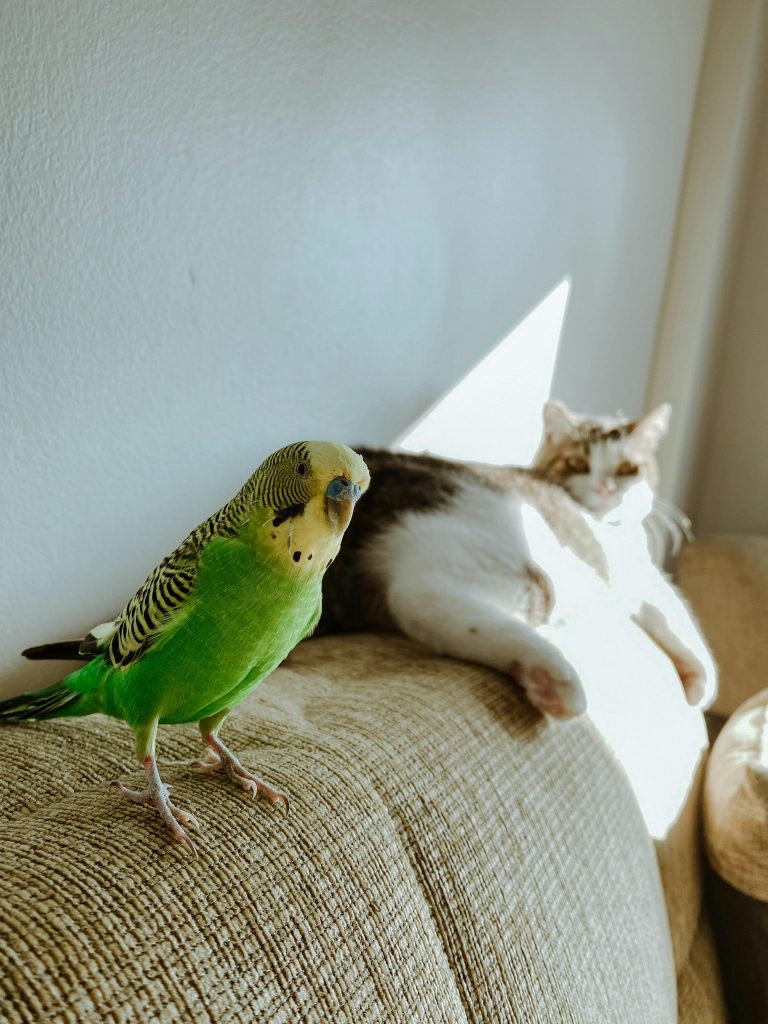
Friendship Theories
We can use theories about human friendships to understand animal bonds. This gives us insights into interspecies relationships by comparing human emotional bonds to animal bonds. We can learn about trust, dependence, and how they behave when separated. This way, we understand animal emotions better and add more knowledge to friendship theory.
Brain Facts
Studying the brain helps us understand friendships between species. Brain studies can show us what part of the brain is used and what brain chemicals are involved in the forming and keeping relationships between species. Knowing these brain basics helps us get a better grip on the emotional and thinking aspects of these bonds. It shows us the biological rules that are similar across different animals.
Human Influence on Animal Relationships
Pets and Buddies
When we dive into how people’s actions affect animal friendships, we look at two key factors: domestication and the creation of human-animal bonds. We study how methods like selective breeding, changes in living space, and human contact impact animal social networks and ties within and between species. By looking at the results of domestication, we learn more about the detailed relationships formed through human touch. This gives us a chance to understand both the positives and the tougher sides of connections between different species in homey environments.
Saving Animals
Discovering how people’s hard work builds unexpected animal friendships within conservation work needs a close look at the conclusive steps taken. These steps boost the teamwork between varied species for conservation reasons. This might cover plans like bringing back certain species, fixing habitats, and managing ecosystems. Assessing the highs and lows of these ventures allows us to grasp how people’s help is vital in keeping biodiversity alive. It also creates situations where unique connections between different species in the wild can flourish.
Unexpected Outcome

When we look at animal friendships, we discover many aspects. This includes how behavior changes, the effect of surroundings, ideas of bonding, and human impact. By learning more about how different animals relate, we understand the close ties animals share. Our view of these connections becomes deeper, which holds vital lessons for animal care and how we relate to nature.
Our articles are researched, edited and regularly reviewed. Sources and references supplied in the article remain part of the published content.


