
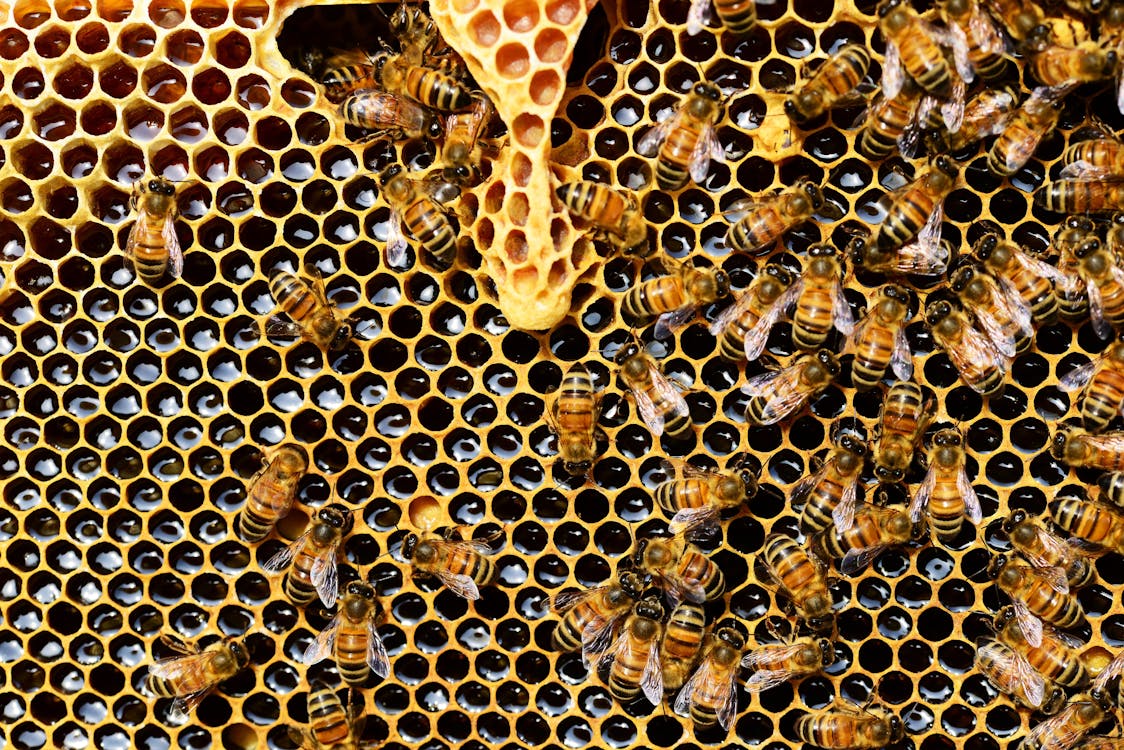
Can dogs have honey? Honey is a special food. We give honey to our dogs. We love our dogs. So, we want to provide them safe food. Honey is a superfood for dogs and people. Your dog can’t eat lots of honey. But, it’s a nice treat. It can give them energy on hard days. Honey has been around for a long time. Scientists found honey with mummified remains in Egypt. Let’s settle this and see is honey safe for dogs.
Table of Contents
What Is Honey and Can Dogs Have Honey?

Bees make honey beautifully, but we don’t know much about it. Honey is a food source for bees. It helps bees when flowers are unavailable, which is why honey lasts long. Bees fly to find nectar from flowers. They use their tongues to collect this liquid. They store it in their stomachs, called crops. Enzymes mix with the nectar in their crops. This helps keep the nectar safe for a long time. Then, bees take the nectar to their colonies.
Bees bring nectar into their hive. They transfer it to worker bees using their mouths. The workers place the nectar in honeycombs. Then they fan it to remove water. This creates honey. After that, they seal the honeycomb with wax to store it.
Health Benefits of Honey

Did you know honey can last forever if stored correctly? While very sweet, it lacks many nutrients. To get health benefits, you need raw, unprocessed honey. Heated or processed honey may contain other ingredients like high fructose corn syrup. This makes it less healthy.
- Honey reduces swelling and inflammation. It fights free radicals that damage cells. Its antioxidants come from vitamins A, C, and E.
- B vitamins are essential for health. They give dogs energy, help brain function, and aid metabolism.
- Vitamins E and D are fat-soluble. They strengthen bones, regulate the immune system, and help blood clotting.
- Copper, magnesium, manganese, and zinc are minerals. They make red blood cells and collagen. They builds muscle, bone density, ligaments, and tendons.
- Honey has antimicrobial, antifungal, and antibacterial properties. Its enzymes reduce inflammation and soothe ulcers and sore throats. On the skin, it heals wounds, hot spots, eczema, and bug bites. When eaten, it removes harmful gut bacteria that cause diarrhea.
- Honey can help older dogs with joint problems and inflammation from hot spots, wounds, or bug bites.
- Honey contains small amounts of flower pollen. This pollen activates your dog’s immune system, producing antibodies that prevent autoimmune responses to pollen.
Not All Honey Is The Same
Different bees can pollinate plants. This means their honey is unique. Manuka honey comes from the manuka shrub in New Zealand. It has up to four times more nutrients than regular honey, with the strongest antibacterial properties of any honey type. Manuka honey can soothe your dog’s throat and reduce coughing if they have kennel cough. Honey with the highest antioxidants include dandelion, meadow, heather, honeydew, jarrah, and tupelo.
Honey May be Dangerous for The Following Dogs
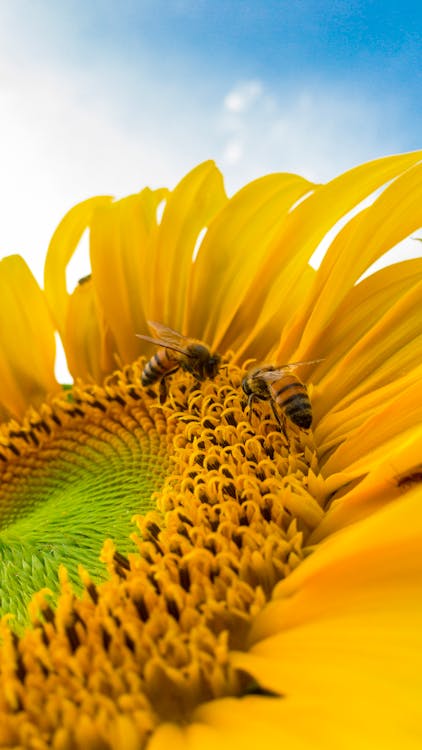
Is your dog allergic to bee stings? Be cautious! Your dog may be allergic to honey, too. It’s recommended that you start with one drop of honey daily and gradually increase the amount if you don’t see any allergic reactions.
- Puppies’ immune systems are still developing. Raw honey could be especially dangerous as it may contain botulism spores. These spores could cause stomach issues for your puppy.
- Dogs with diabetes should never eat honey. A diabetic dog could have its blood sugar rise too high because of the excess sugar in the honey.
- Overweight or obese dogs should avoid honey because of all the sugar. Instead, consider pumpkin treats as a healthier alternative.
- Dogs that have weak immune systems shouldn’t eat honey. It could have botulinum spores. Sick dogs shouldn’t have honey. This includes dogs with diabetes, lupus, cancer, or immune diseases. Honey has lots of sugar. Too much sugar can cause tooth decay in dogs. You can stop this by brushing your dog’s teeth weekly.
How Much Honey Can Your Dog Safely Eat?
Is honey safe for dogs? Despite being a natural sugar, dogs with diabetes, obesity, or immunocompromised bodies should avoid honey. A teaspoon of honey contains 70 calories and 17g of sugar. One teaspoon of honey every day is okay and could benefit most dogs.
- Small (10lbs): 1.25ml per day or ¼ teaspoon.
- Medium (10lbs – 20lbs): 2.5ml per day or ½ teaspoon.
- Hefty (20lbs – 50lbs): 5ml per day or 1 teaspoon.
- Larger (over 50lbs): 10ml per day or 2 teaspoons.
Remember that honey should be eaten in moderation. Your dog could get elevated blood sugar levels due to too much honey. Watch out for diarrhea, vomiting, and appetite loss, and phone your vet immediately if your dog displays any of these symptoms.
Feeding Honey To Your Dog

Can dogs have honey? Yes! Honey is an excellent natural food. People have loved it for thousands of years. This is because it has many health benefits and is tasty. Scientists have proven that honey is very good for you. It is truly a superfood. This sweet liquid is excellent for humans and also for dogs. Honey tastes delicious and is suitable for us too. It has helpful antioxidants, vitamins, and minerals. These, help keep us healthy. Honey can make allergies better, and soothe irritated skin. It is a good remedy for many things. Honey also gives us natural energy. This helps your dog stay active and energetic. Raw honey is the best kind. It has not been processed. This means it has all its nutrients and goodness. Raw honey is safe for adult dogs. The unique qualities of honey are not just about its taste. It helps cook, too.
Our articles are researched, edited and regularly reviewed. Sources and references supplied in the article remain part of the published content.


