
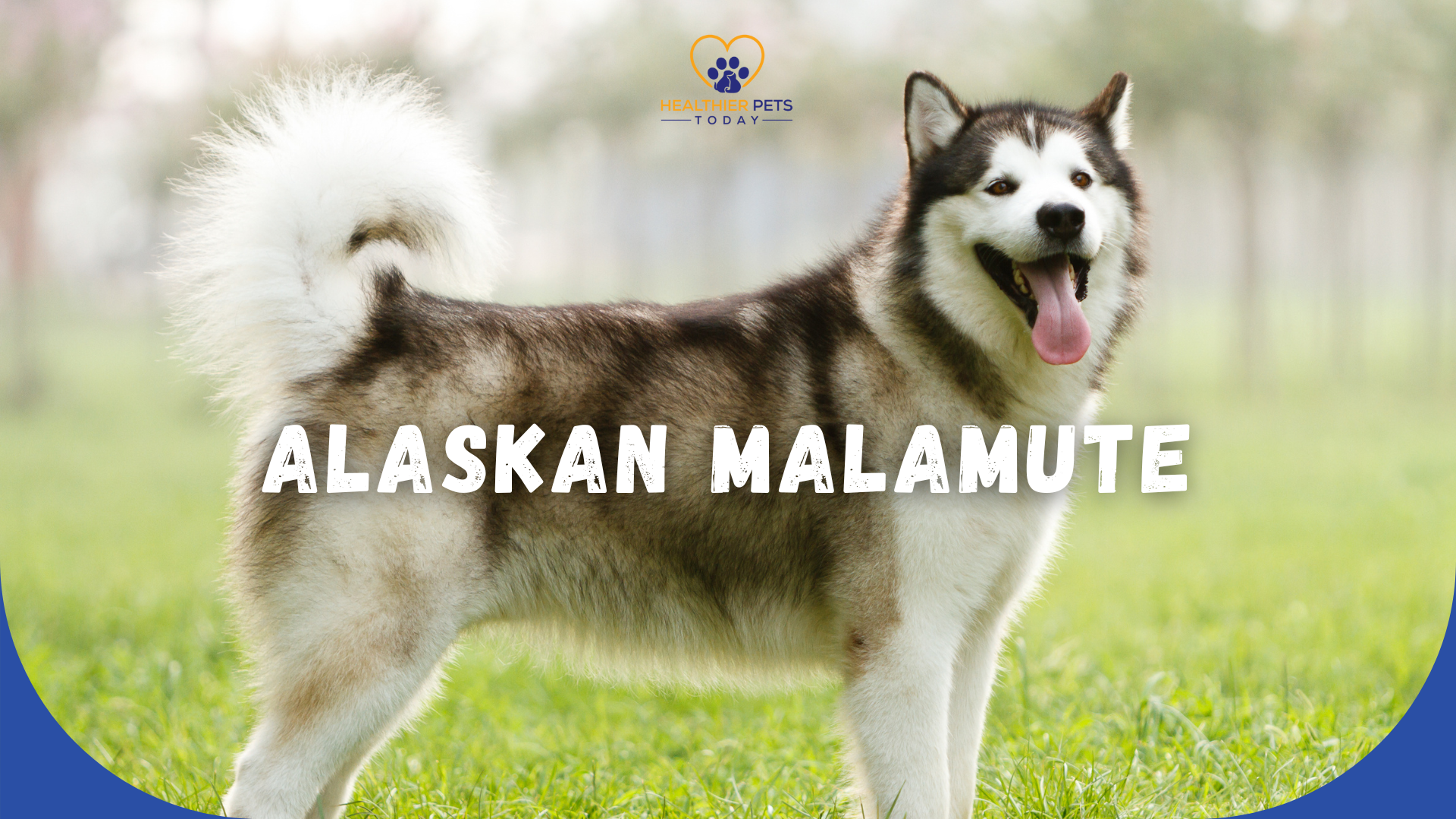
Many say that the Alaskan Malamute is much more than a dog… they are a force of nature. Now, is that just a dramatic claim? Not even close. Spend five minutes with one, and you’ll understand exactly why people say it. This isn’t your average house pet. Alaskan Malamutes were bred to survive and thrive in some of the harshest conditions on Earth. They pulled sleds, braved storms, and kept humans alive in the Arctic cold.
But it’s not just their power that leaves a mark. It’s their presence. Intelligent, stubborn, affectionate, and proud, Malamutes don’t just enter your life. They take up space in it, challenge you, and somehow make it better.
Thinking about getting one? Fascinated by their history? Or maybe you just want to know why they look like they walked out of a snow-covered legend. Either way, this guide is your starting point.
Table of Contents
What Makes the Alaskan Malamute Unique?
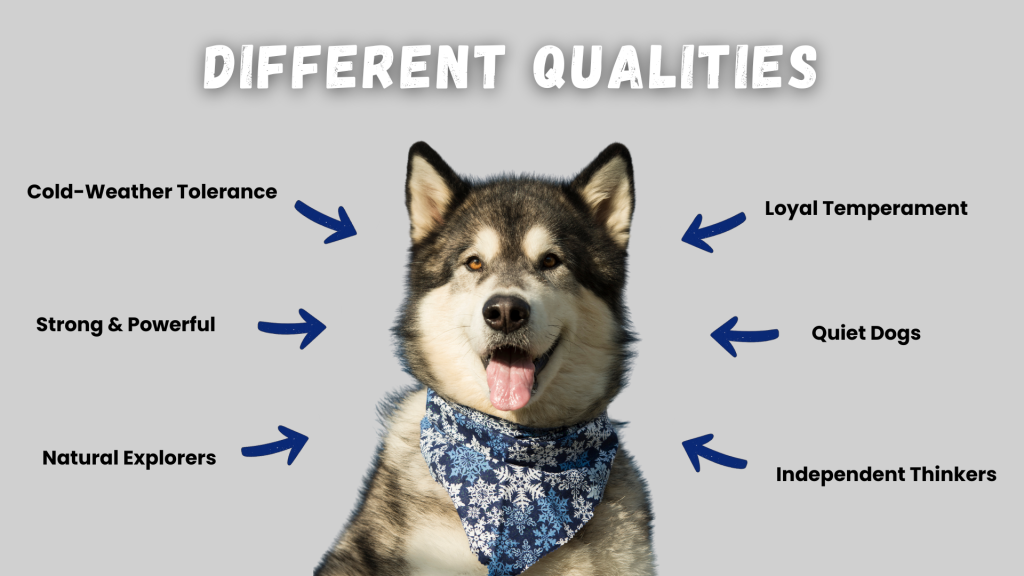
Ask any owner, and they’ll tell you that it’s not just about the size or even their sheer power. It’s something deeper, a legacy that goes back thousands of years. This breed carries stories of survival, loyalty, and teamwork across frozen landscapes. It’s that blend of might and meaning that makes them unforgettable.
Arctic Origins: Partners in Survival
The Mahlemut Inuit didn’t keep these dogs for companionship alone. They relied on them. In a landscape where temperatures could drop well below zero, and where a day’s travel meant miles over ice and snow, they needed more than just an animal. They needed a teammate. The Alaskan Malamute filled that role perfectly.
Bred specifically to haul heavy sleds across punishing terrain, these dogs were built for endurance and resilience. Their powerful legs, broad chests, and thick coats weren’t just impressive, they were essential to daily survival. Even today, most Alaskan Malamutes retain that strong working instinct, which is why they thrive in active homes. Hiking, pulling carts, or even trying modern sports like skijoring helps tap into the drive that’s still so alive in them.
Loyalty Beyond Compare
If you’re hoping for a dog that bonds closely with you, look no further. The Alaskan Malamute is known for being deeply attached to its family. In fact, many follow their humans from room to room, always wanting to be part of the action. Despite their imposing build, they’re often gentle giants around kids and are happiest when included in family life.
But it’s important to note that this loyalty doesn’t necessarily mean they’ll always do what you ask. Malamutes are affectionate but have a famously independent streak. Think of them as partners rather than followers. You earn their cooperation through trust and consistency.
A Modern Dog with Many Roles
While they’re rooted in history, today’s Alaskan Malamutes are incredibly versatile. Many serve as therapy dogs, bringing comfort to people in hospitals and care facilities. Others are trained for service work, such as helping people with mobility challenges. And yes, plenty still participate in sledding sports or recreational pulling events.
Their adaptability extends to where they live, too. Provided they get enough exercise and mental stimulation, they can thrive in both city apartments and wide-open country spaces. This flexibility is why more people are considering Alaskan Malamute adoption, whether they’re nestled in bustling neighborhoods or surrounded by fields.
Striking Looks That Turn Heads
There’s no denying it: this breed is downright gorgeous. A massive Alaskan Malamute stands out instantly, thanks to a powerful build and features that hint strongly at their wolf ancestors. It’s one of the reasons their photos flood social media feeds and capture imaginations worldwide.
Built for Strength
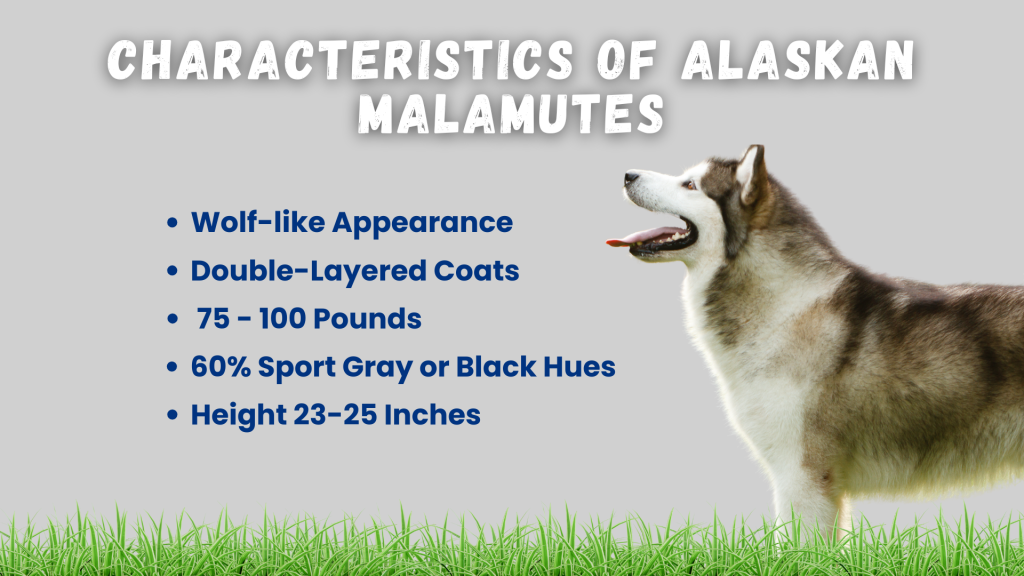
Most Alaskan Malamutes stand between 23 and 25 inches at the shoulder. Males typically weigh around 85 pounds, with females slightly lighter at about 75. Some lines are bred to be even larger, leading to true “giant breed Alaskan Malamute” dogs that easily surpass 100 pounds. Their broad shoulders, deep chests, and sturdy legs mean they’re not just big, they’re built to haul serious weight over long distances.
That Legendary Coat
Nothing says “northern breed” quite like the Malamute’s lush double coat. The dense underlayer traps heat close to the body, while the outer layer repels snow and moisture. It’s why they can rest comfortably on ice [PetMD]. Color-wise, while many come in mixes of gray and black, the white Alaskan Malamute is especially stunning, turning heads wherever it goes.
This beauty does come with a trade-off: lots of shedding. They blow their coats heavily twice a year, and regular brushing (about three to four times a week) keeps mats and fur tumbleweeds at bay. Bathing every couple of months helps, but overbathing can strip essential oils, so it’s best to keep to a sensible schedule.
Distinctive Features
A broad head, erect ears, and a plume-like tail carried over the back give the Alaskan Malamute its unmistakable silhouette. Those almond-shaped eyes, usually brown but sometimes displaying striking heterochromia, seem to hold centuries of stories. It’s no wonder that Alaskan Malamute pictures are so popular, they practically radiate majesty.
Inside the Malamute Mind: Personality and Behavior
So what’s it actually like to live with one? Expect a vibrant, sometimes demanding companion who’s loving, playful, and occasionally exasperating.
Naturally Social (But Not Needy)
These dogs are pack-oriented through and through. They generally love being around their families and are known to greet new people warmly, although some can be a bit reserved at first [Dogster]. Early socialization helps ensure your Malamute grows into a confident, balanced adult. Puppy classes, regular outings, and exposure to different sights and sounds all payoff.
Stubborn Yet Smart
The same traits that made them excellent Arctic sled dogs, independent thinking and decision-making, can sometimes frustrate modern owners. Training a Malamute takes patience and creativity. They’re clever and quick to learn, but they like to know what’s in it for them. Positive reinforcement with treats or games works best. Harsh methods backfire, eroding trust and cooperation.
A Body Built for Action
This is not a couch potato breed. Without at least two hours of daily exercise, boredom sets in, often leading to unwanted behaviors like digging, chewing, or excessive howling. That’s why owners of Alaskan Malamute puppies quickly learn the importance of structured activities. As adults, long hikes, backpacking trips, or even harness work like canicross keeps them healthy and content.
The Signature Howl
Malamutes are known for their melodious voices. They rarely bark without cause, preferring instead to “talk,” grumble, or break into a soulful howl. While many find this charming, it can be tricky in apartment living. Teaching a “quiet” command early on pays dividends.
Caring for Your Alaskan Malamute

Owning one of these majestic dogs is a commitment but for the right person, it’s deeply rewarding.
Feeding for Health and Energy
High-quality, protein-rich food fuels their active lifestyle. Most adults eat about three to four cups daily, split into two meals [WebMD]. Alaskan Malamute puppies have even higher nutritional needs to support rapid growth, often requiring four or five smaller meals a day.
Look for foods that list real meat first and include omega-3s for coat health. Keeping them at a healthy weight also reduces strain on their joints, which is especially important given the breed’s size.
Keeping Up with Grooming
That spectacular coat needs consistent care. Most owners brush several times a week, ramping up to daily sessions during heavy shedding seasons. Using an undercoat rake or a specialized brush like a Furminator helps remove loose hair before it ends up all over your house. Baths every 6-8 weeks keep odors at bay, and many Malamutes come to enjoy the grooming routine, especially when treats are involved.
Exercise and Enrichment
Mental exercise is just as vital as physical. Puzzle feeders, scent games, and short training sessions keep their sharp minds engaged. Mix up daily walks with trail runs or even let them pull a cart to channel their historic purpose.
Training: Start Young, Stay Consistent
Begin teaching basic manners as soon as you bring your Alaskan Malamute puppy home. Short, upbeat sessions work best. Crate training helps with housebreaking and gives them a safe spot to relax. As they mature, keep building on early lessons, a well-trained Malamute is a joy to live with.
Health, Lifespan, and Special Considerations
With good care, the Alaskan Malamute lifespan typically ranges from 10 to 14 years. Like many large breeds, they’re prone to certain genetic issues, including hip dysplasia and hypothyroidism. Regular vet check-ups, joint supplements, and staying on top of weight management all contribute to a longer, healthier life.
Warm climates pose additional challenges. These dogs are built for snow, so in hot weather, they’re prone to overheating. Owners in warmer areas often rely on AC, cooling mats, or vests to keep them comfortable.
A Legacy That Lives On
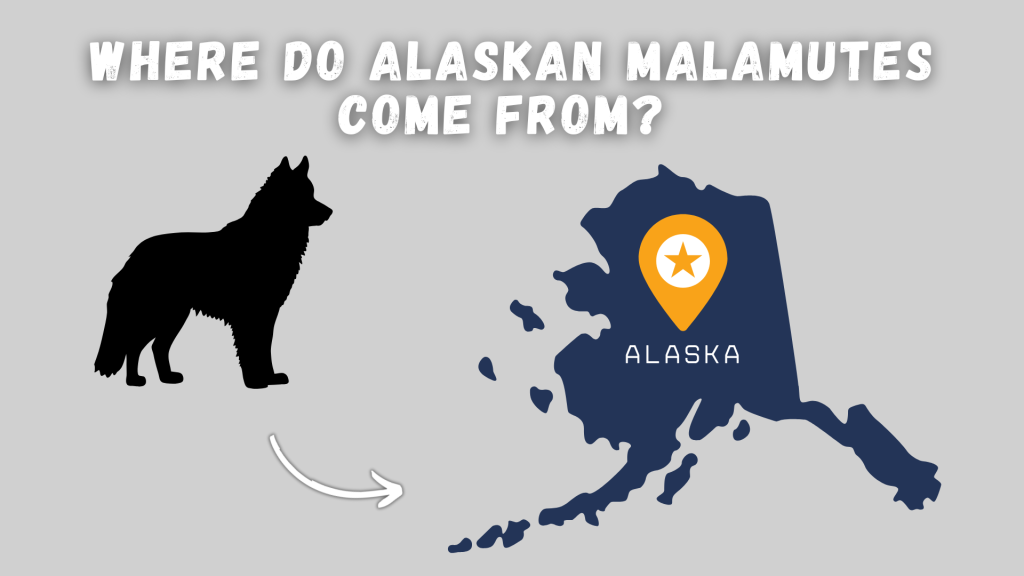
From their vital role with the Inuit, to pulling gold rush sleds, to starring in Hollywood films, Alaskan Malamutes have left a mark everywhere they’ve gone. Today, you’ll still find them competing in sledding sports, serving as therapy animals, or simply lounging on the couch, with one eye always on their family.
Their story isn’t just about surviving harsh winters. It’s about partnership, resilience, and a bond that’s stood the test of time.
Conclusion: Why Choose an Alaskan Malamute?
A massive Alaskan Malamute is more than a pet. It’s a piece of living history, a loyal companion, and often, a bit of a character who’ll make you laugh daily. Whether you’re enchanted by an Alaskan Malamute puppy’s playful energy or considering Alaskan Malamute adoption to give an older dog a loving home, be prepared for a relationship built on mutual respect, activity, and plenty of heart.
FAQs
Are Alaskan Malamutes good family pets?
Absolutely, provided your family is active and committed. They’re affectionate with kids, generally welcoming with visitors, and happiest when treated as part of the pack.
How big do they get compared to Huskies?
The typical Alaskan Malamute height is about 23-25 inches at the shoulder, with weights easily topping 85 pounds, compared to a Husky’s more modest 35-60 pounds. A true giant breed Alaskan Malamute can exceed 100 pounds.
Do they require a lot of care?
Yes. Between daily exercise, frequent grooming, and consistent training, they’re best suited to owners ready for a hands-on partnership. But ask any Malamute lover, it’s worth every minute.
Can they live in warmer climates?
They can, with precautions. You’ll need to watch for signs of overheating, keep them indoors during the hottest parts of the day, and ensure they always have access to shade and cool water.
Our articles are researched, edited and regularly reviewed. Sources and references supplied in the article remain part of the published content.


