Cats seem independent, but they can miss you when you’re gone. Separation anxiety in cats occurs when they feel stressed in your absence, resulting in behaviors such as excessive meowing or scratching. This guide explains why it happens, how to spot separation anxiety in cats signs and symptoms, and practical steps to help your cat feel calm.
Use these tips to support your cat’s emotional well-being and make alone time more manageable!
What Is Separation Anxiety in Cats?
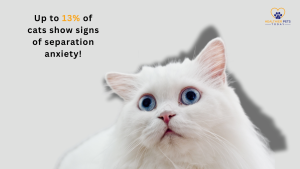
Separation anxiety in cats occurs when your cat feels stressed or scared when you or another caregiver is absent. Cats form strong bonds with their owners, and some struggle when left alone. This can occur after changes, such as returning to work after a period of staying home, or if your cat was orphaned at a young age.
Female cats or indoor-only cats may exhibit this behavior more often. It affects their emotional health, leading to behaviors such as urinating outside the litter box or excessive grooming. Recognizing this helps you address it early and keep your cat calm.
What Are the Signs of Separation Anxiety in Cats?
Separation anxiety in cats symptoms vary, but they often show when you’re away or preparing to leave. Your cat might meow loudly, scratch furniture, or pee on your bed to mix their scent with yours. These aren’t signs of spite, but rather stress, according to veterinarians. Other signs include overgrooming, resulting in bald patches, or refusing to eat. These behaviors indicate that your cat misses you and feels uneasy, which can impact their emotional well-being.
Some signs are harder to spot since they happen when you’re gone. Set up a camera to monitor for signs of separation anxiety in cats, such as pacing, hiding, or excessive vocalizing. Cats may also act clingy or overly excited when you return.
Noticing these patterns helps you take the necessary steps to ensure your cat feels secure and safe.
Common Triggers for Separation Anxiety in Cats
Separation anxiety in cats often stems from specific causes.
This table lists common triggers and why they cause stress:
| Trigger | Reason |
| Routine Changes | New work hours or travel disrupt your cat’s schedule, causing stress. |
| Overattachment | Constant attention makes your cat rely on you, leading to anxiety when alone. |
| Indoor Living | Indoor cats depend on you for stimulation, increasing stress when you’re gone. |
| Early Separation | Orphaned or early-weaned cats form strong bonds, making it difficult for them to spend time alone. |
| Lack of Companions | Single-cat homes lack social bonds, raising anxiety when you’re away. |
How to Help Your Cat with Separation Anxiety
How to help separation anxiety in cats involves simple changes to make your cat feel safe. These steps, based on expert advice, reduce stress and support emotional health.
Try these methods to treat separation anxiety in cats effectively:
Keep a Routine
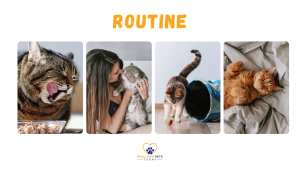
Cats thrive on routine. Feed, play, and cuddle together daily. A consistent schedule helps your cat know what to expect, which in turn reduces stress. If you’re away, a pet sitter can maintain this routine. According to veterinary reviews, approximately 70% of cats exhibit less anxiety with steady routines [sciencedirect.com]. This helps fix separation anxiety in cats by providing a sense of security.
Add Enrichment
Boredom worsens separation anxiety in cats. Provide toys like puzzle feeders or scratching posts to keep your cat entertained and occupied. Place a perch by a window for bird-watching. These activities distract your cat and support their emotional health. Hide treats around the house to encourage exploration, helping break separation anxiety in cats by keeping them engaged.
Use Calming Products
Pheromone diffusers, such as Feliway, mimic natural cat signals to help reduce stress. Place them where your cat spends most of its time. Calming supplements, such as L-tryptophan, may also be beneficial, but consult with your veterinarian first. These tools create a soothing environment, helping you understand how to treat separation anxiety in cats and improve their emotional well-being.
Train for Alone Time
Gradually increase time apart to break separation anxiety in cats. Start with short absences, like 5 minutes, and return calmly. Reward your cat with a treat for staying relaxed. Slowly extend these periods over weeks. This teaches your cat you’ll return, reducing stress. Use a camera to monitor progress, ensuring they stay calm.
Check with a Vet
Your veterinarian will rule out health issues, such as urinary infections, which can mimic signs of anxiety. Your vet may suggest behavior plans or, in severe cases, medication to treat separation anxiety in cats. This ensures your cat’s physical and emotional health, addressing the root cause effectively.
Tips to Support Your Cat’s Emotional Health
These tips help reduce stress and support emotional health:
Limit Attention
Constant attention can make your cat overly dependent. Sometimes ignore meowing and reward calm behavior with treats. This helps fix separation anxiety in cats by encouraging independence. About 13% of cats show anxiety due to overattachment. Redirect them to toys to build confidence [rover.com].
Play Before Leaving
Play with your cat for 10 minutes before you leave, using a wand toy. This tires them out, making them more likely to nap while you’re gone. It reduces stress and supports emotional well-being, helping to alleviate separation anxiety through engaging in positive activities.
Keep Departures Low-Key
Avoid big goodbyes or hellos. Stay calm when leaving or returning to prevent stress. Give a treat as you go to create a positive link. This helps treat separation anxiety in cats by making your absence less distressing and keeping your cat calm.
Will It Just Go Away?
Separation anxiety in cats won’t vanish on its own. Without help, stress can worsen, affecting your cat’s health. Use tools like routines or toys to manage it. Small steps, like short absences, make a difference over time, helping your cat feel secure.
Progress may be slow, with some setbacks. Stay patient and consistent. Regular efforts, like enrichment or training, reduce separation anxiety in cats symptoms and improve emotional health, letting your cat relax alone without distress.
When to Seek Professional Help
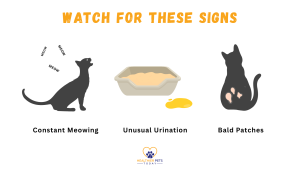
If your cat’s separation anxiety in cats signs and symptoms don’t improve, see a vet. Signs such as constant meowing, bald patches, or urinating outside the litter box may signal underlying health issues. A vet can check for problems and suggest solutions to keep your cat healthy.
For severe cases, a vet or behaviorist may recommend medication or therapy. Early intervention prevents more severe problems, ensuring your cat’s emotional and physical well-being. This supports long-term comfort and reduces stress when you’re away.
Conclusion: Here’s What You Should Never Forget
Separation anxiety in cats can make your feline friend stressed, but you can help. Recognize signs of separation anxiety in cats, like meowing or scratching, and use routines, toys, and calming products. Stay patient, keep calm during departures, and consult your veterinarian if needed. Your cat deserves to feel safe, and these steps make alone time easier.
FAQs
What are separation anxiety in cats symptoms?
Your cat may meow excessively, scratch furniture, or urinate outside the litter box. Overgrooming or refusing food are also signs. These show stress when you’re away.
Why does my cat have separation anxiety in cats?
Changes in routine, overattachment, or being indoors can cause it. Orphaned cats or single-cat homes may increase the risk.
How to help separation anxiety in cats?
Keep a routine, add toys like puzzle feeders, and use pheromone diffusers. These reduce stress and help your cat feel secure.
Can I break separation anxiety in cats?
Yes, with patience. Gradually increase alone time, reward calm behavior, and avoid big goodbyes. This teaches your cat to relax alone.
How to treat separation anxiety in cats?
Utilize routines, enrichment activities, and calming products like Feliway. For severe cases, a vet may suggest medication or behavior plans.
How to fix separation anxiety in cats?
Combine consistent schedules, playtime, and low-key departures. Monitor your cat with a camera and adjust the setup based on their needs.
When should I see a vet for separation anxiety in cats?
If signs such as constant meowing or bald patches persist, consult a doctor. They’ll rule out health issues and suggest treatments.
Our articles are researched, edited and regularly reviewed. Sources and references supplied in the article remain part of the published content.