
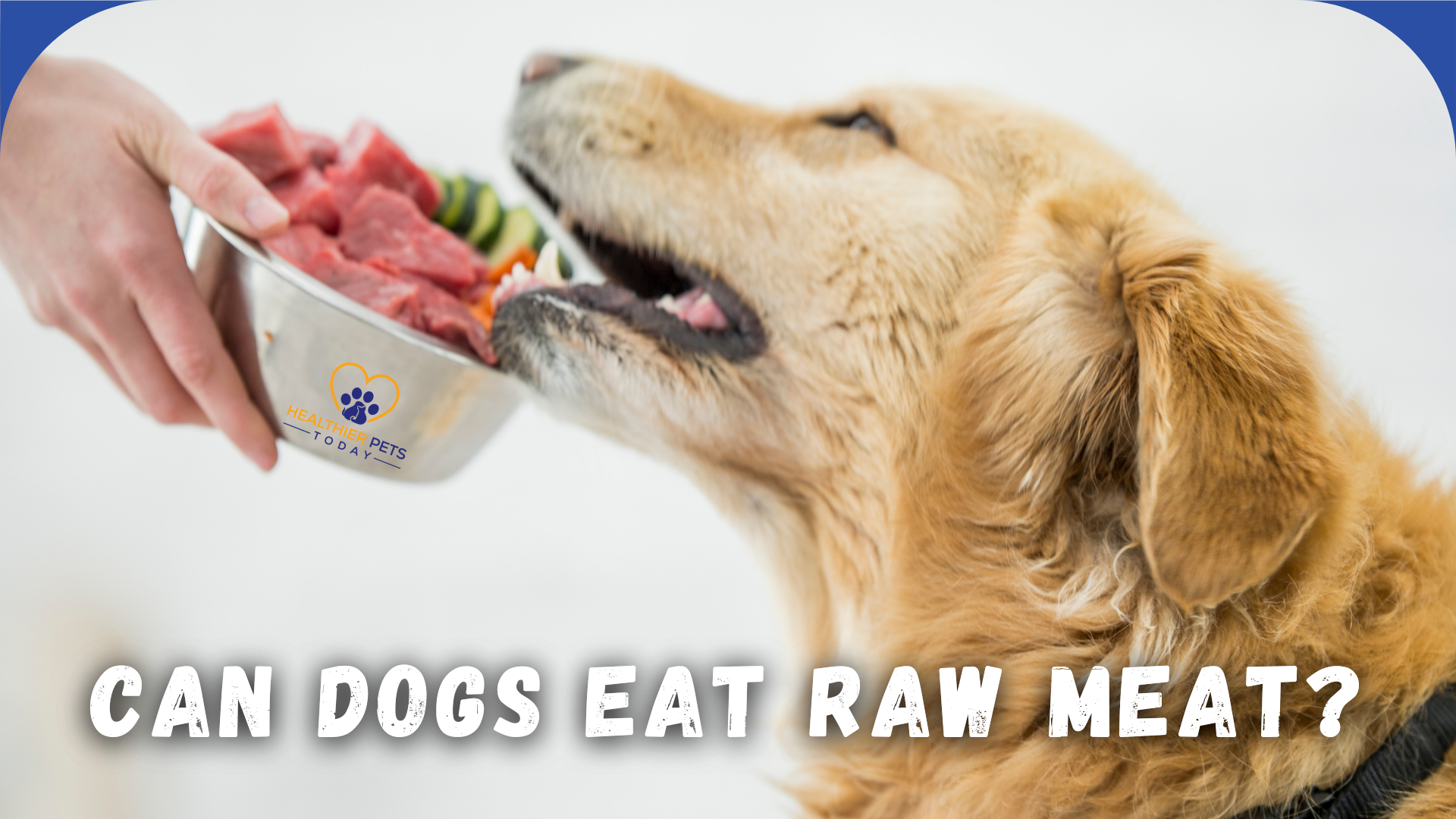
The question “can dogs eat raw meat?” has sparked passionate debates among dog owners and experts alike. Some swear by the benefits of a raw diet, claiming it leads to shinier coats, cleaner teeth, and boosted energy. Others warn of serious risks, including harmful bacteria, parasites, and long-term nutrient deficiencies.
Research shows that raw feeding isn’t a one-size-fits-all solution. While certain dogs may thrive on it, others could face avoidable health issues without proper planning and guidance. Understanding what science actually says is key to making safe, informed choices. So, let’s get started!
What Are the Risks of Raw Meat?
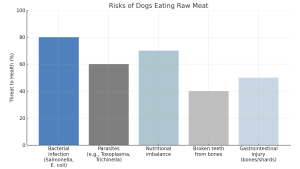
Raw meat can pose serious threats to your dog’s health and your family’s safety. Bacteria like Salmonella and E. coli flourish in uncooked meat, risking illness. Raw diets may also lack key nutrients, leading to deficiencies over time.
Can dogs eat raw meat without risks? Studies show improper handling or unbalanced diets heighten risks, potentially triggering digestive upset or chronic health concerns. Safe feeding and vet advice are crucial for your dog’s well-being.
Signs Your Dog Might Be Sick from Raw Meat
Raw meat can sicken your dog if mishandled, undermining your efforts to keep them thriving. Spotting symptoms early helps you act fast. Many owners wonder if dogs can safely eat raw meat. Monitor your dog’s health and behavior after feeding to confirm their diet is safe, protecting their vitality.
The signs your dog might be sick from raw meat include:
- Vomiting: Raw meat with bacteria like Salmonella sparks vomiting, often within hours. This signals digestive distress.
- Runny Stools: Contaminated meat causes loose, watery diarrhea. This can lead to dehydration if not addressed promptly.
- Sluggishness: Spoiled meat can cause dogs to become tired or less playful. This suggests an infection or nutrient deficiency.
- Fever: Bacterial infections from raw meat raise body temperature. This demands immediate care.
- No Appetite: Dogs may refuse to eat after consuming tainted meat. This suggests illness or stomach upset.
The Benefits of Raw Meat for Dogs
Are you wondering if dogs can eat raw meat for health perks? With proper balance, raw diets may boost your dog’s vitality. But always consult a veterinarian to ensure safety.
The benefits of raw meat are:
- Glossy Fur: Raw meat’s natural oils promote a shiny, healthy coat. This enhances your dog’s look and skin health.
- Boundless Energy: Nutrient-rich raw meat fuels playfulness and stamina. Balanced diets spark lively, active dogs.
- Smoother Digestion: Raw meat suits some dogs’ stomachs better. Proper balance minimizes digestive woes and discomfort.
- Cleaner Teeth: Chewing raw bones naturally polishes teeth, which helps curb plaque and boost dental health.
- Healthy Weight: Lean raw meat aids weight control. This keeps your dog agile, fit, and full of energy.
- Stronger Muscles: High-protein raw meat supports muscle growth. This promotes strength and mobility in active dogs.
- Enhanced Immunity: Consuming nutrient-dense raw meat may help bolster immunity. Balanced diets help dogs fight infections better.
Common Mistakes in Feeding Raw Meat
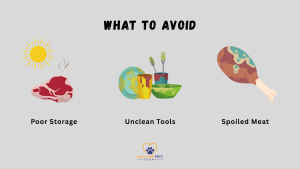
Errors in handling raw meat can harm your dog, undermining the thoughtful care you provide. Avoiding these missteps when considering whether dogs can eat raw meat or not ensures a safe and nourishing diet, helping your pup thrive.
The common mistakes in raw meat feeding are:
- Poor Storage: Raw meat left above 40°F for over 2 hours can breed germs, posing a risk to your dog’s health [fsis.usda.gov].
- Unclean Tools: Dirty knives or bowls spread bacteria, tainting meat and harming your dog.
- Spoiled Meat: Expired meat harbors bacteria, causing vomiting or worse in dogs.
- Nutrient Shortfalls: Raw meat alone lacks vitamins, leading to deficiencies over time.
- Ignoring Experts: Skipping veterinary advice can lead to nutritional gaps when feeding raw meat.
How to Feed Your Dog Raw Meat Safely
Your devotion to your dog’s health drives every feeding decision. Curious about dogs eating raw meat safely?
These seven steps make it possible:
Pick Top-Notch Meat
High-quality meat lowers risks for your pup. Choose lean cuts, such as chicken or beef, from trusted butchers. Should dogs eat raw meat at all? Cooking to 165°F zaps bacteria, keeping meals safe [petmd.com]. Always check the freshness of meat to ensure your dog’s health remains strong.
Discover Commercial Diets
Balanced commercial foods suit busy pet parents. Curious about fresh dog food brands to nourish your pup? Look for nutrient-rich diets with clear ingredients. These provide vitamins and raw meat, ensuring your dog’s meals are complete and safe.
Learn About Raw Feeding
Raw diets echo ancestral eating but demand care. Ready to explore a raw food diet for your dog? This includes uncooked meat, bones, and organs for natural nutrition. Veterinary guidance ensures a nutrient balance, keeping your dog active and healthy.
Craft Homemade Meals
Balanced homemade raw meals can shine with effort. Want to try raw dog food recipes for your pup? Combine ground meat with veggies and supplements like eggshells. This creates safe, nutrient-packed meals tailored to your dog’s needs.
Ensure Nutritional Balance
Complete nutrition fuels your dog’s growth and development. Wondering what makes a solid dog diet? Blend proteins, fats, and carbs in the right amounts. Supplement raw meat with veggies to avoid deficiencies, ensuring your dog stays healthy and happy.
Raw Meat For Feline Friends
If you have cats, their diets differ. Curious about a raw cat food diet for your feline? High-protein foods, such as fish or chicken, rich in taurine, are vital. Vet advice ensures balance, meeting cats’ unique needs safely.
Handle Meat with Care
Safe prep cuts risks in raw feeding. Approximately 70% of raw meat contains bacteria, according to studies [pmc.ncbi.nlm.nih.gov]. Interested in raw food recipes for your dog? Use sanitized tools, cook to an internal temperature of 165°F, and store at 40°F for optimal safety.
Slow Down Fast Eating
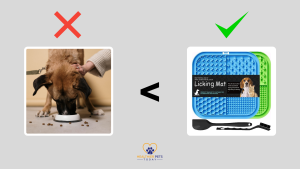
Gulping raw meat or food too quickly endangers your dog, especially with raw diets. Swallowing large chunks of meat or bones risks choking or throat injuries. Fast eating can cause vomiting, stomach upset, or even gastric dilation, a life-threatening condition where the stomach twists. Rapid consumption may also lead to poor nutrient absorption, which can impact overall health.
Spreading food on a licking mat extends mealtime, reducing these risks. The Lesipee Licking Mat from Healthier Pets Today slows eating, promoting safer digestion.
Conclusion: Can You Feed Your Dog Safely?
Feeding raw meat can be safe when done with care, research, and attention to a dog’s individual needs. So, can dogs eat raw meat without risk? In some cases, yes, but it depends on factors like diet balance, food handling, and ongoing health monitoring.
Cooking meat or opting for quality commercial diets can also meet nutritional needs while lowering health concerns. Always consult a vet before making major dietary changes.
Providing a safe, nourishing diet shows real commitment, and it plays a big role in helping dogs live healthier, happier lives!
Our articles are researched, edited and regularly reviewed. Sources and references supplied in the article remain part of the published content.


