
You may have heard the saying, “A dog’s mouth is cleaner than a human’s,” but is this claim really true, or is it just a myth? Understanding the differences between human and dog oral hygiene is essential when it comes to this well-known phrase. But dogs and humans have unique mouths, making the idea of being inherently “cleaner” not as straightforward.
So, let’s take a closer look and see: are dog mouths really cleaner than humans?
Table of Contents
Understanding Oral Hygiene: Humans vs. Dogs
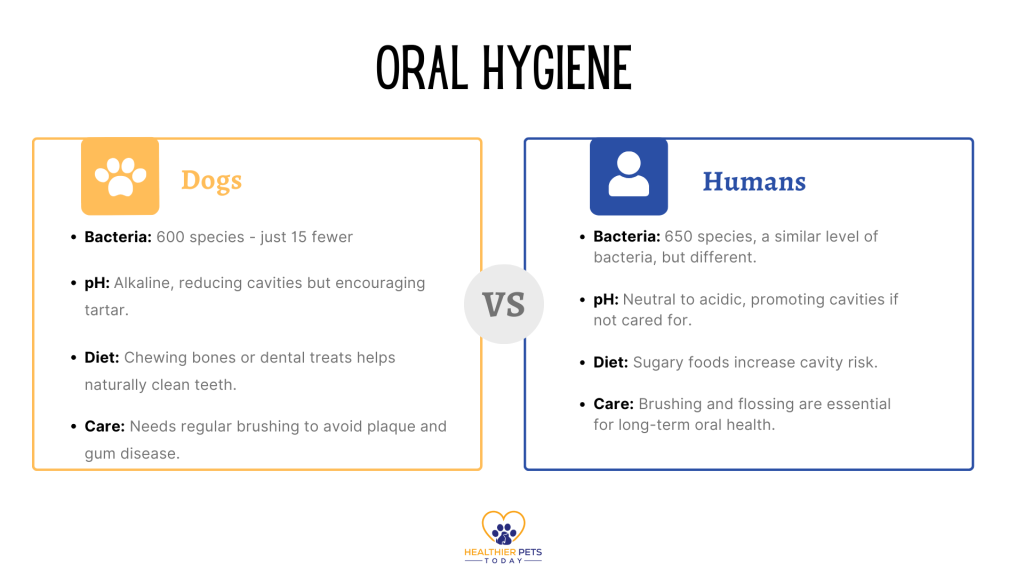
The amount of bacteria in a dog’s mouth is not that far off from a human’s. Dogs typically have 600 different species of bacteria in their mouths, while humans host about 615 species. Isn’t that crazy?
However, it is important to note that the number of bacteria doesn’t necessarily indicate cleanliness – what matters is their type and impact. Let’s explore how canine oral hygiene differs from that of humans.
Bacteria in the Mouth
Both dogs and humans have many bacteria in their mouths. Examples include Actinomyces, Streptococcus, and Fusobacterium. These bacteria can contribute to plaque formation and even dental diseases if left unchecked.
This leads to the question: Is a dogs mouth cleaner than a humans? While we can compare the two, one is not inherently cleaner than the other.
Oral Environments
Both species benefit from regular dental care, which helps prevent harmful bacteria from causing diseases like gingivitis and periodontal disease. However, the way these bacteria impact health can differ, and so do the cleaning routines. For dogs, brushing should begin in puppyhood to establish a habit early on (The Vet Dentists). Always use dog-specific toothpaste and a suitable toothbrush, as human toothpaste can contain harmful ingredients like xylitol. This ingredient can not only affect their blood sugar but also cause liver issues.
Canine Teeth Dog Myths and Facts
You may have heard a few common myths about dog saliva and oral hygiene. Let’s clarify some of these misconceptions down below!
- “Dog Saliva Is Antibacterial”
While dog saliva does contain some antibacterial properties, it doesn’t have magical healing powers. Dogs may lick their wounds to clean them, but saliva alone isn’t enough to heal injuries. - “A Dog’s Mouth Is Cleaner Than a Human’s”
The bacteria in a dog’s mouth differ from those in a human’s, but that doesn’t mean it’s cleaner. Both species have a variety of germs that can potentially cause health issues if oral hygiene is neglected.
The Importance of Canine Dental Health
A dog’s dental health reflects its overall well-being. Poor oral hygiene can lead to significant health problems, such as dental disease and systemic issues, affecting the heart, liver, and kidneys.
The most common dental issues in dogs include:
- Gingivitis: Inflammation of the gums, often the first stage of periodontal disease. Luckily, It can be reversed with proper care.
- Periodontal Disease: A condition affecting the tissues surrounding the teeth, potentially leading to tooth loss.
- Tartar and Plaque Buildup: Plaque can form just minutes after brushing, and when it’s left untreated, it hardens into tartar. This requires professional cleaning, which can be costly.
- Tooth Fractures: This can involve damage to the tooth’s pulp, where nerves and blood vessels reside.
- Malocclusions: Misalignment of canine teeth and jaws may cause discomfort or injury to other oral tissues.
How Diets Affect Your Dog’s Oral Health
Did you know that a dog’s diet can affect their health? Certain foods, like dry food, can prevent dental issues like plaque buildup and tartar (PetMD). But doggies that eat soft or sticky food can experience quite the opposite – these foods are harder to clean from the teeth.
Some dog food brands are designed to prevent tartar build-up, and others include added enzymes that support healthy gums and teeth. Dental treats or chews can be another great addition to their diet as they improve oral health by cleaning teeth naturally.
Hydration is an important part of any dog’s diet. Drinking water washes away bacteria and food particles from their mouth. When you are on the go, a portable water bottle can be a handy tool to have.
Why Regular Dental Care for Dogs Is Crucial

Without routine dental care, harmful bacteria in your dog’s mouth can spread to other organs, potentially leading to serious health problems. Regular brushing, professional cleanings, and dental products designed for dogs can help keep your pet’s mouth healthy.
Best Cleaning Tips
Did you know that cleaning your dog’s teeth doesn’t have to include brushing? Although it’s the best way to prevent plaque, other options can help you maintain your canine’s teeth. Let’s take a look at each!
Brushing Your Dog’s Teeth
Brushing helps to prevent plaque buildup. So, aim to brush as often as possible, ideally daily, using dog-specific toothbrushes and toothpaste. This way, we avoid other issues!
Alternatives to Brushing
Many dogs run away or make it incredibly difficult for owners to brush their teeth. If you are one of these owners – don’t give up hope. There are other options to keep your furry friend’s mouth clean.
These options include:
- Dental Sprays: Available at pet stores, these sprays freshen breath and contain enzymes that help break down plaque.
- Dental Rinses: Rinses with natural antibacterial ingredients can reduce plaque and tartar.
- Gels: Coating your dog’s teeth with dental gels can help clean their mouth.
- Dog Toothpaste: Apply directly using your finger for a quick cleaning.
- Coconut Oil: A natural option known for its antibacterial properties.
Warning Signs of Dental Problems in Dogs
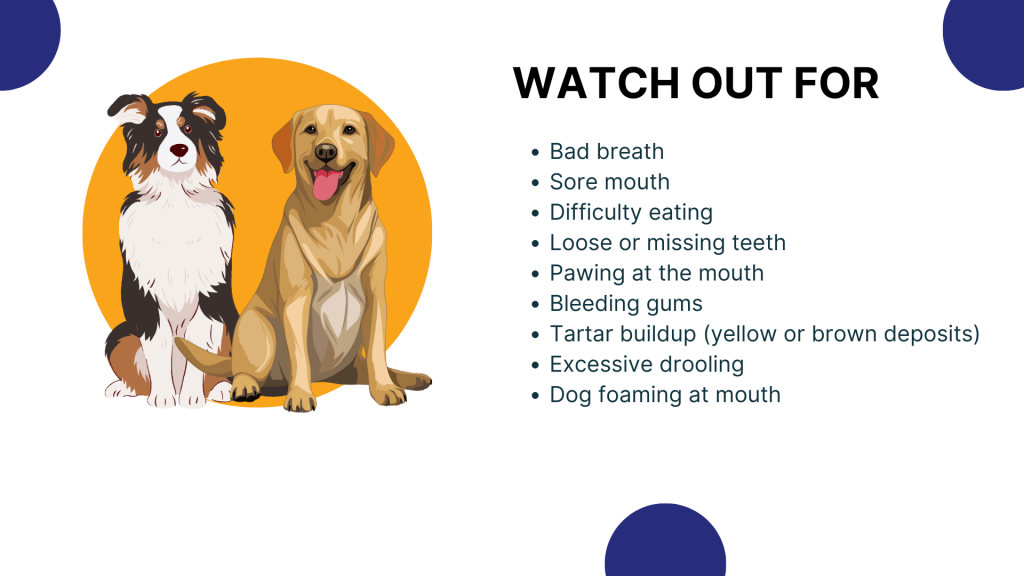
- Bad breath
- Sore mouth
- Difficulty eating
- Loose or missing teeth
- Pawing at the mouth
- Bleeding gums
- Tartar buildup (yellow or brown deposits)
- Excessive drooling
- Dog foaming at mouth
If you notice any of these warning signs, schedule a veterinary visit so that the vet can assess the severity of the issue and recommend a treatment option. Adjusting your dog’s oral hygiene routine can reduce bacteria and plaque buildup and ensure this is not a frequent occurrence.
Factors Contributing to Dental Health Problems in Dogs
Several factors can increase the risk of dental disease.
Here is a breakdown of each:
- Age: Older dogs are more susceptible.
- Breed: Small breeds often have crowded or misaligned teeth.
- Diet: Sticky foods can speed up plaque accumulation.
Dental Products to Improve Your Dog’s Oral Health
Conclusion: Are Dogs Mouths Cleaner than Humans?
The answer is no. Humans might have more bacteria, but that doesn’t determine the cleanliness of a mouth. Dog dental hygiene is just as important as that of humans. This is because dogs can experience decay, gum disease, and other oral health issues that can cause serious health issues.
Owners should schedule regular dental checkups, brush their dogs’ teeth, and use products that help keep dogs’ mouths clean. This will not only improve their well-being but also their quality of life.
FAQ’s on Dog Mouths
What animal has the cleanest mouth?
Experts suggest that ant-eating animals like aardvarks have the cleanest mouths because of their diet. However, cats seem to have fewer bacteria in their mouths than dogs because of their meat-only diet.
Is a dog’s mouth cleaner than a human’s mouth?
No, a dog’s mouth is not cleaner than a human mouth. Humans and dogs have a similar amount of bacteria in their mouths. But the type of bacteria differs! Both species can develop dental issues if oral hygiene is neglected.
Are dogs mouths cleaner than cats?
No, dogs don’t have cleaner mouths than cats. Cats actually have a few bacteria in their mouths, but it’s important to remember that they can still experience oral health problems like periodontal disease.
Is bad breath a sign of dog mouth cancer?
While bad breath can indicate a serious health issue, it’s not necessarily mouth cancer. Most dental problems include gingivitis and periodontal disease.
If your canine has a persistent foul-smelling breath, consult a veterinarian.
This article was written, and is sponsored by MotherTyper, a South African Digital Marketing and Social Media Marketing Agency.
Our articles are researched, edited and regularly reviewed. Sources and references supplied in the article remain part of the published content.


