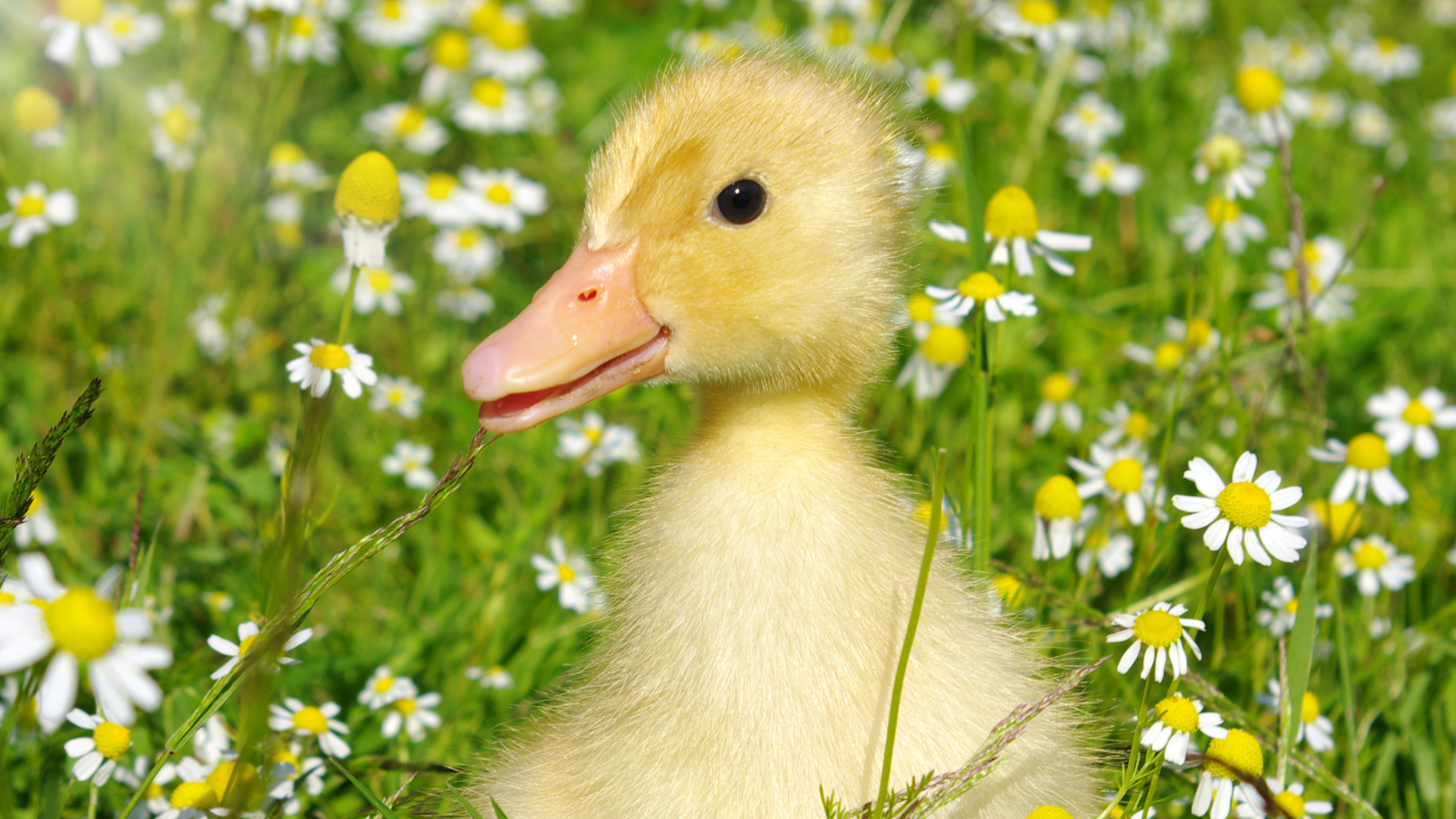
Baby ducks are one of the cutest creatures, but before diving headfirst into it all, there are a few things you need to know. They are more to them than just their cute quacks. Beyond all the fussy exterior is a pile of responsibilities and considerations that are often overlooked. So here’s the scoop on raising baby ducks, including the joys, the challenges and what you need for these little waddlers to thrive.
The Realities of Raising Baby Ducks

Baby ducks need a lot of commitment. These animals are social animals and thrive in pairs. This means that adopting just one may not be the best choice. They need endless amounts of attention, proper care along with a safe environment.
What Do Baby Ducks Eat?
Baby ducks need a very specific diet to grow into healthy and strong adults. Their primary source of food should be high-quality starter feed that is formulated for waterfowl. They are typically higher in protein compared to chicken feed. But their diet doesn’t have to solely consist of commercial feed.
Here are some examples of what you can feed them:
- Lettuce
- Spinach
- Kale
Although a lot of people feed ducks bread that should be avoided because it can lead to health issues. Rather offer them some vegetables and fruits as treats. Clean water is crucial to their diet as it aids in digestion and maintains their overall health.
The Mess Factor: Ducks and Cleanliness

One thing that doesn’t get discussed often is how Missy these animals can be. They love to splash around and are quite a bit of a mess. But who wouldn’t sacrifice a little messiness for such a cute animal? The reality is that their living area should be teamed regularly. This is to prevent orders and maintain hygiene.
Raising baby ducks it’s like having a baby, they thrive on routine especially when it comes to cleaning. Owners should consider bedding materials that help absorb moisture as it helps with cleanliness and keeps your ducks happy and healthy.
Space and Environment Needs
Ducks need enough space so that they can roam swim and even forage. Make sure that outdoor space is big enough for these animals to thrive in. An ideal environment for decks would be a secure outdoor pen that has access to a small pool or water source. This is not only because they love swimming but also because water is crucial for their well-being.
Individuals that live in an apartment and doesn’t have access to a yard, should opt for another pet. Because these animals need to move around to be both happy and healthy.
Health Considerations for Baby Ducks

Baby ducks can have a number of health issues. The most common include respiratory problems and infections which significantly affects their health. Healthy ducks require a clean environment, balanced diet and regular veterinary checkups.
Keeping an eye out for certain behaviors is a part of the job description when owning a duck.
Here is what you need to look out for:
- Extreme tiredness
- Changes in eating habits
- Unusual droppings
If you notice any of the above mentioned signs make sure to consult a veterinarian that specializes in avian care because early detection can make the biggest difference in the outcome.
Socialization and Bonding with Baby Ducks
As aforementioned ducks are social animals which means that socialization is a vital part of earning one. Owner should spend time with these animals as it helps with development.
Socialization and bonding should look like this:
- Handling ducks gently
- Allowing interactions between birds
- Incorporating playtime outside
FAQs
How long do baby ducks stay small?
These animals grow quickly. After 7-8 weeks they will start to look more like adult ducks. But it will take many more months to reach their full growth depending on the breed.
What do baby ducks eat in the wild?
Their diet in the wild consists of insects, aquatic plants, small fish and algae. When they are older, they change to plants and grains.
Can baby ducklings survive without a heat lamp?
Newly hatched ducklings need a heat source for the first few weeks of their life. Their environment should be 90 degrees Fahrenheit in their first week.
How often should I clean their cages?
Hygiene is incredibly important when it comes to ducks. Their area should be cleaned daily to remove wet bidding, change the water and ensure that their environment is mould free and doesn’t have excessive moisture.
Can you raise a baby duck indoors?
Ducks can be raised indoors but there should only be temporary because they will need much more space when they grow bigger and they will need access to water for swimming. It’s not recommended to raise these animals indoors.
Conclusion

While baby ducks can bring joy into your life, they also come with a lot of responsibility. From their eating habits to messiness, these are all things you should know before heading to a pet shop or breeder.
Owners need to be fully prepared for this type of commitment. With the right care, these animals can bring a lot of love into homes. So, what is your verdict?
Our articles are researched, edited and regularly reviewed. Sources and references supplied in the article remain part of the published content.