Sheep can make great, entertaining, friendly pets that are full of character and fun to own. They are much more intelligent and interactive than you might think. Plus, baby sheep are cute! But there are a number of things that you should know before getting one. You’re in luck – this article has it all. Let’s start!
Table of Contents
What to Know Before Getting Baby Sheep
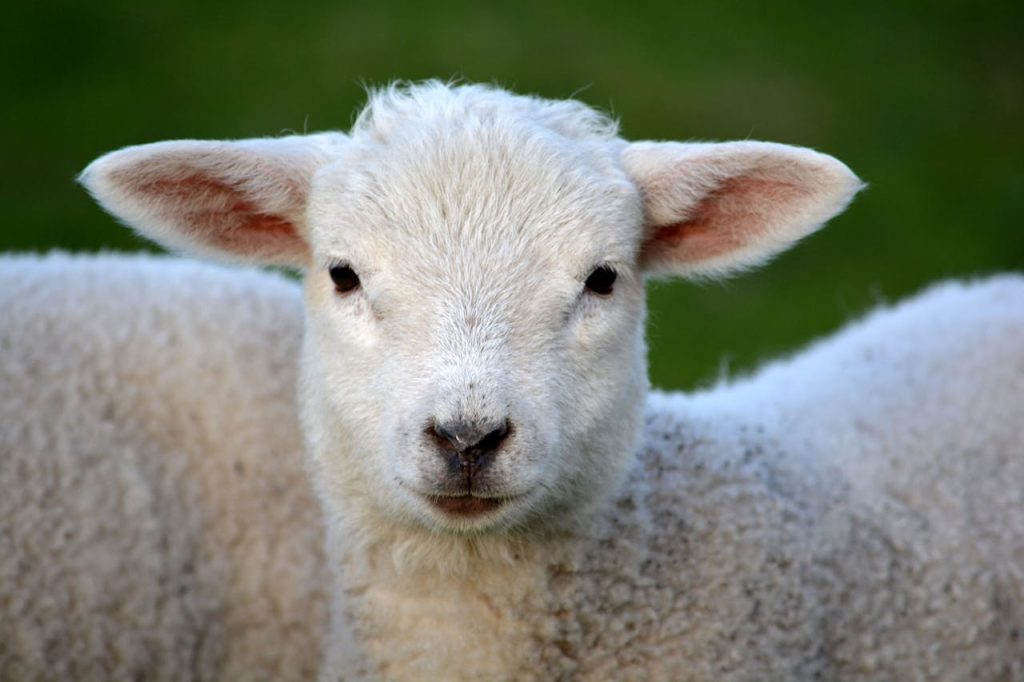
Before embarking on this journey, you must know what having a baby sheep for the first three months is like. If you leave the house for everyday tasks like shopping, taking the kids to school, and working, you might want to consider a few things. Below is what you need to know before getting a baby sheep.
Space and Shelter Requirements
Sheep require access to indoor living spaces to ensure their comfort and safety. The indoor space must consist of the following:
- Providing enough space for everyday activity and healthy social movement
- Provide appropriate traction and be accessible on the joints
- Being able to maintain a safe temperature and provide proper ventilation
- Protection from the elements throughout the year
Understanding Their Basic Needs (Food, Water, Care)
Sheep need freshwater 24/7 in a specific container to avoid contamination and keep the water clean. Now, for nutrition, sheep need milk, pasture, hay, pellets for a few weeks, and supplements to ensure that they get all the nutrients.
Sheep need to be fed small amounts daily, and this amount should be increased as they grow. Make sure that they are eating enough. Remember, it’s your responsibility!
How to Care for Baby Sheep
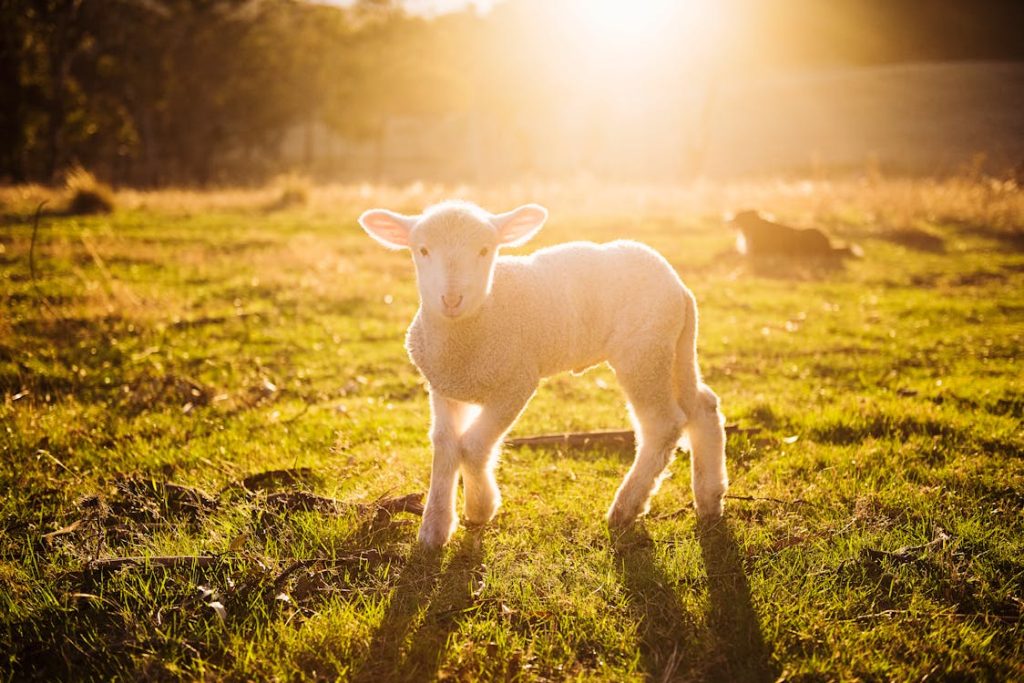
A young lamb must be fed milk until about 60 days old. They will start nibbling lamb ration pellets at about 30 days old. Listed below is everything you need to take care of a lamb.
Proper Feeding and Nutrition
The grain should be ground coarse or rolled, but whole grains can be used as the feeding period progresses. Small amounts of fresh, clean grain must be slowly introduced to the lambs’ diet, gradually increasing until the lambs are on full feed.
Health Check-Ups and Common Health Concerns
It’s recommended to manage routine health checks every six to eight weeks that must be done in conjunction with their daily observation. Before beginning individual health checks, it’s a good idea to take a few minutes to observe the group. Note their behaviour, activity level, and general appearance.
If they are lying down, record how they are positioned, whether or not they are chewing food matter that returns from the first stomach compartment back to the mouth for further chewing, and whether or not they are away from the flock or are the only ones lying down.
Grooming and Cleanliness
Introducing your lamb to a grooming brush from an early age is not just a task but a way to show your care. Making it a pleasurable experience will benefit you in the long run, but more importantly, it will ensure your lamb’s comfort. Just like dogs, lambs also enjoy the grooming parlour experience. Once the lamb has become accustomed to moving with a pack, they find comfort in being with them, and this is a win-win situation as you can take the lamb anywhere you take the pack.
How They Interact with Humans and Other Farm Animals
Sheep are very social animals. According to animal behaviourists, a group of five sheep is usually necessary for sheep to display normal flocking behaviour. A sheep will become highly aggressive if separated from the rest of the flock. While sheep are generally gentle and not aggressive animals, this is not necessarily the case with rams, especially during the breeding season (rut). Rams can be very aggressive and have been known to cause serious injuries, even death, which is why their environment is so important. The next section talks all about it!
Creating a Happy, Social Environment for Your Lambs
The goal of environment enrichment for sheep is to maximize activity while increasing species-specific positive behaviour and enhancing the animals’ well-being. The components of environmental enrichment for sheep include social housing, toys and food treats.
Benefits of Raising Baby Sheep
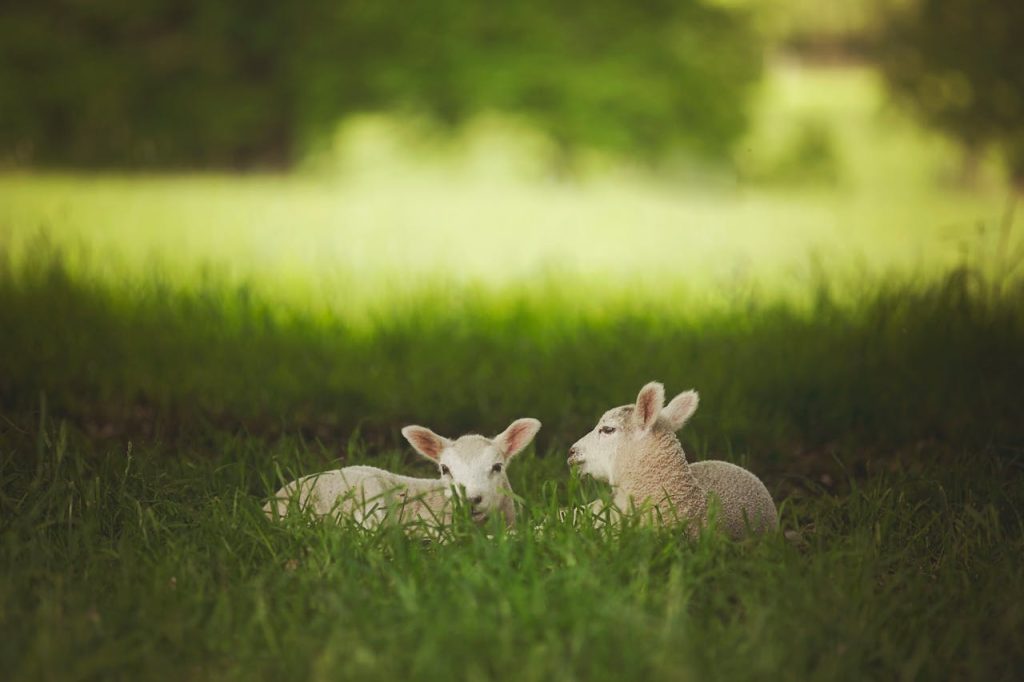
Baby sheep are usually kept as pets or companion animals, as they are valued for their tame nature and easy handling. Like any pet, the decision to keep sheep as pets shouldn’t be made impulsively. Learning as much as possible is important when deciding.
Challenges to Consider
The yard must be well-fenced to protect them from the area dogs, which often see sheep as big fluffy toys to chase and chew on. You will need dog-proof fencing to keep the dogs and other predators out. As others have mentioned, holding a sheep is unkind as they need a companion.
Conclusion
Sheep are beautiful animals and make great pets as long as they can still live their own sheep life. If you have the space, resources, and time to care for sheep properly, they can be rewarding and enjoyable pets. However, it’s essential to research specific breeds and their needs to ensure they fit nicely into your lifestyle.
Our articles are researched, edited and regularly reviewed. Sources and references supplied in the article remain part of the published content.