


Imagine you’re recovering from COVID-19, and your dog nudges their food bowl, looking at you with those trusting eyes. You might wonder, can dogs get COVID? With the pandemic still a reality, understanding how the virus affects your furry companion is crucial for their health and your peace of mind. Although the risk to dogs is low and most cases are mild, understanding how the virus spreads, recognizing the signs to watch for, and taking steps to keep your pet safe are essential.
This guide offers practical tips and insights to ensure your dog stays healthy, happy, and by your side.
Can Dogs Get COVID-19?
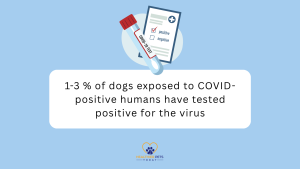

Yes, dogs can get COVID. Dogs can contract SARS-CoV-2, the virus causing COVID-19, but it’s rare. Research shows only about 1% of tested pets in households with COVID-19 cases test positive, highlighting the low risk. COVID in dogs typically causes mild symptoms or none, with most recovering quickly.
Dogs are less susceptible than cats or mink, with infections often linked to close contact with an infected owner. The virus doesn’t spread efficiently in dogs, resulting in minimal illness. So, can dogs get COVID and die of it? Fatalities are extremely rare, with most dogs making a full recovery. If you’re concerned about dogs getting COVID in your home, especially after exposure, consult your veterinarian for guidance.
How Do Dogs Get COVID-19?
Dogs can contract SARS-CoV-2 through close contact with an infected person, such as an owner coughing nearby. Can dogs get sick from humans? Yes, but the risk is low. Studies indicate that 80% of dog infections stem from human-to-pet transmission, often via respiratory droplets or contaminated surfaces like toys or bedding. For example, petting your dog with unwashed hands after being sick could expose them to illness.
Dogs rarely spread the virus to other dogs or humans. To reduce the chance of your dogs getting COVID, wash your hands thoroughly before and after handling your dog, avoid face-to-face contact if you’re ill, and clean shared items frequently. If you’ve been in public, keep your dog away from outer clothing, like coats, until you’ve showered. These habits safeguard your pet’s health.
What Are the COVID Symptoms in Dogs?
If your dog contracts COVID-19, COVID symptoms in dogs are usually mild, often resembling other respiratory or digestive issues. Over 70% of infected dogs show no symptoms, making vigilance key [pmc.ncbi.nlm.nih.gov].
Look for:
- Coughing or sneezing
- Difficulty breathing
- Lethargy or low energy
- Runny nose or discharge
- Vomiting or diarrhea
- Loss of appetite
These signs may also indicate conditions such as kennel cough or allergies. Use a thermometer to check for fever (normal dog temperature: 101-102.5°F) and track eating or activity changes. Contact your veterinarian if symptoms persist or worsen, as a PCR test may be necessary to confirm the infection.
What to Do If You Have COVID-19 and Own a Dog
If you test positive for COVID-19, act quickly to protect your dog from catching the virus.
Experts suggest:
- Limit Contact: Avoid petting, cuddling, or sharing food with the animal. Ask a household member to handle feeding or walking.
- Wash Hands: Clean your hands thoroughly before touching your dog’s items. Wear a mask during close contact.
- Separate Spaces: Keep your dog in a different room while you’re symptomatic to avoid respiratory droplet exposure.
- Clean Frequently: Use pet-safe disinfectants on bowls, toys, and bedding to prevent contamination.
If you’re alone, wear gloves when preparing food or cleaning, and minimize direct contact. An automatic feeder or water dispenser can reduce the need for manual handling. These steps help ensure your dog stays healthy while you recover.
What to Do If Your Dog Tests Positive for COVID-19
If your veterinarian confirms your dog has COVID-19, stay calm; most cases are mild.
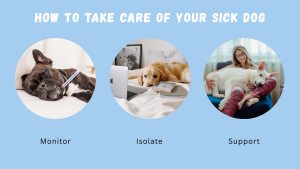
Follow these steps to care for sick dogs:
Monitor Symptoms
Track symptoms like coughing or lethargy in a journal, noting behavior or energy shifts. Mild cases often resolve within days without treatment. Provide calming care for dogs in a quiet space, with fresh water and nutritious food. If symptoms worsen, like severe breathing issues or persistent vomiting, contact your veterinarian immediately. They may recommend fluids or anti-inflammatory medication.
Isolate Your Dog
Keep your dog at home, away from other pets and people, to minimize the spread, although dog-to-human transmission is unlikely. Avoid dog parks, grooming, or boarding until your veterinarian clears them for your pet. Experts recommend isolating for 14 days or until symptoms resolve and a follow-up test is negative [cdc.gov]. Use separate bowls and toys to prevent cross-contamination.
When to End Isolation
End isolation when your dog is symptom-free for 72 hours without medication or after a negative PCR test, as advised by your veterinarian. Ensure they’re eating well and active before resuming walks or playtime with other dogs.
Support Comfort
Create a relaxing environment to aid recovery. For restless dogs, a vet-approved sleep aid for dogs, like a calming supplement, may help, but consult your veterinarian first. Offer familiar toys, a cozy bed, and a steady routine for calming care for dogs to ease anxiety. Keep their space clean and airy to support healing.
How to Prevent COVID-19 in Dogs
To address concerns about your dog and COVID, adopt these ongoing prevention strategies:
- Clean Regularly: Wash your hands before and after handling your dog or their items. Clean bowls, toys, and bedding at least once a week with pet-safe disinfectants.
- Reduce Contact: If you’re sick, avoid close interactions like face-licking or bed-sharing. In quarantine, consider boarding your dog with a healthy caregiver if feasible.
- Stay Informed: Keep up with the latest pet care guidelines, as knowledge about the question, Can dogs get sick from COVID-19? Evolves.
- Get Vaccinated: Vaccination reduces the risk of your pet contracting the virus.
- Regular Vet Checkups: Routine visits catch health issues early. Discuss risks, especially in high-transmission areas.
For high-risk households, such as those with healthcare workers, shower and change clothes before interacting with pets. Store work items, like scrubs, away from your dog’s space.
How to Support Your Dog’s Health During a Pandemic
Beyond preventing COVID-19, nurturing your dog’s overall health builds resilience.
Try these tips:
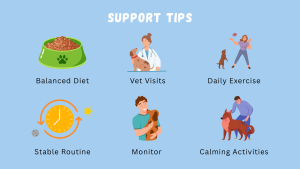
- Boost Your Dog’s Immunity: Feed a balanced diet tailored to your dog’s age and specific needs. Consult your veterinarian about safe supplements, like omega-3s or probiotics, and avoid unapproved products. For example, adding vet-recommended fish oil to their food can support immune health.
- Reduce Stress: Pandemics can disrupt routines, causing anxiety. Maintain consistent feeding, walking, and play schedules to ensure a stable routine. Engage in calming activities, such as gentle brushing or playing with puzzle toys. A 15-minute game with a favorite squeaky toy can lift their spirits.
- Encourage Activity: Engaging in daily exercise, such as a 30-minute walk or indoor fetch, supports both mental and physical well-being. Try DIY indoor games, such as hiding treats in a cardboard box, to keep your dog active when outdoor time is limited.
- Consult with Your Veterinarian: Schedule telehealth or in-person visits to address your concerns. Ask about testing if your dog shows symptoms post-exposure. Keep a health log for precise advice.
- Monitor Behavior: Watch for changes in appetite, energy, or mood, which may signal stress or illness. Early detection ensures timely care for COVID-19 or other issues.
These habits keep your dog thriving, even in challenging times.
Can Dogs Spread COVID-19 to Humans or Other Pets?
Dogs are unlikely to spread SARS-CoV-2 to humans or other pets. While dogs can contract COVID-19, dog-to-human transmission is not a major concern [cdc.gov]. Dog-to-dog spread is also rare, requiring prolonged close contact. In multi-pet households, isolate a COVID-positive dog, using separate bowls and toys until recovery. Store other pets’ items separately to avoid cross-contamination. These precautions ensure the safety of all your pets.
Conclusion: Keeping Your Dog Safe During COVID-19
Many owners have wondered, can dogs get COVID? And the answer is yes, but the risk is low, and serious cases are rare. By watching for COVID symptoms in dogs, keeping up with hygiene, and consulting your veterinarian, you can protect your furry friend. Whether limiting contact when you’re sick or providing calming care for dogs during recovery, your efforts matter.
Keep your sick pup comfortable while they get back to their cheerful self. The Orthopedic Sofa Dog Bed or Luxury Pet Cave Bed from Healthier Pets Today supply store is a perfect option!
FAQs
Can Dogs Get COVID from Their Owners?
Yes, dogs can contract COVID-19 from their owners through close contact, such as coughing, but the risk is low. Wash your hands and limit contact if you’re sick.
Can Dogs Get Sick from COVID-19?
Yes, dogs can get sick, but symptoms like coughing are typically mild. Severe cases are rare.
What Are the COVID Symptoms in Dogs?
COVID symptoms in dogs include coughing, sneezing, lethargy, or diarrhea. Many dogs show no signs.
Can Dogs Get COVID and Die?
Can dogs get COVID and die? Fatalities are extremely rare, with most dogs recovering fully from the condition.
Can Dogs Catch COVID from Humans?
Yes, through droplets or surfaces, but it’s uncommon.
How Can I Provide Calming Care for Dogs with COVID-19?
Offer calming care for dogs with a quiet space and familiar toys. Ask your vet about safe supplements.
Are There Sleep Aids for Dogs with COVID-19?
A vet-approved sleep aid for dogs may ease restlessness, but consult your veterinarian first.
How Do I Care for Sick Dogs with COVID-19?
For sick dogs, monitor their symptoms, isolate them, provide hydration, and follow the veterinarian’s advice.
Is Testing Available for COVID-19 in Dogs?
PCR tests are available through veterinarians if symptoms appear post-exposure.
Does My Vaccination Protect My Dog?
Your vaccination lowers the risk of passing COVID-19 to your dog, offering indirect protection.