

A peanut falls on the floor, and your dog gets to it before you do. Can dogs have peanuts? Do you need to worry? In most cases, one plain peanut isn’t the problem, but what was on it, how it was prepared, and how many your dog ate can change the answer.
The same goes for the peanut products we regularly keep at home. Something that looks harmless to us may have added salt, flavorings, or other ingredients you wouldn’t want your dog eating.
That doesn’t mean peanuts are off the menu completely. Here’s what you need to know before sharing them, and what to check on that peanut butter jar while you’re at it.
Key Takeaways
- Dogs can eat plain, unsalted peanuts in small amounts, but avoid salted, flavored, coated, and in-shell peanuts.
- Always check the peanut butter label before sharing it with your dog. Xylitol, also called birch sugar, is highly toxic to dogs and should be avoided completely.
- The simpler the ingredient list, the better. Peanut butter made primarily from peanuts is preferable to products with unnecessary sugar, salt, oils, sweeteners, or flavorings.
- Peanut butter should stay an occasional treat. It is high in fat and calories, and the right portion depends on your dog’s size, weight, health, and overall calorie needs.
- If your dog eats peanut butter containing xylitol, contact a veterinarian or animal poison service immediately. Keep the packaging so you can provide the ingredients, amount eaten, time of ingestion, and your dog’s weight.
Can dogs have peanuts?
Yes, dogs can have plain, unsalted, dry- or roasted peanuts in small amounts as an occasional treat. Peanuts are high in fat, so too many may cause digestive issues or contribute to weight gain. Avoid salted, flavored, coated, or in-shell peanuts, which can pose additional health or choking hazards. r
Not Every Peanut in the Pantry Is Dog-Friendly
The type of peanut you give your dog matters. Plain, dry-roasted peanuts are generally the safest choice because they contain no added salt or sugar. Raw peanuts can also be offered occasionally if they’re plain and properly prepared.
Salted peanuts are less suitable because dogs don’t need the extra sodium. Honey-roasted peanuts add sugar and often other ingredients, making them a poor and unhealthy everyday treat. Flavored or seasoned varieties may contain excessive salt, spices, or other ingredients that can upset your dog’s stomach or be harmful.
Peanuts that are still in the shell should be avoided because the shells can be difficult to digest and may be a choking hazard or create an intestinal blockage.
The Problem With Peanut Shells
Peanut shells may seem harmless, but they aren’t a suitable treat for dogs. The tough, fibrous shells can be difficult to chew and digest, creating a choking hazard or, if swallowed, potentially causing an intestinal blockage.
If your dog steals a peanut that is still in its shell, don’t panic. Remove any remaining shells and keep an eye on your dog. If they swallow a large amount or develop vomiting, abdominal pain, loss of appetite, lethargy, or difficulty passing stool, contact your veterinarian promptly.
Can dogs have peanut butter?
Yes, dogs can have peanut butter in small amounts, but check the ingredient label first. Most importantly, avoid products containing xylitol (also called birch sugar), which is highly toxic to dogs. Even peanut butter made with dog-safe ingredients should be an occasional treat because it’s high in fat and calories.
Check the Jar Before You Let Your Dog Lick the Spoon
Before giving your dog peanut butter, check the jar first. Use the “Can My Dog Have This Peanut Butter?” Label Checker to quickly review the ingredient list and spot ingredients that may be unsafe. Save it for future use, so you can check every new jar before your dog gets a lick.
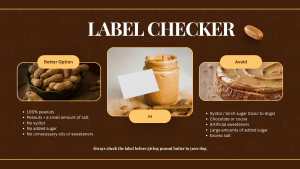
What peanut butter can dogs have?
Choose peanut butter with a simple ingredient list, ideally peanuts with little or no added salt or sugar. Always check for xylitol (birch sugar) and avoid it completely. Also skip products containing chocolate, salt, or other potentially harmful additives.
What a Dog-Friendly Ingredient List Actually Looks Like
When comparing peanut butter for your dog, don’t just look at the front of the jar. Turn it around and compare the ingredient lists.
Simpler choice:
- Peanuts
- This is the easiest option to assess because it contains just one ingredient. If you are choosing between two products, this would generally be preferable to one with several unnecessary ingredients.
Ingredients that need a closer look:
- Sugar, salt, added oils
- This doesn’t automatically mean the product is suitable or unsuitable. Instead, look at what the added ingredients are and how much your dog would be eating. Sugar, excess salt and added oils are unnecessary for dogs, so a simpler alternative would usually be the better choice.
Never choose these ingredients:
- Xylitol/ birch sugar
- If you see xylitol or birch sugar on the ingredient list, do not give the product to your dog. Xylitol is highly toxic to dogs and can cause a dangerous drop in blood sugar and other serious effects.
“Natural” Doesn’t Automatically Mean Dog-Safe
“Natural” or “healthy” on the front of a jar doesn’t guarantee it’s safe for dogs. Always turn the jar around and check the ingredient list for added sugar, salt, oils, and especially xylitol (birch sugar). The ingredients matter more than the marketing claims.
Can dogs have crunchy peanut butter?
Yes, dogs can have crunchy peanut butter if the ingredients are dog-safe. Texture matters less than what’s in the jar. Choose peanut butter without xylitol (birch sugar), excessive salt, added sugar, or unnecessary oils. For small dogs or those that gulp food, smooth peanut butter may be easier and safer to swallow.
Smooth vs. Crunchy Isn’t the Most Important Choice
Whether peanut butter is smooth or crunchy is less important than what is actually in the jar. First, check the ingredients and avoid xylitol, excessive salt, and added sugar. Next, consider portion size because peanut butter is high in fat and calories. Finally, think about how you’ll serve it. A small amount as an occasional treat or spread inside a toy is different from giving your dog large spoonfuls regularly.
How much peanut butter can a dog have?
Peanut butter should be an occasional treat, not a meaningful part of your dog’s diet. The appropriate amount depends on your dog’s size, weight, health, and overall calorie needs. Rather than guessing, ask your veterinarian for a suitable portion. Always account for peanut butter as part of your dog’s daily treats and calories
Why a Spoonful Isn’t the Same for Every Dog
A spoonful of peanut butter can be a small treat for one dog but a significant amount of calories for another. The right portion depends on your dog’s size, weight, daily calorie needs, and how many other treats they have had that day. Health considerations can also affect what is appropriate, so portions should be based on your dog’s individual needs rather than a standard spoonful.
Peanut Butter Calories Add Up Faster Than You Think
Peanut butter is high in fat and calories, so even small amounts can add up when given regularly. This is especially important when using it for medication, training rewards, lick mats, or stuffed toys, where your dog may receive it several times a day. Keep portions controlled and remember to count peanut butter as part of your dog’s daily treat intake.
Here are 10 dog-friendly treats you can make at home, all with a Christmas theme.
Can dogs have peanut allergies?
Yes, dogs can have reactions to peanuts, although food allergies are less common in dogs than humans. Watch for signs such as itching, red or irritated skin, ear problems, vomiting, or diarrhea after eating peanut products. If symptoms are mild or recurring, speak with your veterinarian. Breathing difficulties, facial swelling, or collapse require urgent veterinary attention.
Watch Your Dog the First Time They Try Peanuts
When introducing peanuts or peanut butter, start with a small amount rather than a full serving. Avoid introducing other new foods at the same time, so you can identify what may have caused a reaction. Watch your dog afterward for changes such as itching, vomiting, diarrhea, or skin irritation. Stop feeding them peanuts if a reaction occurs.
Know the Difference Between an Allergy and an Upset Stomach
Vomiting or diarrhea after eating peanuts does not automatically mean your dog has a peanut allergy [webmd.com]. These symptoms can have other causes, including eating too much or simply having a sensitive stomach. If symptoms keep happening after eating peanuts, or you notice other signs such as itching or skin irritation, speak with your veterinarian rather than trying to diagnose the cause yourself.
If your dog regularly reacts to certain foods, learn more about food allergies in pets, including the signs to look out for.
What happens if a dog eats too many peanuts?
Eating too many plain peanuts may cause an upset stomach, vomiting, diarrhea, or discomfort. The high fat content can be a concern if a large amount is consumed. Contact your veterinarian if symptoms are severe, persistent, or your dog ate a very large quantity. If the product contains xylitol, seek urgent veterinary advice.
What Your Dog Ate Matters as Much as How Much
If your dog eats peanuts, look at both the amount and the type of product involved.
- Plain peanuts: Consider how much was eaten and whether your dog develops symptoms.
- Salted or flavored peanuts: Check the seasoning and sodium content, as added ingredients may be a concern.
- Peanut butter: Read the ingredient label immediately, especially for xylitol.
- Peanut candy or chocolate: Check all ingredients carefully, as chocolate or other additives may be more concerning than the peanuts themselves.
What should you do if your dog eats peanut butter with xylitol?
If your dog eats peanut butter containing xylitol, contact your veterinarian or an animal poison service immediately. Do not wait for symptoms to appear. Keep the packaging available so they can confirm the xylitol content and advise you on the appropriate next steps.
Take the Jar With You
If your dog may have eaten peanut butter containing xylitol, keep the jar or packaging and take it with you. Have the brand and product name, ingredient list, xylitol concentration if provided, approximate amount eaten, time of ingestion, and your dog’s weight ready. This information can help your veterinarian assess the situation quickly.
FAQs
Are peanuts toxic to dogs?
Unsalted peanuts are generally safe for dogs in small amounts. Avoid salted, flavored, or peanut products containing xylitol or chocolate.
Why is my dog obsessed with peanuts?
Dogs may love peanuts because of their strong smell, rich fat content, and appealing crunchy or creamy texture. Their enthusiasm doesn’t mean they need peanuts nutritionally. They simply enjoy the taste.
Will 1 peanut M&M hurt a dog?
One peanut M&M is unlikely to seriously harm most dogs, but the chocolate and candy ingredients are the concern. If your dog is small, ate several, or develops unusual symptoms, contact your veterinarian.
Conclusion: Check your peanut butter before your dog gets the first lick
Peanut butter can be an easy treat to share with your dog, but what’s inside the jar matters more than the name on the front. Ingredients can vary between products and even change over time, so get into the habit of checking the label before offering that first lick.
Keep the “Can My Dog Have This Peanut Butter?” Label Checker saved on your phone for a quick check whenever you buy a new jar. A few seconds reading the ingredients can tell you whether it belongs in your dog’s treat routine, or should stay out of reach.
Our articles are researched, edited and regularly reviewed. Sources and references supplied in the article remain part of the published content.


