


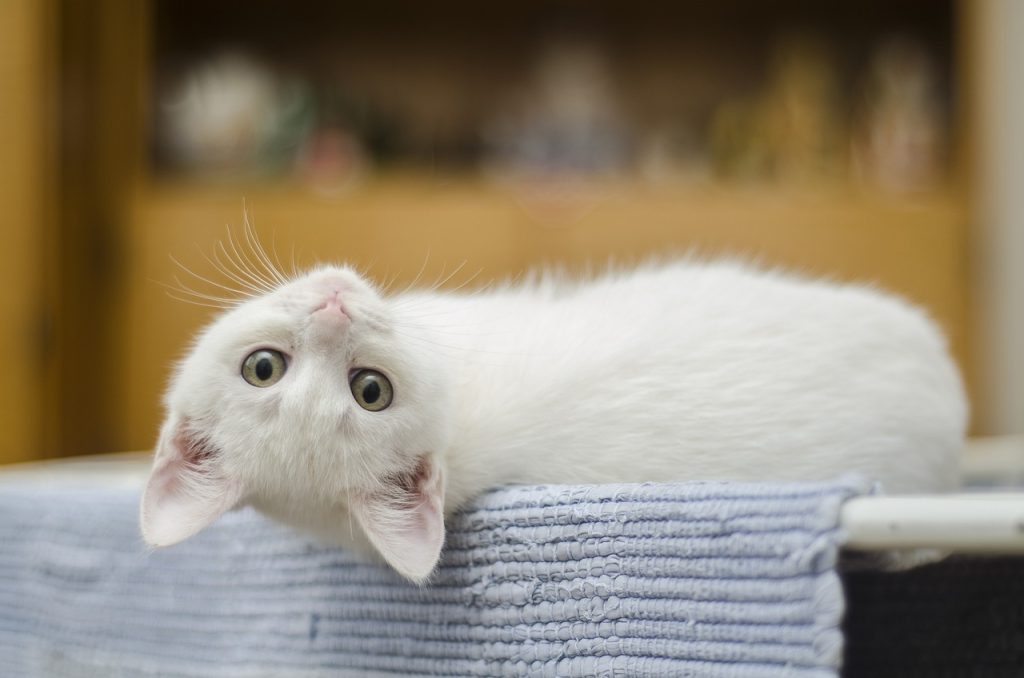
Cat allergies are immune system reactions triggered by proteins found in cat saliva, skin cells, and urine. The primary culprit is a protein called Fel d 1, produced by the sebaceous glands in a cat’s skin and saliva. When a cat grooms itself, these allergens can become airborne and settle on surfaces, leading to allergic reactions in susceptible individuals.
Table of Contents
Symptoms of Cat Allergies


Understanding Allergens
Cat allergens refer to proteins from a cat’s saliva, skin scales, and urine. The significant component of allergic reaction is Fel d 1, which is the protein secreted under the cat’s skin by sebaceous gland tissues. This protein called Fel d 1 becomes a part of a cat’s fur when cats groom themselves.
Proteins Responsible for Allergic Reactions
- Fel d 1: This protein is the primary culprit in cat allergies. It is a potent allergen that can trigger immune system responses in sensitive individuals. Fel d 1 is present in a cat’s skin, saliva, and urine.
- Fel d 4: Another allergenic protein in a cat’s skin and saliva. While not as common as Fel d 1, it can contribute to allergic reactions in some individuals.
- Other Proteins: Cats produce several proteins that can act as allergens, and individual reactions may vary. Understanding these proteins is crucial for developing targeted treatments and preventive measures.
Genetic Predisposition

- Susceptibility to cat allergies is significantly influenced by genetics. They have a higher chance of acquiring cat allergy if their family members also experience allergies. This predisposition is likely due to specific genes controlling immune system response and allergen sensitivity.
- Allergic development is influenced by exposure to allergens early in life as well. Children exposed to cats from childhood and from families with a history of allergic reactions are likely to develop cat allergies.
- It is imperative to identify particular proteins associated with allergy reactions and genetic susceptibility to aid in formulating effective treatment programs that combat cats’ allergies. This explains how to develop environments to restrict people with such sensitivities from being exposed to cat allergens.
Diagnosing Cat Allergies

Allergy Testing Methods
- Skin Prick Test: This standard allergy test involves applying a small amount of allergen extract, including cat dander, to the skin’s surface and then pricking the skin to introduce the allergen. An allergic reaction, such as redness or swelling, indicates sensitivity.
- Blood Test (RAST): A blood test can measure the level of specific antibodies (IgE) produced in response to cat allergens. This is particularly useful when skin testing is impractical or poses a risk.
- Intradermal Skin Test: Small amounts of allergen are injected under the skin, and any resulting reaction is observed. While less common than skin prick tests, it can be more sensitive in detecting specific allergies.
Identifying Specific Allergens
- Allergy testing helps identify the specific cat allergens triggering an individual’s allergic reactions. This information is crucial for targeted treatment and management strategies. Common cat allergens include Fel d 1 (found in saliva, skin, and urine), Fel d 2 (found in cat dander), and Fel d 4 (found in skin and saliva).
- Understanding which allergens are responsible for the allergic reactions allows for more effective measures, such as avoiding specific cat breeds or implementing environmental changes to reduce exposure.
Consultation with an Allergist
- Seeking professional medical advice is essential for accurate diagnosis and personalized treatment plans. An allergist, a specialist in allergies and immunology, can thoroughly assess symptoms, medical history, and allergy test results.
- The allergist will discuss the severity of the allergic reactions, potential triggers, and lifestyle factors. This consultation helps tailor a comprehensive approach to managing cat allergies, considering both short-term relief and long-term strategies.
- Allergists may also guide preventive measures, such as creating an allergy-friendly home and incorporating medical interventions like medications or immunotherapy.
- Accurate diagnosis through allergy testing and consultation with an allergist empowers individuals with cat allergies to make informed decisions about managing their condition, improving their quality of life, and mitigating allergic reactions effectively.
Preventive Measures
Creating an Allergy-Friendly Home

- Designated Pet-Free Zones: Establish specific areas in the home where the cat is not allowed, such as bedrooms or furniture. This helps minimize direct exposure to cat allergens in locations where individuals spend significant time.
- Air Purifiers: Use high-efficiency particulate air (HEPA) filters in air purifiers to trap and remove airborne allergens, including cat dander. Place these purifiers in commonly used areas to improve overall indoor air quality.
- Frequent Cleaning: Dust, vacuum, and clean surfaces regularly to reduce the accumulation of cat allergens. Use damp cloths when dusting to prevent the dispersal of allergens into the air.
- Wash Bedding and Curtains: Launder bedding, curtains, and other fabrics that may frequently harbor cat dander. Use hot water to effectively remove allergens.
- HEPA Vacuum Cleaners: Invest in a vacuum cleaner equipped with a HEPA filter to capture small particles like cat dander. Vacuum carpets, upholstery, and drapes regularly.
Cat Breeds Less Likely to Cause Allergies
- Hypoallergenic Breeds: While no cat is entirely hypoallergenic, some breeds are known to produce fewer allergens. Examples include the Siberian, Balinese, and certain types of Siamese cats. Researching and choosing a cat with lower allergen production may be beneficial.
- Low-Shedding Breeds: Breeds that shed less hair may reduce the amount of dander in the environment. Examples include the Devon Rex and Cornish Rex.
- Regular Grooming: Some long-haired breeds may benefit from regular grooming to minimize shedding and dander. Consult with a veterinarian or professional groomer for advice on grooming practices.
- Regular Grooming and Cleaning Tips:
- Bathing the Cat: While not all cats enjoy water, cleaning them occasionally can help reduce the amount of allergens on their fur. Use a cat-friendly shampoo recommended by a veterinarian.
- Brushing the Cat: Regularly brushing the cat’s fur can help remove loose hair and reduce the spread of dander. Use a brush designed for your cat’s coat type.
- Cleaning Cat’s Bedding: Wash the cat’s bedding regularly to remove accumulated allergens. Choose bedding materials that are less likely to retain dander.
- Wearing Protective Clothing: If allergic individuals are involved in grooming or cleaning tasks, wearing protective clothing like gloves and a mask can minimize direct contact with allergens.
Implementing these preventive measures can significantly reduce cat allergens in the home, making it more manageable for individuals with cat allergies to coexist with their feline companions.
Treatment Options

Over-the-Counter Antihistamines
- How They Work: Antihistamines are medications that counteract the effects of histamine, a substance released by the body in response to allergens. They help relieve symptoms such as sneezing, itching, and runny nose.
- Common OTC Antihistamines: Examples include cetirizine (Zyrtec), loratadine (Claritin), and fexofenadine (Allegra). These medications are readily available without a prescription.
- Considerations: While antihistamines can provide symptomatic relief, they may not address all aspects of cat allergies, and their effectiveness varies among individuals.
Prescription Medications
- Nasal Corticosteroids: Prescription nasal sprays containing corticosteroids can reduce inflammation and alleviate nasal symptoms associated with cat allergies. Examples include fluticasone (Flonase) and mometasone (Nasonex).
- Leukotriene Modifiers: These medications, such as montelukast (Singulair), work by blocking the action of certain chemicals involved in allergic reactions, relieving symptoms like nasal congestion and sneezing.
- Decongestants: A healthcare provider may sometimes recommend decongestants to relieve nasal congestion. These medications are available in both oral and nasal spray forms.
- Prescription Antihistamines: Stronger antihistamines, often available by prescription, may be prescribed for individuals who do not respond well to over-the-counter options.
Immunotherapy (Allergy Shots)
- How It Works: Immunotherapy involves gradually increasing allergens doses to desensitize the immune system. Over time, this can reduce allergic response to cat allergens.
- Effectiveness: Immunotherapy reduces symptoms and the need for medication in some individuals with cat allergies. It is a long-term approach that aims to modify the underlying immune response.
- Treatment Duration: Immunotherapy typically involves a series of injections administered over several months, followed by maintenance doses. The process requires commitment but can provide lasting benefits.
- Consultation with an Allergist: Immunotherapy is personalized, and decisions about its suitability are made in consultation with an allergist. The allergist will assess the individual’s medical history, severity of symptoms, and response to other treatments before recommending immunotherapy.
Each treatment option has its own benefits and considerations, and the choice of treatment depends on factors such as the severity of symptoms, individual response, and the preference of the individual with cat allergies. Consultation with a healthcare provider or allergist is crucial for developing an effective and personalized treatment plan.
Say Goodbye to Cat Allergies
Cat allergy management entails prevention, therapeutic approaches, and lifestyle modifications. Steps such as building a hypoallergenic household, selecting cats that produce fewer allergens, and grooming should be done to prevent allergies. Symptom relief is provided through treatment options such as over-the-counter antihistamines, prescriptive drugs, and immunotherapy. Nonetheless, engaging in discussions with healthcare providers like allergists, who can customize a solution that works well for you, is essential. When planned carefully and the right decision is made, people suffering from cat allergy can easily live with pets and manage their lives without severe reactions associated with this illness.