


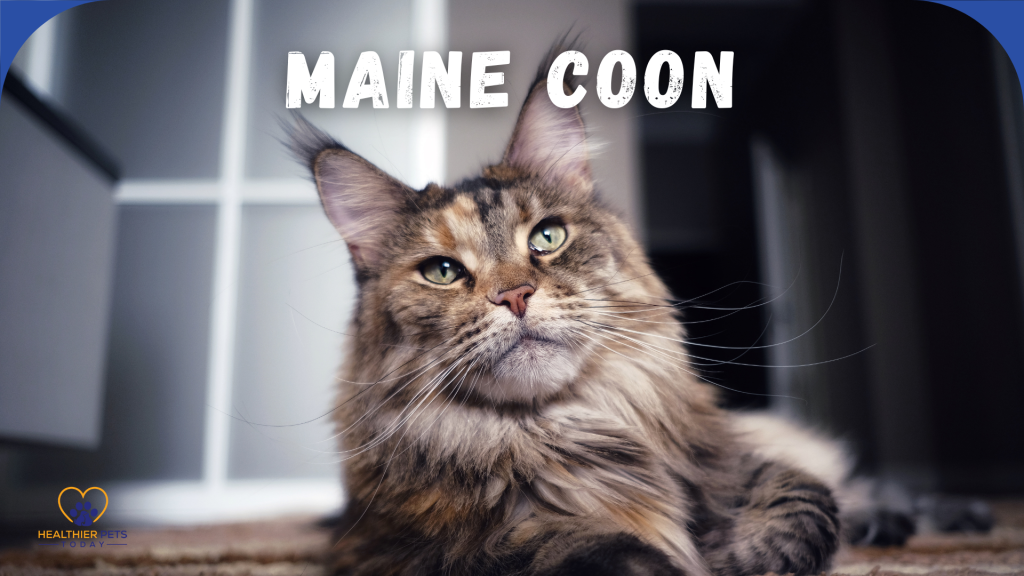
Your new cat should feel like a faithful companion, and a Maine Coon cat brings a playful spirit and stunning looks to any home. Known as gentle giants, these cats combine impressive size with a friendly, dog-like personality that wins hearts. Whether you’re curious about their traits, care needs, costs, or vibrant coats, this guide covers it all.
From their unique features to their long lives, you’ll learn how to create a happy space for your pet, ensuring they thrive as a beloved family member.
So, let’s get started!
Maine Coon Characteristics
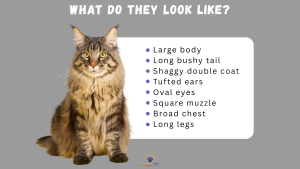

The Maine Coon characteristics make this breed unforgettable. Males typically weigh 15 to 25 pounds, while females range from 11 to 20 pounds, reaching full size around four or five years. Their rectangular, muscular bodies stretch up to 40 inches, including a bushy, raccoon-like tail that curls for warmth.
Picture a cat with a silky, shaggy coat, longer on the belly and shorter on the shoulders, framed by a lion-like neck ruff. Large, tufted ears and expressive, oval-shaped eyes in green, gold, or copper add charm. Some have extra toes, a trait called polydactylism, giving their paws a broad, snowshoe-like look. Owners love their athletic build, but you’ll need larger litter boxes and sturdy scratching posts to match their size.
Colors and Patterns
Maine Coons dazzle with their Maine Coon colors, offering a wide range of stunning looks. Imagine a cat with a classic brown tabby coat, swirled with bold stripes, or a white Maine Coon glowing in sunlight. You’ll find them in cream, blue, red, tortoiseshell, calico, silver, and the striking black smoke Maine Coon, where a white undercoat peeks through dark tips. An orange Maine Coon cat brings warmth with vibrant red hues.
Patterns include mackerel tabby, ticked, or bi-color, but breed standards exclude chocolate, lavender, and Siamese pointed patterns, meaning the rare Maine Coon-Savannah cat hybrid isn’t recognized. Eye colors like green or gold complement their coats, with blue or odd-eyed cats possible in white cats. Owners enjoy the variety, though multicolored coats need extra grooming.
Personality and Temperament
Your Maine Coon will likely trail you around, chirping softly instead of meowing, eager to join your day. These cats are social, affectionate, and intelligent, often compared to dogs for their trainability and loyalty. Picture a cat fetching a toy or strolling on a leash, tail held high. They blend into busy households, getting along with kids, dogs, and other cats, but they’re not overly clingy.
Maine Coons love playtime, yet are happy to nap nearby. Their curious, kitten-like energy lasts into adulthood, making them perfect for families who can offer attention. Owners note their gentle nature, but some say loneliness can creep in if they’re alone too long, so consider a playmate.
Care and Grooming Maine Coon Cats
Keeping your Maine Coon healthy and happy takes a bit of effort, but it’s rewarding.
Here are some grooming and care tips:
- Their long, silky coats need brushing once or twice a week with a metal pin brush to prevent matting, especially on the belly and legs.
- Baths are easier than expected since many enjoy water, splashing in bowls or fountains.
- Trim nails every two weeks, and clean ears weekly with a cat-safe solution to avoid dirt buildup.
- Feed a high-protein diet, like chicken or fish-based food, suited to their life stage, and use wide bowls to prevent whisker fatigue.
- Puzzle feeders and tall climbing towers keep them active, but you’ll need larger setups for their size.
Owners find grooming straightforward, though quality brushes save time.
Health Considerations

Maine Coons are robust but prone to specific health issues. Hypertrophic cardiomyopathy, a heart condition, may cause breathing difficulties or lethargy, so regular vet checkups and DNA tests are smart. Spinal muscular atrophy can make kittens wobbly, requiring indoor safety.
Polycystic kidney disease affects kidney function, but early testing helps manage it. Hip dysplasia may hinder jumping, especially in larger males, and chronic gingivitis calls for consistent dental care. Owners report that routine vet visits and a balanced diet catch problems early, keeping their cats active. An indoor lifestyle reduces risks like injury or theft, ensuring your cat stays safe.
Life Expectancy of Main Coons
With proper care, your Maine Coon can enjoy a Maine Coon life expectancy of 12 to 15 years, though some reach their late teens or even 20s. Picture a silver tabby lounging at 18, still chasing toys with glee. A high-protein diet, regular exercise, and annual vet visits boost longevity. Indoor cats often outlive outdoor ones due to fewer dangers. Genetic conditions like hypertrophic cardiomyopathy or polycystic kidney disease can impact lifespan if untreated, but early detection helps. Owners share stories of cats like Rubble, who reached 31, proving that love and care can lead to a long, vibrant life.
How Much is a Maine Coon Cat?
Bringing one home involves costs, but their companionship is priceless. Expect to pay $650 to $2,000 for a kitten from a reputable breeder, with rare colors like silver or black smoke costing more [catster.com]. Curious about how much are Maine Coon cats overall? Yearly food expenses run $700 to $1,000, depending on quality and your cat’s size.
Larger litter boxes, wide bowls, and sturdy scratching posts add $100 to $300 upfront. Vet visits, vaccinations, and microchipping cost $200 to $500 annually, with pet insurance advised for genetic issues. Owners find grooming tools and toys, like laser pointers, affordable ways to keep their cats happy.
History and Origins
Maine Coons hail from New England, likely descending from short-haired ship cats that bred with long-haired breeds like Norwegian Forest cats. Picture rugged cats prowling Maine farms, hunting mice with ease. By the 1860s, farmers showcased their “coon cats” at fairs, and in 1895, a brown tabby named Cosey won America’s first cat show. Myths tie them to Marie Antoinette’s Turkish Angoras or a captain named Coon, but their true roots lie in adapting to harsh winters. Today, they’re a top breed with the Cat Fanciers’ Association, loved for their charm and resilience.
Finding Your Maine Coon

Ready to bring home a Maine Coon? Reputable breeders offer health-tested kittens, often with waitlists for rare colors like white or orange. Use the Cat Fanciers’ Association’s Find-A-Breeder tool or visit cat shows to connect with trusted breeders. Shelters sometimes have Maine Coons or mixes, especially older cats, at lower costs [purebredcatrescue.org]. Ensure pedigree papers confirm purebred status, as hybrids aren’t recognized. Owners suggest choosing breeders who screen for genetic issues, ensuring your cat thrives. Your new friend will bring joy every day.
Conclusion: Are They Good Pets?
Choosing a Maine Coon means welcoming a gentle giant with a heart as big as their frame. Their playful spirit and stunning looks, as seen in pictures of Maine Coon cats, make them a perfect fit for families or solo owners. With proper care, grooming, and love, your Maine Coon will fill your home with warmth, whether it’s a tabby or a rare shade. Start your journey today and create a lifelong bond with this extraordinary breed.