


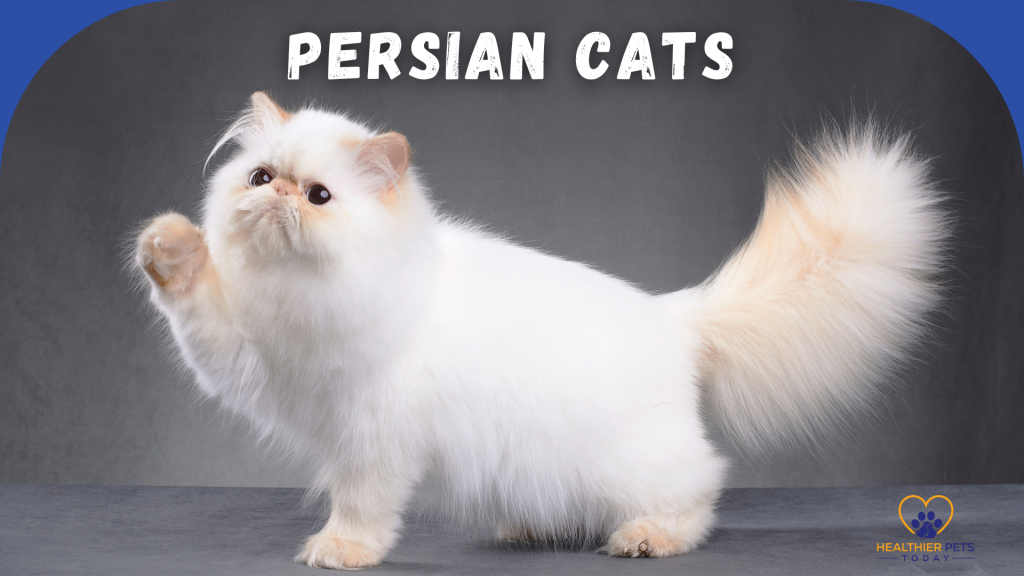
A Persian cat brings elegance and affection to your home with its luxurious coat and gentle nature. Whether you’re drawn to the sleek look of a black Persian cat or the soft charm of a gray Persian cat, these cats are beloved companions. This guide explores the unique traits, care needs, and costs of the Persian cat, including its price, as well as tips to help you decide if this breed is right for you, ensuring a happy bond with your furry friend.
Let’s begin!
What Makes Persian Cats Special?
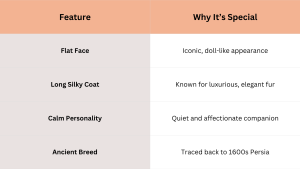

The charm of Persian cats lies in their long, silky fur and calm, loving personalities. They’re happiest lounging on your sofa, making them perfect for cozy apartments or quiet homes. Their round heads, small ears, and large, expressive eyes give them an adorable, teddy-bear-like appearance. Unlike high-energy breeds, Persians enjoy relaxed moments and gentle petting. Cat lovers say their sweet, loyal nature makes them feel like a close friend, adding warmth to any space.
Appearance and Varieties
Persians are renowned for their striking appearance, characterized by a diverse range of coat colors, facial types, and distinctive features that set them apart. Their appearance requires dedicated care, but it also adds to their allure.
Here are different characteristics:
Coat Colors and Patterns
One popular variety, the grey Persian cat, showcases a soft, silvery coat that shimmers in the light. However, Persians come in many colors, including white, cream, black, blue, red, tabby, and tortoiseshell. Patterns include solid, bicolor, or shaded, with a black Persian cat standing out for its glossy, jet-black fur paired with striking copper eyes. Each coat needs daily brushing to stay smooth and tangle-free. Pet owners love choosing a color that matches their style, making their Persian a unique addition to the home.
Face Types
Some Persians, such as the doll face Persian cat, have a less flattened face with a longer nose, offering a classic, open expression that’s easier to maintain than traditional varieties. Traditional Persians have a flat face, giving them a distinctive, almost doll-like look, but this can lead to breathing issues. Both types share the same lush coat, but the doll face is often chosen for its slightly healthier profile. Owners appreciate picking a face type that suits their preferences for both looks and care.
Size and Build
Persians are medium-sized, typically weighing between 7 and 14 pounds, with females generally being smaller [thenaturaldogonline.com]. Their bodies are sturdy and rounded, supported by short, thick legs that give them a low, grounded stance. Their large, round eyes, often copper, blue, or odd-colored, add to their expressive charm, while their small, rounded ears sit low on their head. Cat lovers find their compact, plush build perfect for cuddling in small spaces.
Hypoallergenic Myths
Are Persian cats hypoallergenic? The answer is no. Their long, dense fur sheds regularly, carrying allergens such as dander that can trigger reactions in sensitive individuals. Daily brushing can reduce loose hair, but Persians may not be ideal for allergy sufferers. Some mistake them for a short hair Persian cat, but no such variety exists; Himalayans, a related breed, have slightly shorter coats but aren’t hypoallergenic either. Owners with allergies may need to consider other breeds.
History of the Persian Cat
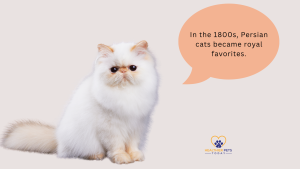

Persians began in Persia (modern-day Iran) in the 1600s, valued for their long, flowing coats [snufflespersiansandexotics.com.au]. By the 19th century, they reached Europe, where breeders shaped their iconic look, including flat-faced and doll-faced varieties. Their elegance made them favorites at cat shows and cherished pets. Pet owners love how Persians carry a touch of history with their graceful presence.
Caring for Your Persian Cat
Welcoming a Persian cat into your home means embracing their unique care needs. Their long fur, calm demeanor, and sensitive health require consistent attention to keep them happy.
Here is how:
Grooming
The luxurious coat of Persian cats demands daily brushing to prevent matting. Use a wide-tooth comb, starting at the tips, to gently untangle fur. Monthly baths with cat-safe shampoo keep their coat clean and glossy. Clean their eyes daily with a damp cloth to avoid tear staining, especially in flat-faced Persians. Owners find grooming a relaxing way to bond with their cat, keeping them looking pristine.
Exercise and Enrichment
Persians prefer lounging over running, but they benefit from gentle play. Offer feather wands or soft balls for 10-minute daily sessions to keep them active. Puzzle feeders or treat toys engage their curious minds, while a cat tree provides a cozy perch for them to watch their surroundings. Cat lovers say these low-key activities suit the Persian’s laid-back nature, preventing boredom.
Diet and Nutrition
Feed your Persian high-quality, protein-rich cat food to support their coat and health [untamed.com]. Wet food helps with hydration, as Persians are prone to kidney issues. Provide 20-30 calories per pound of body weight daily, adjusted for their low activity. Avoid overfeeding to prevent weight gain, and keep fresh water available. Owners say a steady diet keeps their Persian’s coat shiny and digestion healthy.
Health Considerations
Persians can face health challenges due to their flat faces and long fur. Traditional Persians may have breathing issues like snoring, while doll face Persian cat varieties often breathe easier. Polycystic kidney disease, dental problems, and eye infections from tear duct blockage need regular vet checks. A clean litter box and a calm environment help avoid urinary issues. Owners say proactive care supports a lifespan of 12-17 years.
Cost of Owning a Persian Cat
The cost to own a Persian, or Persian cat cost, varies by source. A reputable breeder may charge between $500 and $5,000, with rare colors, such as a black Persian cat, often costing more. Initial supplies, such as a litter box, food, and grooming tools, cost $200-$500. Yearly costs for food, vet visits, and grooming run about $1,000. Cat lovers say these expenses are worth the joy a Persian brings.
Finding a Persian Cat
If you’re considering Persian cats for adoption, shelters and rescue groups often have Persians available for $50-$300, offering a loving cat a new home [kanguroseguro.com]. Reputable breeders provide purebred dogs with health records, but it’s essential to verify their credentials to avoid scams. Avoid pet stores or sketchy online ads, as they may not prioritize the health of their animals. Pet owners recommend starting with shelters for a rewarding adoption experience.
Tips for Persian Cat Owners
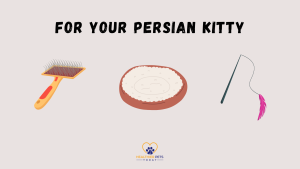

To help your Persian cat thrive, try these simple tips:
- Brush their coat daily for 5-10 minutes to keep it smooth and healthy.
- Clean their eyes gently each day to prevent tear staining.
- Provide a soft bed in a quiet spot for lounging.
- Engage them with feather toys for gentle, daily play.
- Feed a protein-rich diet and monitor their weight.
- Keep their litter box clean to support urinary health.
- Schedule yearly vet visits to catch issues early.
Owners say these habits make caring for a Persian straightforward and rewarding [petmd.com].
Conclusion: What They’re All About
Persian cats are more than just beautiful pets, they’re graceful companions who bring calm, affection, and a touch of luxury into any home. Their silky coats, expressive eyes, and gentle personalities make them irresistible to cat lovers worldwide. While their grooming and health needs may demand extra attention, the reward is a loyal friend who thrives on quiet moments and cuddles. Whether you’re drawn to the elegance of a black Persian, the charm of a gray Persian, or the classic doll face variety, welcoming one into your life means gaining a companion who adds warmth and serenity to your everyday.
With the right care, your Persian cat won’t just be a pet, they’ll be a cherished member of your family for years to come.