


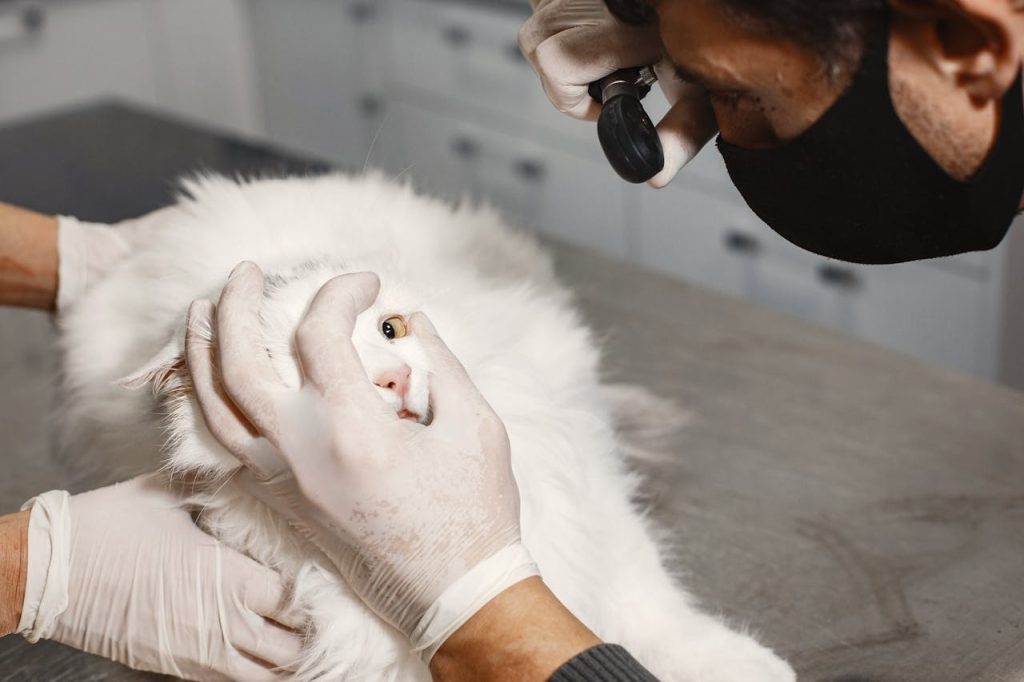
Did you know that cat diabetes is treatable? Early detection means remission. Diabetes needs to be detected and treated properly. We explain what it is, the best cat diabetes treatment options, how to manage it, and how to recognize early signs of diabetes in cats. Let’s change your kitty’s health!
Table of Contents
Understanding Cat Diabetes

What is Cat Diabetes Exactly?
Just like humans, their bodies are not able to produce insulin or react to hormone insulin. This then results in a spike in sugar levels, making cats feel weak.
Causes of Cat Diabetes
There are about 7 causes! Some are due to their diet, while others stem from age or a lack of exercise.
The causes and risk factors include:
- Obesity
- Age
- Breed Predisposition
- Diet
- Lack of Exercise
- Pancreatitis
- Steroid Use
What is The Importance of Early Diagnosis?
Early diagnosis means early treatment. How can you treat it without a diagnosis? However, not all cats can be treated because of the severity of the condition, other health issues, inconsistent treatment by owners, and chronic diseases.
Here is how early diagnosis can improve your cat’s life:
- Prevents complications
- Improves quality of life
- Potential for remission
- Reduces veterinary costs
- Extends their lifespan
The Best Cat Diabetes Treatment Options


- Diet
Dry food is the most popular cat food. Unfortunately, these aren’t as healthy as canned food. Your cat need’s low carbohydrates and high protein to regulate their sugar levels. This combination is a very effective remedy you can try at home.
- Insulin
These injections are a vet’s go-to! They help regulate blood levels quickly compared to other treatments, and owners can inject their cats themselves. Remember that monitoring can save your cat’s life. You’ll be able to identify whether your cat’s sugar level is too high and give them the right dosage.
- Medication
It’s not effective for all diabetic cats. Some require insulin shots while others just need some medication. The side effects are gastrointestinal issues and liver problems. You will need to visit the vet regularly to ensure the cat’s diabetes treatment is working.
Monitoring and Managing Sugar Levels
Monitoring at Home
Do you know what a glucose meter is? You’ll need it to test your cat’s sugar. Testing should be done every four hours. Make notes about their weight, water intake, and eating habits. This can help the vet determine if the treatment is working.
Regular Veterinary Check-ups
Cat diabetes can be managed effectively by regularly going to the vet. After the diagnosis, you’ll need to take your cat every few weeks, and after a while, it will change to every three to four months.
General Care Tips for Diabetic Cats

Healthy Weight
A healthy weight is more than just eating canned food. Cats need to exercise to maintain a healthy weight. It’s recommended that cats exercise twice a day for 15 minutes at a time.
Here are some tips on how to keep your cat active:
- Keep sessions short
- Give them puzzles to do
- Use catnip to bring out their playful side
- Play with a laser pointer
- Freeze treats and make them work for it
Hydration
Diabetic cats pee often, which can quickly lead to dehydration. Your cat should drink about 1 cup daily; wet food can help with that.
Signs of dehydration in cats:
- Weakness
- Changes in appetite
- Dry gums
- Panting
Managing Stress
All cats need is a calm environment and a good routine. Feed your cat at the same time every day, and the same goes for their insulin shots and medication. Creating cozy hiding spots for cats can also help them feel more at ease. They can get away from everything and get some sleep in. Exercise is also a great way of managing stress.
Preventing Complications
Common Complications of Feline Diabetes
Your cat may have other issues when suffering from diabetes. Some are life-threatening. Let’s take a closer look!
List of possible complications with their symptoms:
- Diabetic Ketoacidosis (DKA): When there is not enough insulin, the body makes too much blood acids. Symptoms are thirst, stomach pain, changes in urination, weakness, and dizziness.
- Hypoglycemia: This term refers to low blood sugar. The main reason for this is starvation. This does not mean you are not you’re feeding your cat but maybe they are not eating enough. When cats feel sick, they tend to starve themselves. Just be vigilant and look for symptoms like heart palpitations, weakness, and anxiety.
- Neuropathy: It can be difficult to pinpoint this nerve injury. Some have to do with the spinal cord itself. Symptoms are weakness in one side of the face and loss of sensation in the feet and paws.
- Infections: These cats are more likely to get infections, especially urinary tract infections, because of their high glucose (sugar) levels. Symptoms are bloody urine, unusual smells from their litter boxes, and frequent urination.
Steps to Prevent Complications
There are many effective ways to prevent this from happening.
Here is a summary:
- Monitor your cat’s glucose levels often
- Consistently inject your cat with their prescribed insulin
- Change their diet to canned food for a healthier cat
- Give them enough fresh water
- Monitor their eating habits
- Visit the vet regularly
Conclusion

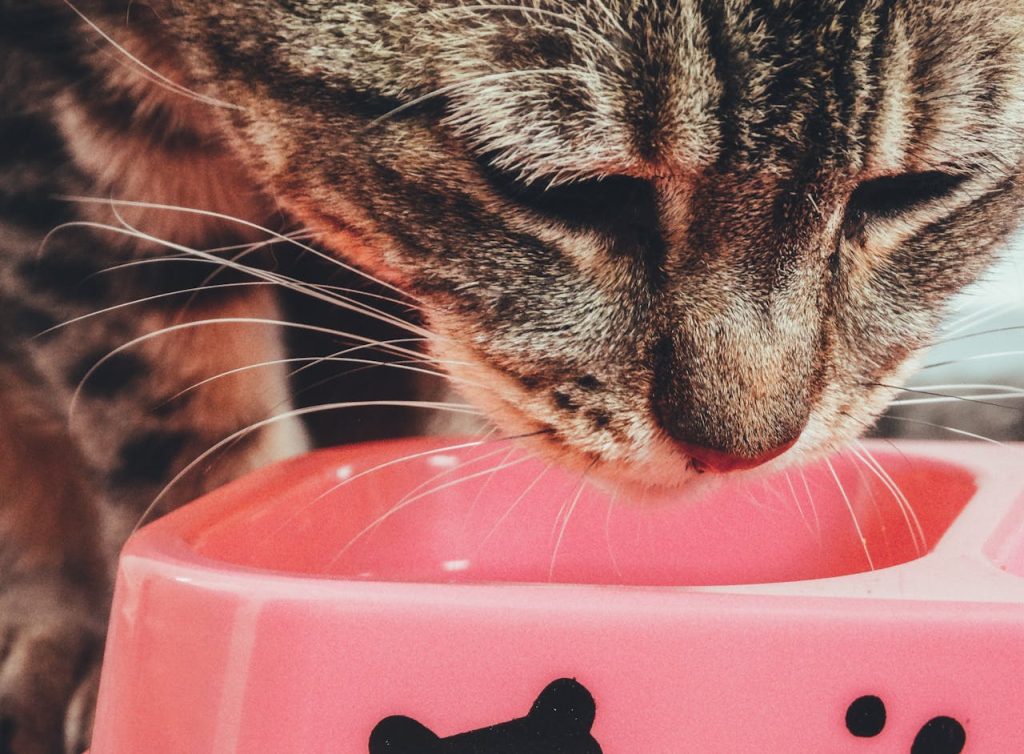
Even though diabetes is treatable, it’s still a serious conditions that need the right cat diabetes treatment. Some cats go on diets, while others use oral medication or insulin. Regular visits to the vet are necessary for managing diabetes effectively. If diabetes is left untreated, cats may suffer from DKA, hypoglycemia, neuropathy, and infections. So, make that appointment and catch it early! Who knows, your kitty might be able to go into remission.