



Your cat’s gentle purrs and playful leaps light up your home, but trauma can dim their spark. Imagine your feline friend cowering after a frightening encounter, their trust shaken. Cat PTSD, a genuine condition, affects cats exposed to intense stress, like attacks or sudden moves. Recognizing signs of trauma in cats is the first step to restoring their confidence.
Can cats have PTSD? Absolutely, and understanding traumatized cat symptoms empowers you to help. This guide explores cat trauma, its causes, and practical recovery tips, offering empathetic advice that extends beyond symptom lists.
Whether your cat is hiding or lashing out, learn how to help a traumatized cat and rebuild their joy.
Table of Contents
What Is Cat PTSD?

Cat PTSD, or post-traumatic stress disorder, is a psychological condition where cats relive fear from past stressors, mirroring human PTSD. Can cats get PTSD? Yes, their sensitive brains store trauma, leading to cat PTSD symptoms like aggression or withdrawal. PTSD in cats emerges from events that shatter their sense of safety, such as abuse, attacks (my cat is traumatized after being attacked), or vet visits (cat traumatized after vet visit). Unlike fleeting fear, cat trauma persists, altering behavior and health.
Can cats be traumatized? Their nervous systems, wired for survival, make traumatized cats prone to heightened stress responses. Signs of emotional trauma in cats, such as hypervigilance or reduced play, indicate cats with PTSD. Cats lack verbal expression, so cat trauma symptoms like hiding become critical clues. Do cats get PTSD? Absolutely, especially after chronic or acute stressors.
Below are the causes and effects of trauma in cats:
Causes of Cat PTSD
Cat trauma arises from diverse stressors, each leaving a lasting mark. Can cats have trauma?
Yes, and pinpointing triggers helps address traumatized cat behaviors:
- Physical Attacks: Cat traumatized after fight or cat traumatized after being attacked may show fear, aggression, or avoidance, core cat PTSD signs.
- Environmental Shifts: A Cat traumatized after move disrupts familiar routines, causing the traumatized kitten stress or the cats PTSD.
- Vet Visits or Loss: A cat traumatized after vet visit or a cat traumatized after being lost prompts hiding, a key traumatized cat symptom.
- Abuse or Neglect: Past mistreatment or neglect triggers PTSD in cats symptoms, like flinching at touch.
- Sudden Noises or Accidents: Thunderstorms, vacuum cleaners, or car accidents cause kitten trauma symptoms, answering can cats get traumatized.
- Chronic Stress: Ongoing stressors, like crowded shelters, lead to cat traumatized behaviors, impacting long-term trust.
How Trauma Affects Cats
Trauma cats face profound emotional and physical changes, which can significantly impact their daily lives. Can a cat go into shock from being scared? Intense fear may cause trembling, rapid breathing, or collapse, critical cat trauma symptoms. PTSD in cats disrupts neurological balance, with stress hormones like cortisol spiking, impairing relaxation and bonding.
Emotional trauma in cats manifests as signs of PTSD in cats, including disrupted sleep, excessive vocalizing, or neglecting grooming. Is my cat traumatized? Persistent signs of traumatized cat, like avoiding family or favorite toys, signal the cat is distressed. Chronic stress weakens immunity, increasing risks of infections or digestive issues, further complicating cats with PTSD.
Trauma erodes trust, making your cat wary of touch or sudden movements, which can strain your bond. Unlike short-term stress, cats PTSD lingers, affecting appetite, play, and litter habits. Understanding can cats have PTSD equips you to empathize, guiding how to help a cat with PTSD to restore their confidence and comfort.
Recognizing Traumatized Cat Symptoms
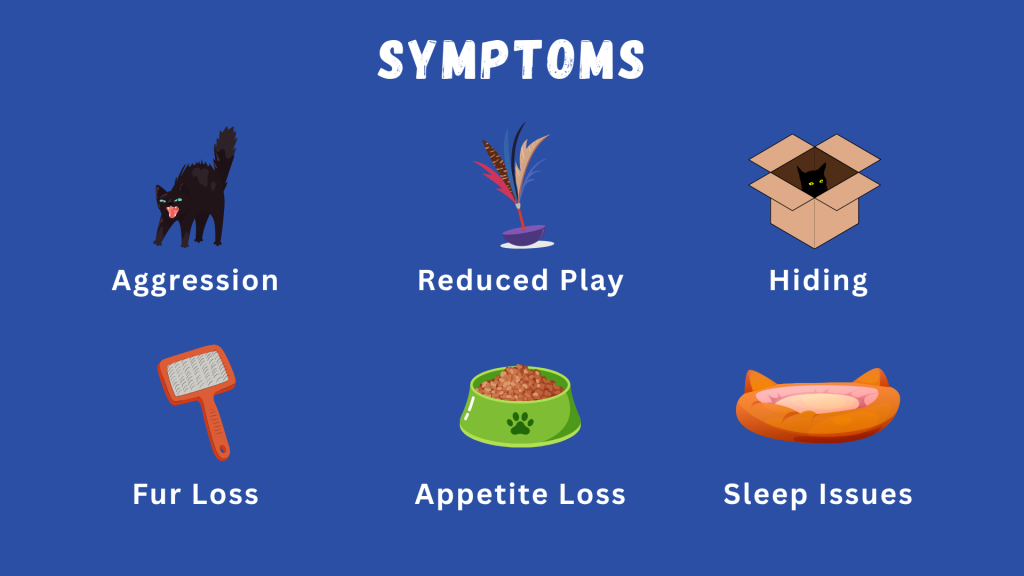
Identifying traumatized cat symptoms is essential to support your cat’s healing. Signs of trauma in cats range from overt aggression to subtle withdrawal, and answering my cat is traumatized with clear markers. Cat PTSD shows through behavioral shifts, like hiding, or physical changes, like weight loss, reflecting trauma in cats. Do cats get traumatized? Yes, and traumatized cats exhibit prolonged distress compared to brief stress.
Here’s how to spot signs of emotional trauma in cats and respond effectively:
Behavioral Signs
Cat trauma symptoms often emerge as behavioral changes, signaling PTSD in cats.
Signs of a traumatized cat include:
- Aggression: A cat traumatized after fighting may hiss, scratch, or bite, a stark shift from their norm, indicating cat PTSD.
- Hiding: Traumatized kittens or adults retreat to dark corners or under beds, avoiding interaction, common in cats with PTSD.
- Hypervigilance: Constant alertness, with dilated pupils, twitching ears, or tail flicking, shows traumatized cat anxiety, answering can cats be traumatized.
- Neediness: Excessive clinging, like shadowing you or meowing for attention, reflects a cat traumatized after move or emotional trauma in cats.
- Reduced Play or Grooming: Reluctance to play or matted fur from neglected grooming signals kitten trauma symptoms, noted by owners keeping behavior diaries.
Physical Signs
Trauma cats show physical cat PTSD symptoms, impacting their health. Can cats get traumatized enough for physical decline? Yes, unfortunately, they can.
The signs of PTSD in cats include:
- Appetite Loss: A cat traumatized after being lost may skip meals, leading to weight loss. This is a key symptom of a traumatized cat, often flagged by veterinarians.
- Sleep Issues: Pacing, insomnia, or restless sleep, seen in PTSD in cats symptoms, disrupts rest, reflecting cat trauma.
- Inappropriate Toileting: Urinating outside the litter box, frequent in cat traumatized after vet visit, indicates traumatized cats is stressed.
- Fur Loss or Health Decline: Stress-induced overgrooming, hair loss, or digestive issues (e.g., vomiting) show cat trauma symptoms and emotional trauma in cats.
Common Triggers for Cat Trauma
Understanding can cats get traumatized hinges on recognizing triggers for cat PTSD. Traumatized cats react to specific stressors, which can cause trauma in cats. How to help a traumatized cat starts with minimizing these triggers.
Here are the causes of cat traumatized behaviors:
Environmental Changes
Cat traumatized by move or cat traumatized after move is common, as new environments disrupt familiar scents, spaces, and routines. Traumatized kittens or adults may hide, vocalize, or stop eating, which are signals of cats with PTSD. Social changes, such as the introduction of new pets, family members, or rearranged furniture, can also trigger signs of emotional trauma in cats. Takes things slow, like introducing one room at a time, reduces cat trauma, and eases PTSD in cats symptoms. Keeping familiar items, like their bed, helps stabilize trauma cats.
Physical or Emotional Stress
Physical incidents, like being attacked or a cat traumatized after fighting, can cause cat PTSD through pain or fear. Emotional stressors, including a cat traumatized after vet visit, owner absence, or sudden gestures, lead to traumatized cat symptoms being triggered. Can a cat go into shock from being scared? Severe stress may cause trembling or disorientation, highlighting signs of traumatized cat. Micro-stressors, like unexpected visitors, disrupt emotional bonding, intensifying cats PTSD.
How to Help a Traumatized Cat
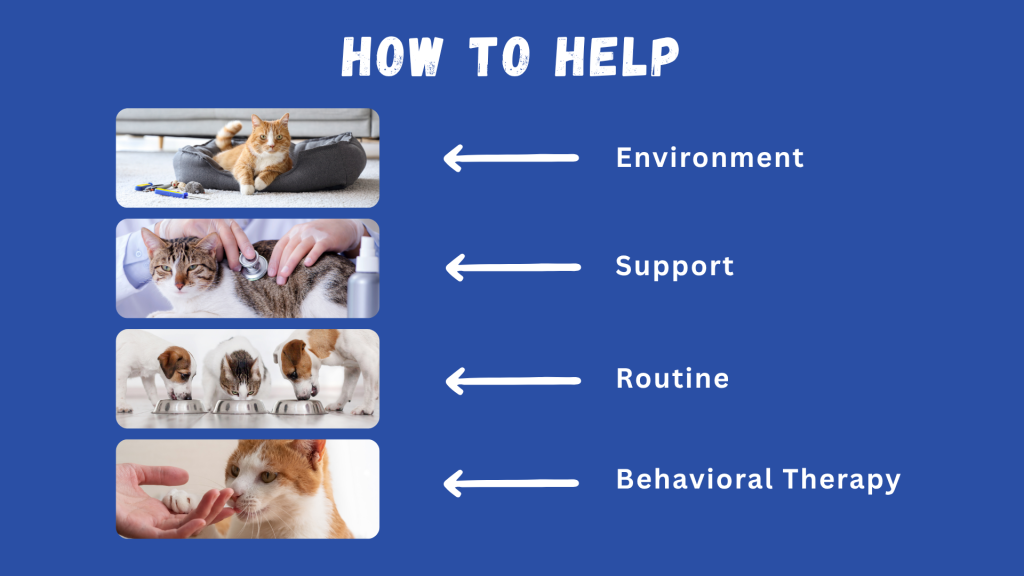
How to help a traumatized cat is your priority when cat PTSD emerges. How to help a cat with PTSD demands patience, empathy, and tailored strategies to rebuild trust and security. This section provides detailed tips for cats with PTSD, addressing the question of can cats have trauma and actionable recovery plans. How to treat a cat with PTSD requires ongoing effort, offering solutions on how to help traumatized cats restore their well-being.
Create a Safe Environment
How to help traumatized cat begins with a secure, calming space. Offer cozy hiding spots, such as blanket-lined crates or high perches, to help ease the fears of traumatized cats. Signs of PTSD in cats, like avoidance, fade in quiet areas with soft lighting and minimal noise. Use pheromone diffusers, calming collars, or lavender-scented bedding to soothe cat trauma. How to get a traumatized cat to like you begins with creating a stress-free zone and encouraging slow, trust-building interactions. Keep doors closed to limit startling sounds, supporting cats PTSD recovery.
Maintain a Routine
Consistency stabilizes traumatized cats. Fixed schedules for feeding, litter cleaning, and playtime can help reduce cat PTSD symptoms. Can cats get traumatized by unpredictability? Yes, so structured routines counter the anxiety and trauma cats may experience. Incorporate bonding activities, like daily brushing or interactive toys, to strengthen your connection. A predictable environment supports learning how to help a cat with PTSD, minimizing signs of emotional trauma in cats, and creating security.
Veterinary Support
How to treat a cat with PTSD often requires veterinary expertise. A comprehensive health check rules out conditions that mimic traumatized cat symptoms, such as infections or pain. PTSD in cats may benefit from anti-anxiety medications, such as fluoxetine, or referrals to feline behaviorists, addressing can cats be traumatized. Vets use behavioral assessments to tailor plans, preventing cat traumatized after vet visit. Regular follow-ups ensure that cats with PTSD progress, adjusting treatments as needed.
Behavioral Therapy
Knowing how to help a traumatized cat includes counterconditioning and desensitization. Gradually introduce triggers (e.g., doorbells) paired with treats to reframe cat trauma associations. Signs of trauma in cats, such as fearfulness, can be alleviated with positive reinforcement. At-home trust-building, such as offering treats during gentle petting, can help you learn how to get a traumatized cat to like you. Structured exercises, such as slow exposure to new people, alleviate cat PTSD, promoting long-term confidence.
Recovery Timeline for Traumatized Cats

How long does it take for a cat to recover from trauma? Traumatized cats follow varied paths, but cat PTSD recovery spans weeks to months. Early recovery (1-4 weeks) shows reduced hiding for mild cases, such as a cat traumatized after move. Mid-stage (4-12 weeks) brings improved appetite and play, especially with knowing how to help a cat with PTSD strategies. Severe trauma in cats, like a cat traumatized after being attacked, may take 6-12 months for full trust. Signs of PTSD in cats gradually fade with consistent care. Monitor your cat’s grooming or sociability to track progress, ensuring cats with PTSD regain their spark.
Conclusion: Can You Help Your Cat Heal from Trauma?
Your cat’s happiness is your priority, and understanding cat PTSD helps you restore their peace. By addressing traumatized cat behaviors with safe spaces, routines, and veterinary care, you support their healing. Consistent, loving efforts rebuild trust and joy. Unlike technical guides, this offers heartfelt steps to guide your cat back to purring contentment.
Start today with patience to nurture their recovery.
FAQs
How do I know if my cat has PTSD?
If you’re wondering, “Is my cat traumatized“? Watch for cat PTSD symptoms like hiding, aggression, or reduced appetite. Signs of traumatized cats indicate trauma, requiring gentle care to rebuild trust.
Can cats recover from trauma?
Yes, cats with PTSD recover with how to help a traumatized cat strategies, like safe spaces and routines. Traumatized cat symptoms fade with consistent, empathetic support over weeks.
What are the signs of a traumatized cat?
Signs of trauma in cats include hypervigilance, inappropriate toileting, or clinginess, reflecting cat PTSD. Emotional trauma in cats shows through fear or avoidance behaviors.
How long does it take for a cat to get over trauma?
How long does it take for a cat to recover from trauma? Traumatized cats improve in 4-24 weeks, depending on cat trauma severity and care consistency.
Can a vet help with cat PTSD?
Vets diagnose PTSD in cats symptoms and recommend treatments, like medication or behavior plans, supporting how to treat a cat with PTSD effectively.
What triggers cat trauma?
Cat trauma stems from attacks (cat traumatized after fight), moves (cat traumatized by move), or vet visits, causing traumatized kitten behaviors like hiding or vocalizing.
How can I make my cat feel safe after trauma?
Offer quiet hiding spots and pheromone diffusers to ease cats PTSD, supporting how to help a traumatized cat feel secure and relaxed.
Can moving cause PTSD in cats?
Yes, cat traumatized after move shows cat PTSD through withdrawal or excessive meowing, needing how to help a cat with PTSD to adjust.
Do cats get traumatized by fights?
Cat traumatized after fight or my cat is traumatized after being attacked displays signs of PTSD in cats, like fear or defensive aggression.
Can I accidentally traumatize my cat?
Loud noises or rough handling can cause traumatized cat behaviors, but knowing how to help traumatized cats with patience can rebuild trust.