


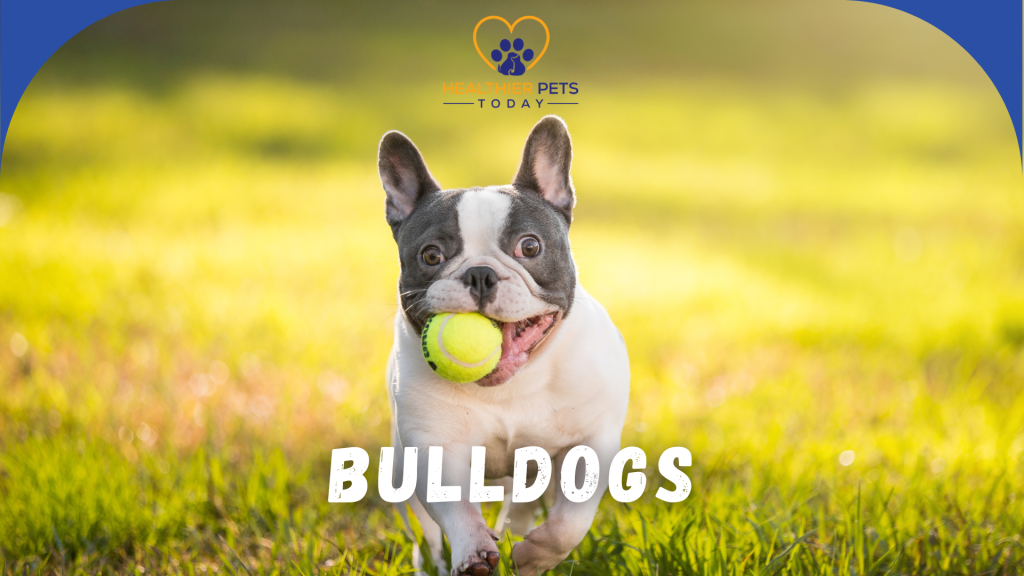
The English bulldog, also known as the bulldog, is renowned for its short, wrinkled face with an underbite, muscular low profile, and wide stance. Bulldogs weigh a solid 40-50 pounds despite their small stature of only 14-15 inches, and the English bulldog life expectancy is around 8 to 10 years. Their lips droop, and their face and necks are covered in numerous folds and wrinkles of loose skin.
Unfortunately, the Bulldog Club of America claims that the dogs were initially used as butchers’ dogs and bull-baiters. However, thanks to generations of careful breeding, they are now peaceful dogs that make excellent four-legged friends.
This article closely examines all the breed has to offer and how to care for it, its origins, illnesses it is prone to, its strengths, and its weaknesses. So, if you want to find out more about this dog breed, just keep reading!
Table of Contents
Traits of the Bulldog
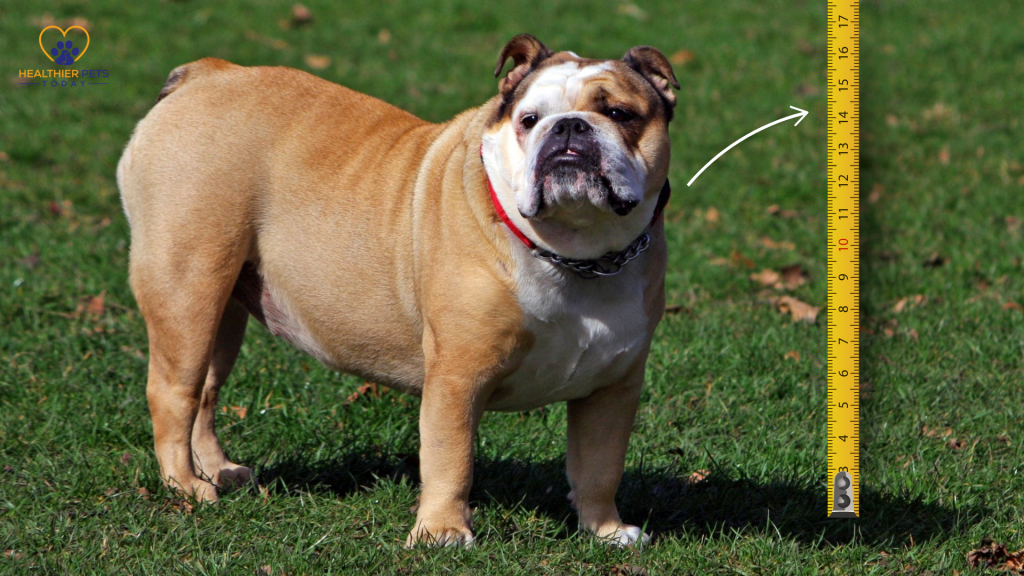
| Height | 14-15 inch |
| Weight | 40-50 lbs |
| Shedding | Medium |
| Breed Group | Non-sporting |
| English Bulldog Lifespan | 8-10 years |
| Energy Level | Calm |
| Temperament | Friendly |
English bulldogs are brachycephalic, short-nosed, and not suited to hot climates. Ensure your bulldog always has access to water, shade, and air conditioning during hot weather, and limit any walks in the neighborhood to the morning and evening hours. This breed is also not known for being very quiet due to their short snouts; they frequently pant and snore. To avoid skin infections, their wrinkled skin will also need regular care. The English bulldog can be an excellent family companion and usually exhibits a friendly disposition. However, they require the proper home to flourish, so pet owners considering English bulldog adoption should know what to anticipate before bringing a bulldog puppy home.
Different Types of Bulldogs
Humans first bred bulldogs in England during the mid-1800s. Over the years, they have become a well-loved breed in various parts of the world.
This popularity has resulted in the development of many different variations and English bulldog names, including:
English Bulldog
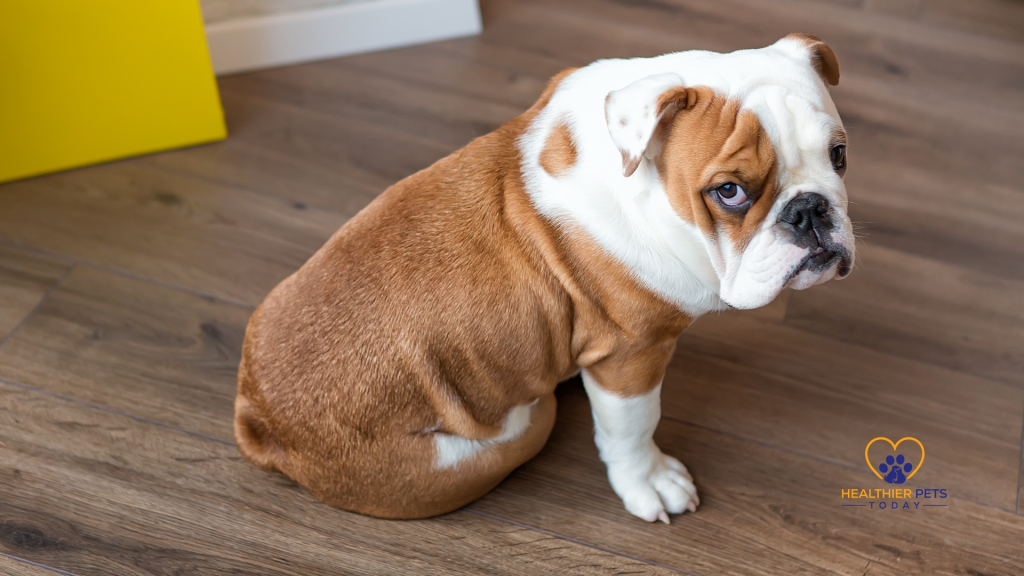
The English bulldog is the first breed of bulldog ever documented, and it came from England in 1864. These bulldogs are the most recognizable, known for their strong and compact bodies that typically weigh between 50 and 60 pounds. Their wrinkled faces and usually light-brown short fur embody the classic bulldog look, which is why many people love to have them as pets.
American Bulldog
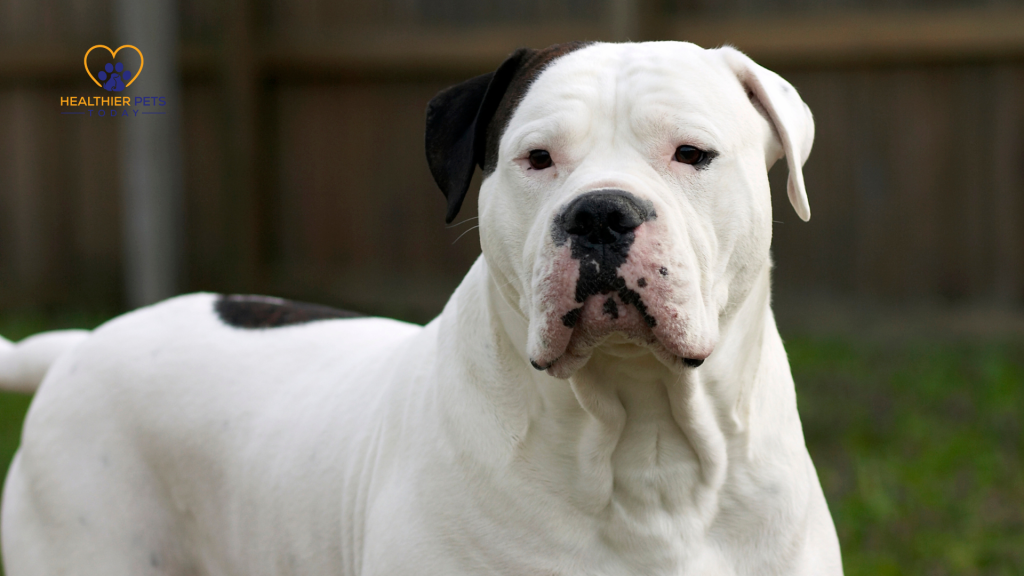
The American bulldog is a taller and usually leaner type, weighing between 60 and 130 pounds. They tend to be gentle and playful with kids and other dogs when socialized correctly. However, they are also known to be quite protective, so it’s essential to train them properly from a young age to prevent any aggressive or reactive tendencies.
French Bulldog
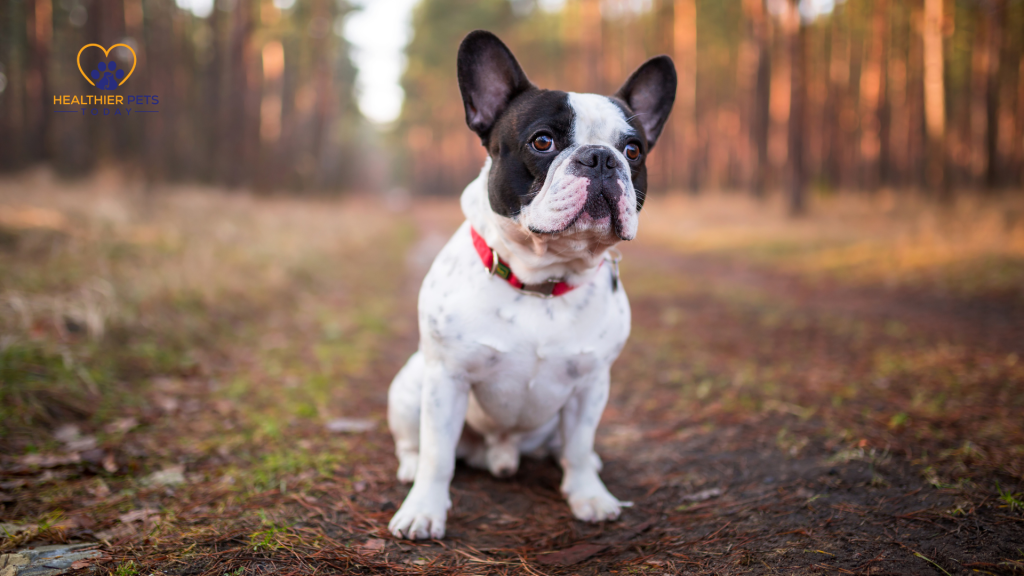
French bulldogs are seen as a stylish pet option. Their smaller size, unique flat face, and pointy ears contribute to their popularity in terms of looks. These little pups typically weigh between 20 and 28 pounds and can live for 10 to 12 years. French bulldogs, or Frenchies, are not just cute; they are also super friendly, curious, and they enjoy being the center of attention. Even though they have moderate energy, they love running around and playing, especially with people.
Olde English Bullogge
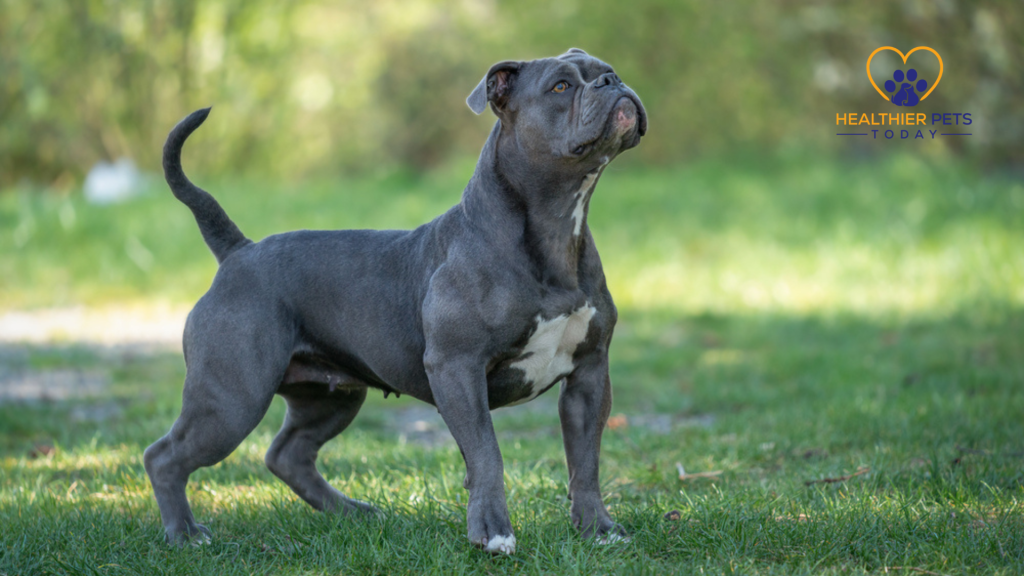
Despite what many people think, the Old English bulldogge is quite different from the English bulldog. These dogs weigh anywhere from 70 to 130 pounds and typically live for about 9 to 14 years. They are known for being loyal and affectionate, but they also have strong personalities. Training them early is essential to understanding that their owner is in charge, not them.
Australian Bulldog
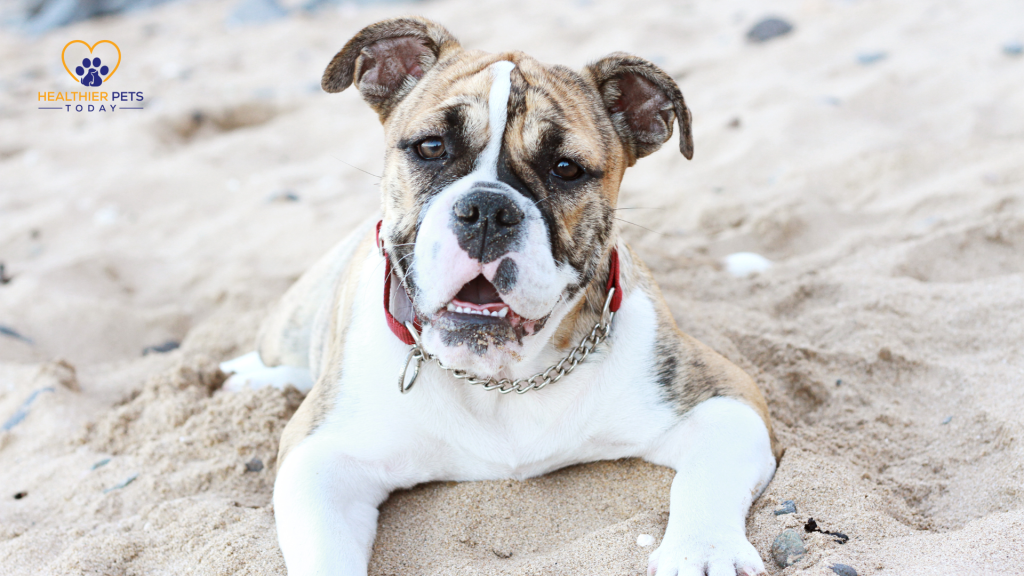
Australian bulldogs look much like English bulldogs but are usually a bit heavier, weighing between 50 and 78 pounds. They have a more dominant personality than other dog breeds, making them very protective of their families. They can also be territorial and are known for being exceptionally smart. Their ability to adjust and their breeding techniques make them less vulnerable to health problems than English bulldogs and other bulldogs. Still, like many bulldogs, they can face challenges with heat and skin issues.
Victorian Bulldog
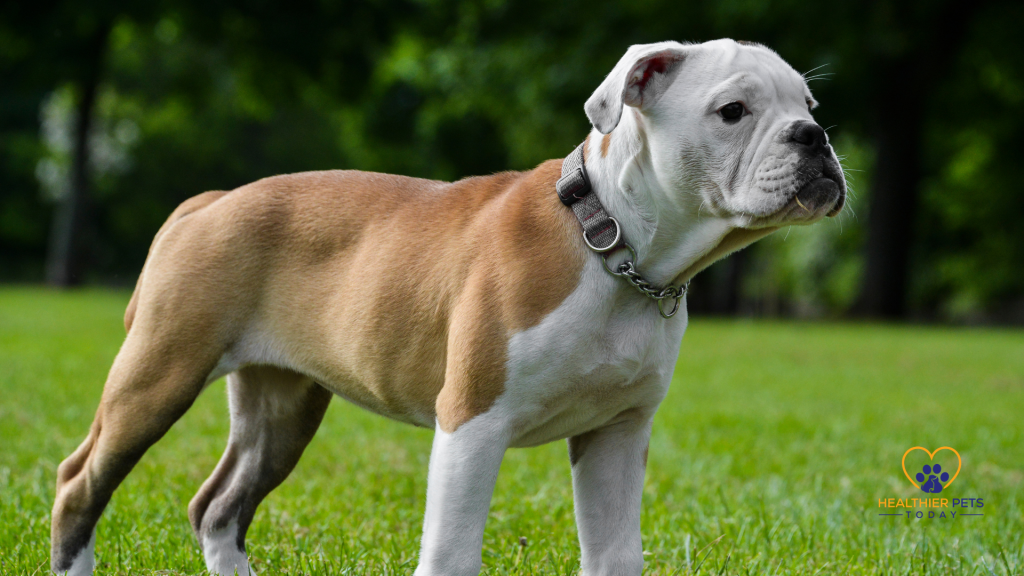
This easygoing and sociable dog was developed to address the health problems commonly found in the original English breed. They possess the charming wrinkles and laid-back nature of a traditional bulldog but are generally more energetic.
Catahoula Bulldog
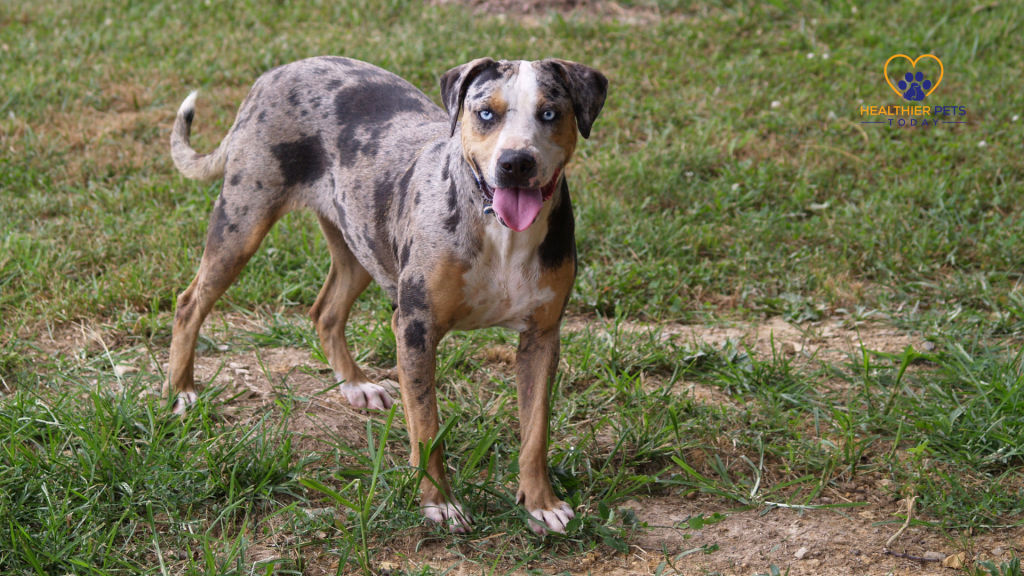
The Catahoula stands out as the one that resembles a traditional bulldog the least. These adorable dogs are a mix of an American bulldog and a Catahoula Leopard, resulting in a taller and more slender appearance. Catahoula bulldogs are recognized for their unique, multi-colored spotted fur, vibrant eyes, energetic nature, and passion for playtime.
Serrano Bulldog
The Serrano bulldog is a strong and muscular dog, but don’t let that fool you; they are very gentle and intelligent. They are known for being protective and loyal and can be trained to behave well as they grow older. Unlike typical bulldogs, Serranos have a unique appearance with a leaner body and triangular ears, similar to the Catahoula.
Common Bulldog Health Problems
The typical English bulldog lifespan is 8-10 years, which is less than usual for a medium-sized dog. The bulldog breed is prone to many health issues due to its distinctive physical characteristics, such as short faces, temperature change sensitivity, excessive skin folds, and an elevated hip position (above the shoulder line). This breed can get pricey because some issues may need lifetime care or surgery to be fixed. Pet insurance is a smart choice if you consider adding a bulldog to your family.
Below are some common health issues in bulldogs:
Skin Fold Pyoderma and Allergies
Excessive wrinkles on a bulldog’s face and neck can develop into skin problems [Pet Health Network]. This is because an English bulldog‘s wrinkles can sometimes retain moisture if not thoroughly dried after getting wet. Commonly known as skin fold pyoderma, the warm, humid environment is ideal for bacteria and yeast growth. Always use a medicated wipe to clean and thoroughly dry the skin folds to help prevent skin fold pyoderma.
This keeps moisture from getting trapped and stops the growth of bacteria and yeast. bulldogs are also frequently affected by allergies, resulting in pyoderma and skin infections. Skin problems can result from food, environmental, and flea and insect allergies. To help control and reduce symptoms, your dog might need a special diet, medication, or medicated shampoo, depending on the allergy.
Brachycephalic Obstructive Airway Syndrome (BOAS)
Brachycephalic obstructive airway syndrome (BOAS) is a common condition in bulldogs. Many anatomical abnormalities, including narrowed nose openings, an elongated soft palate in the mouth, swelling in the larynx, and compressed or distorted nasal passages, can result from the breed’s flat face causing this condition.
These all contribute to breathing difficulties and their tendency to overheat. The English bulldog‘s distinctive snorting and snoring sounds are also caused by their brachycephalic face. Maintaining your bulldog’s health and fitness is crucial because being overweight can worsen symptoms. Some bulldogs even require surgery to correct these anatomical abnormalities to live a healthy life.
Obesity
Obesity is common in English bulldogs, and excess weight can make other health issues worse. Give your bulldogs the correct quantity and quality of food to help avoid unneeded weight gain. This is crucial for all dog breeds but particularly for bulldogs. Exercise can be challenging for these flat-faced dogs because they are susceptible to respiratory issues and heat sensitivity and rely primarily on a good diet.
Entropion
Entropion, or the inward rolling-in of the eyelids (usually the lower eyelids), is a condition the English bulldog is likely to develop. It results in contact between the eyeball’s surface and the outer hair of the eyelid. Eye irritation from entropion can result in redness, pain, swelling, and discharge. Although painkillers and eye products like artificial tears can help with these symptoms, surgery is typically required for long-term relief.
Hip Dysplasia
Bulldogs often face the issue of hip dysplasia, a condition where the hip joint doesn’t work as it should. In English bulldogs, the hip joints are positioned higher than the shoulders, leading to an unusual alignment where the thigh bone (femur) doesn’t sit correctly in the pelvis. This misalignment results in an unstable hip joint, which can eventually cause arthritis and even bone fractures as time goes on.
You can test to see if a dog will likely get hip dysplasia later. Good English bulldog breeders will check their dogs for this genetic issue. If your bulldog ends up with hip dysplasia, there are several ways to treat and manage it over time, like using medications, joint supplements, or even surgery. Keeping an eye on their weight is also crucial since extra pounds can worsen the problem and cause more pain for your pup.
Feeding Your English Bulldog
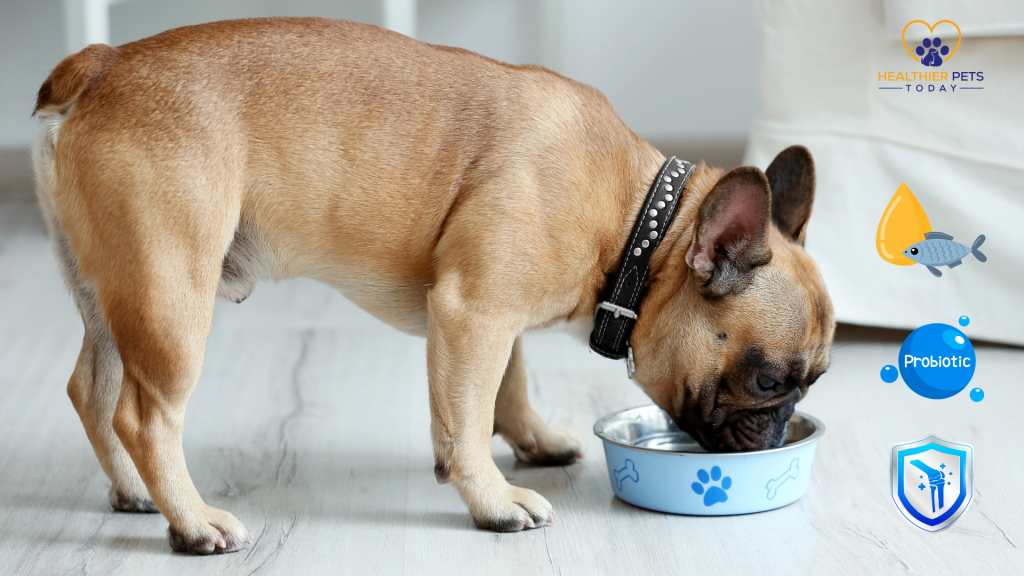
Due to their compact build, it’s crucial to keep bulldogs at a healthy weight. For English bulldog puppies under a year old, you should give them high-quality puppy food that meets the standards set by the Association of American Feed Control Officials (AAFCO). Bulldogs 7 years and older should opt for high-quality senior dog food that is also AAFCO-approved.
You’ll find some dog foods designed explicitly for bulldogs. These breed-specific options have a unique kibble shape that makes it easier for them to eat, along with ingredients that support their gut, joints, and skin health. It’s a good idea to consult your vet to find the best food for your English bulldog. Bulldogs love their food, so it’s important not to overfeed them or give them too many treats throughout the day. Ideally, treats should make up no more than 10% of their daily diet. If your dog is heavier, it’s best to limit treats even more.
When and How Much to Feed Them
Feeding a bulldog is pretty straightforward. For adult bulldogs, it’s best to give them two meals a day, one in the morning and another in the evening [AnimalLife]. However, if you have a puppy, they’ll need to eat more often – around three to four times a day. Some bulldogs might need a slow feeder bowl to help them take their time while eating. This can prevent issues like regurgitation or even aspiration pneumonia.
You can also use puzzle toys that make your dog work a bit to get their food. It’s a fun way to keep their minds engaged! To figure out how much to feed your bulldogs, you should start with their ideal weight. Check the feeding guidelines on the dog food packaging approved by AAFCO, and don’t hesitate to ask your vet for advice on portion sizes that fit your bulldog’s age, lifestyle, and health needs.
Nutritional Advice for Bulldogs
Given their specific health needs, several dog supplements can support your bulldogs’ overall well-being.
These include:
- Omega-3 fatty acids, which you can find in fish oil and certain dog food brands.
- Joint supplements that have glucosamine.
- Probiotics.
- Immune-boosting supplements are also beneficial for dogs with allergies (most of these include fish oils).
Chat with your vet to determine which supplements are best for your English bulldog.
Bulldog Temperament and Personality
The English bulldog is known for being friendly, loyal, and great with kids and pets [PetMD]. The breed standard describes them as “equable and kind, resolute and courageous.” Like any dog, Bulldogs thrive on proper training and socialization to help them become confident and well-behaved. Even though they have a reputation for being couch potatoes, bulldogs need daily exercise.
They don’t require much activity, but a little bit can do wonders, especially for those carrying extra weight. For bulldogs that have or are at risk of brachycephalic obstructive airway syndrome, exercise can be tricky. It’s best to stick to short, leashed walks in cooler weather, around 10-15 minutes at a time. On hot days, playing fetch indoors or using a puzzle toy can keep them entertained without overdoing it.
Training Your Bulldog
Start training and socializing your English bulldog puppy as soon as possible. Bulldogs, like all dogs, thrive on positive reinforcement. Keep an eye on the number of treats you use during training since too many can cause weight gain. Ideally, treats should only account for about 10% of your dog’s daily calories.
Fun activities for bulldogs include:
- Going for walks
- Playing in the backyard or indoors
- Tug-of-war games
- Snuggling and napping
Grooming Guide to Bulldogs

The English bulldog has a short and smooth coat that sheds a moderate amount. They can have many colors and patterns, like red, white, fawn, or brindle. Whether your English bulldog is white or brindle, their wrinkly skin needs attention and grooming. To keep them healthy, dog owners must be careful and consistent when caring for their skin and coat.
Bulldog Skin Care
Bulldogs have many wrinkles and folds on their face, neck, and tail that need to be checked and cleaned daily. You can use a soft, dry cloth or special wipes made for dogs to remove any dirt carefully. Make sure to dry the wrinkles thoroughly after cleaning them to stop bacteria from growing in any leftover moisture.
Caring for Their Coat
English bulldogs need a bath every week or every two weeks. Paying extra attention to their skin’s wrinkles and folds is essential. After bathing them, or if they get wet, clean out any dirt from their wrinkles and dry them gently with a soft cloth. This helps stop any skin infections. Also, brushing your English bulldog with a soft brush once a week is a good idea to keep their coat healthy.
Bulldog Eye and Ear Care
English bulldogs might have some problems with their eyes or allergies that can lead to eye discharge, so it’s a good idea to clean around their eyes regularly. You can use safe wipes for pets, but remember to dry the skin thoroughly after you wash it. Talk to your vet if you see any changes in your dog’s eyes. After each bath, use a vet-approved cleaner to wipe your bulldog’s ears. This helps keep them safe from ear infections.
Considerations to Keep in Mind
If you’re considering getting a bulldog, there are a few essential things to consider. First, you should know about the health problems that can come with this breed, how they don’t handle heat very well, their weight needs, and how much grooming they need.
These factors are essential because they can change how you live with an English bulldog. They might need regular vet visits, surgery, or a specialist to help with their health issues. But if you’re a pet owner who understands what bulldogs need and is prepared to care for them, you’ll have a loyal and loving friend.
FAQs
Is a bulldog a friendly dog?
Yes, a bulldog is usually seen as a friendly dog. They are known for being loyal and having a good temperament, which helps them get along well with kids and other pets. This makes them a popular choice for families.
Are bulldogs high maintenance?
Yes, bulldogs are often seen as high-maintenance pets since they need a lot of care and attention. They tend to have various health problems, must be groomed regularly, and even get exercise daily.
How expensive is a bulldog?
The English bulldog price is typically between $1500 and $2000, while a French bulldog usually costs about $2500. On the other hand, an American bulldog can be found for around $1200 to $1500.
How long do bulldogs live?
The typical lifespan of an English bulldog ranges from 8 to 10 years, but there are cases where some dogs have lived even longer.