


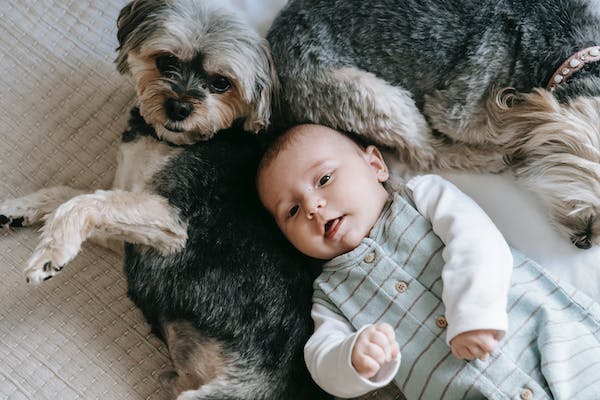
Let’s talk about introducing dogs and babies. Bringing home a new baby is such an exciting time for any family. However, welcoming this little one also means making sure your current furry family member feels included. Your pup has been the center of attention for so long, so a new child in the house can stir up many feelings. It is essential to prepare your doggo for this change and help them understand their role. Introducing dogs and babies gently will set the stage for a loving bond between them.
Table of Contents
Introducing Dogs and Babies

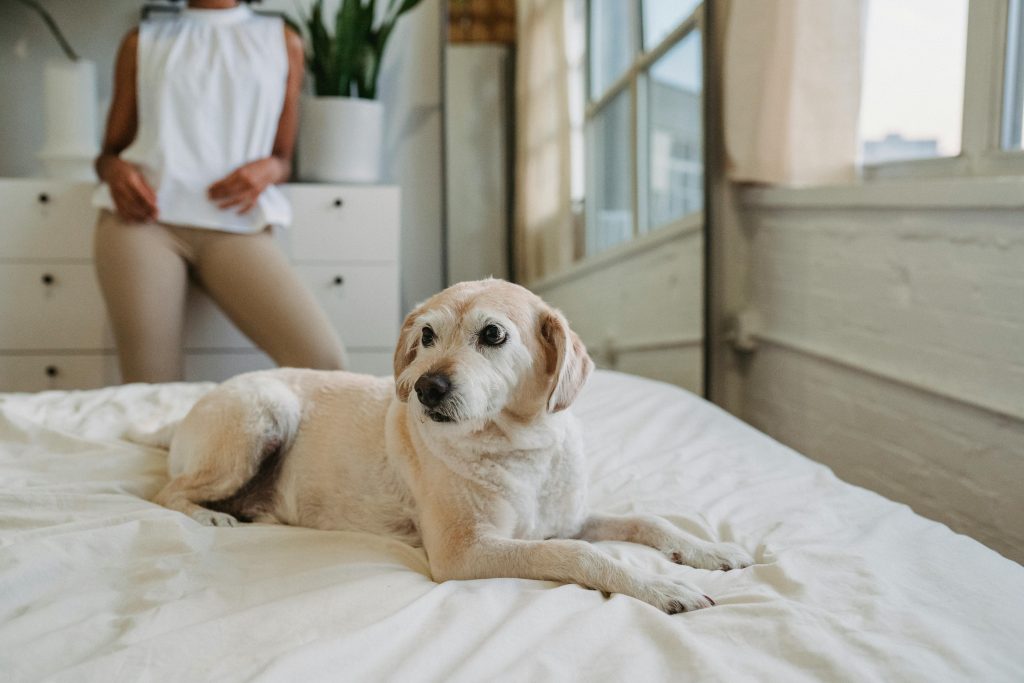
Going slowly during the first meetings is critical. Allowing the pup to smell a blanket or toy with the baby’s scent before an in-person meeting helps them adjust. Supervise closely at first as they adapt to each other’s presence. Praise the pup for calm behavior, near baby. With patience and positive reinforcement over time, both will feel comfortable together. Soon, they may even become best friends, bringing more joy to your growing pack.
Preparing Your Pooch for Change
Preparing your baby puppies take some work before the little one comes. It’s crucial to reinforce simple commands like sit, stay, and leave it. Practicing obedience will help you maintain authority and guarantee safety for your dog and newborn. Slowly decrease one-on-one time with your furry friend to prepare them for an altered schedule. Spend less periods lavishing love and playing. Instead, substitute short training sessions to keep them mentally stimulated. Redirect excess energy to approved toys if they seem restless. With patience and consistency, your dog will adjust to sharing attention once the baby arrives. Just be sure to find moments for walks, pets still, and play to reassure your pup they remain an essential part of the family.
Familiarizing Your Dog with Baby Items

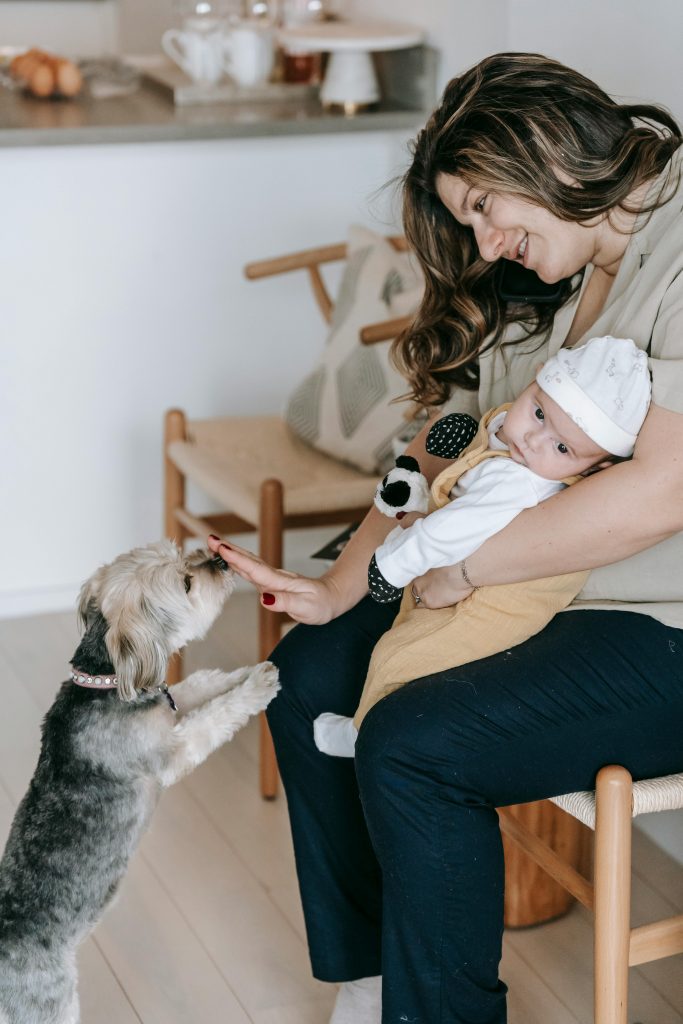
Dogs are susceptible to new scents and sounds. Introduce your dogs and babies should include baby -related items, such as blankets, clothes, and toys, to familiarize them with the new smells. Allow your dog to sniff and explore these items under supervision, associating positive experiences with the baby’s belongings.
Acquainting Your Puppy with the Baby’s Spaces
It is best to slowly introduce your puppy to the baby’s areas in your home. To begin, supervise your dog when they are in the nursery or other rooms designated for the infant. This helps your canine become familiar with the new surroundings while also connecting good moments with the presence of the baby. Give your pup rewards like treats and enthusiastic praise whenever they demonstrate relaxed and soft behavior near the places for the child. Pay close attention so your dog associates positive reinforcement with being calm around the spaces that will belong to the new family member. Start with brief periods together until your pup understands gentle interaction, which is expected when the baby is near. Gradually increase time spent with supervision to establish calm habits from the beginning.
Managed Introductions Between Pets and Infants
When welcoming a new baby into the home, carefully managed introductions between the infant and any pets are extremely critical. To start, keep interactions brief and supervised while the dog is on a leash.
Positive Reinforcement for Building a Strong Bond
Positive reinforcement is crucial for forming a good bond between your dog and the new baby. Your dog must associate the baby with positive experiences and affection. Whenever your dog acts in a calm, gentle manner around the infant, make sure to reward them with treats or praise. Providing treats and petting your dog consistently when they interact with the baby respectfully will reinforce this good behavior. With time and consistency, your dog will understand that being soft and peaceful near the child results in rewards. This approach helps build trust between your furry friend and the latest addition to the family.
Gradual Exposure and Supervision
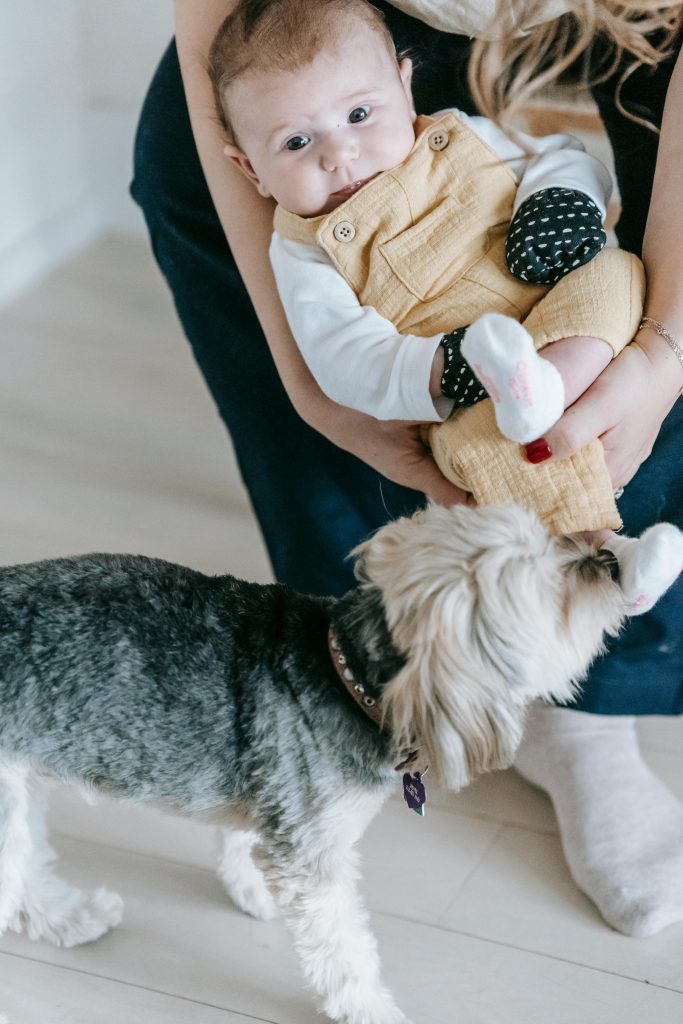
As your dog grows more accustomed to the new baby in the home, you can gradually allow extended periods when they are together under your close supervision. Initially, keep visits brief to help your pet adjust in a low-pressure way. With oversight, permit their exposure to increase over several meetings. This lets the dog feel at ease in the baby’s presence without quickly becoming overwhelmed. Praise calm demeanors and gently redirect any unwanted actions. Be attentive for signs of unease from either party and intervene promptly if needed. The goal is for them to bond peacefully through patient introduction. Safety remains the top concern whenever a furry friend and infant share space.
Maintaining Consistency in Daily Routine
While alterations have occurred within the household, preserving your dog’s regimen and supplying them with the required notice is indispensable. Consult family or employ a pet sitter if needed to ensure your dog continues receiving the treatment and fondness they are accustomed to. During times of change, it is essential to maintain consistency for your canine’s well-being and peace of mind. Work with others to share in walking, playing, and bonding with your pup so they still feel loved and cared for each day, even during adjustments. A consistent routine and attentive presence can help your dog adapt smoothly during transitions.
Can My Newborn Be Allergic to The Dog?
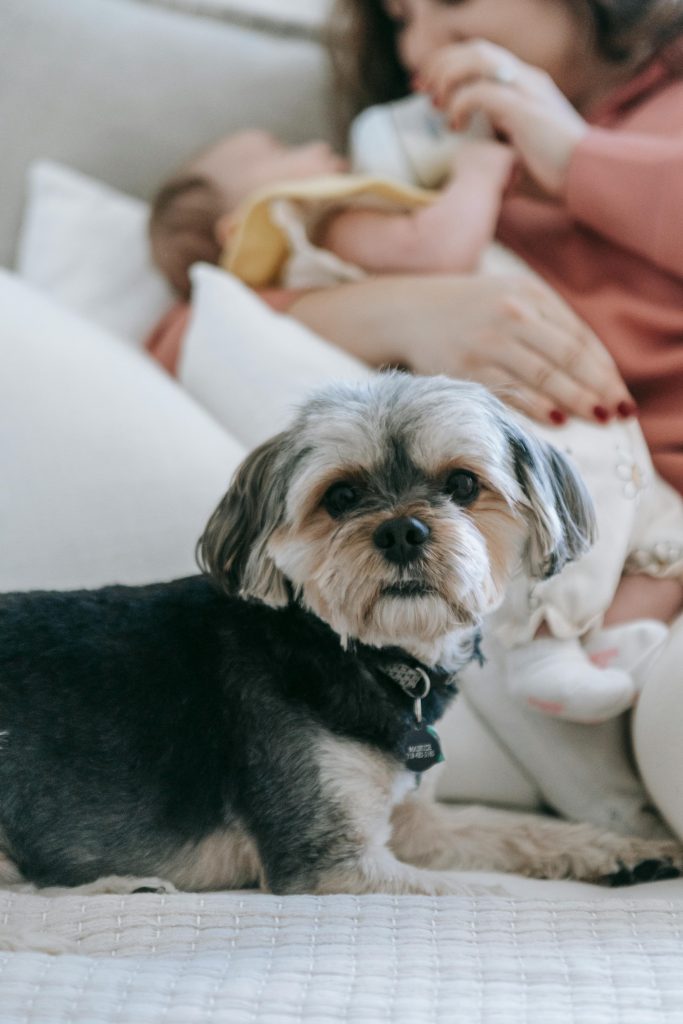
Yes, newborns can be allergic to dogs—allergies happen when the immune system responds to usually harmless substances called allergens. Pet-related allergens often include proteins found in a dog’s saliva, pee, and dander (small, airborne particles of skin shed by furry or feathered animals). Though allergies can appear at any time, they often surface during childhood.
If you have a dog and are concerned about potential allergies in your newborn, here are a few things you can consider:
- Family History: If there is a family history of allergies, asthma, or other allergic conditions, the risk of a child developing allergies may be higher.
- Observation: Watch for any signs of allergic reactions in your newborn, such as sneezing, runny nose, watery eyes, skin rashes, or respiratory issues. If you notice any concerning symptoms, consult with a healthcare professional.
- Environment: Keep your home clean and well-ventilated. Regularly vacuum and dust to minimize the presence of pet dander.
- Pet Care: Bathe your dog regularly and clean their bedding to reduce allergen exposure. Designate specific areas of your home as pet-free zones.
- Consult a Healthcare Professional: If you suspect your newborn may have allergies, consult your pediatrician. They can help determine the cause of the symptoms and recommend appropriate measures or treatments.
It’s important to note that removing a pet from the home is not always necessary, and many families successfully manage pet allergies by taking steps to reduce allergen exposure. Always seek advice from healthcare professionals for personalized guidance based on your child’s situation.
Harmonious House
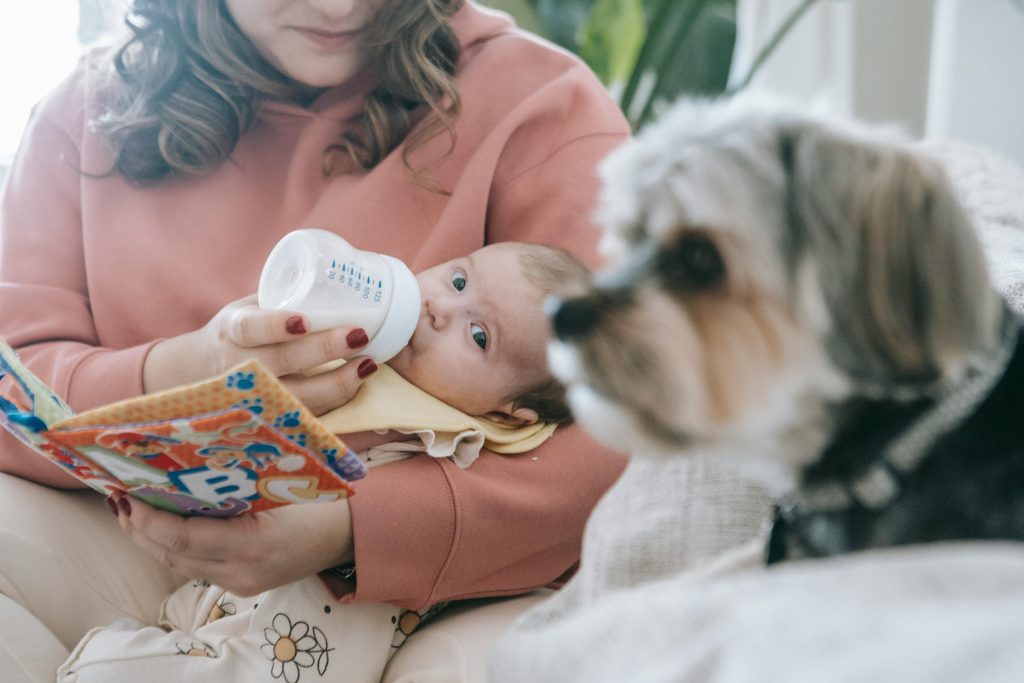
Wrapping things up and bringing your pup and newborn together is a process that necessitates tact, preparation, and praise. Gradually getting your dog used to the infant through short, positive interactions where they gain rewards for calm behavior around the baby will result in acceptance. With time and patience, supervised meetings and play dates can occur without stress as your dogs and babies get comfortable with each other and you canine companion realizes babies are not a threat but new pack members. By continuously reinforcing calm and kind manners near the child, you set the stage for a peaceful bond to form between them as they both grow within the safe, nurturing home filled with your love and care.