



According to Green Matters, most garden snakes are harmless, but they hurt your canine if provoked. And who wants that? Let’s take a look at the most common types of garden snakes, how to spot one, and some safety tips that could save your dog’s life!
Table of Contents
8 Types of Garden Snakes
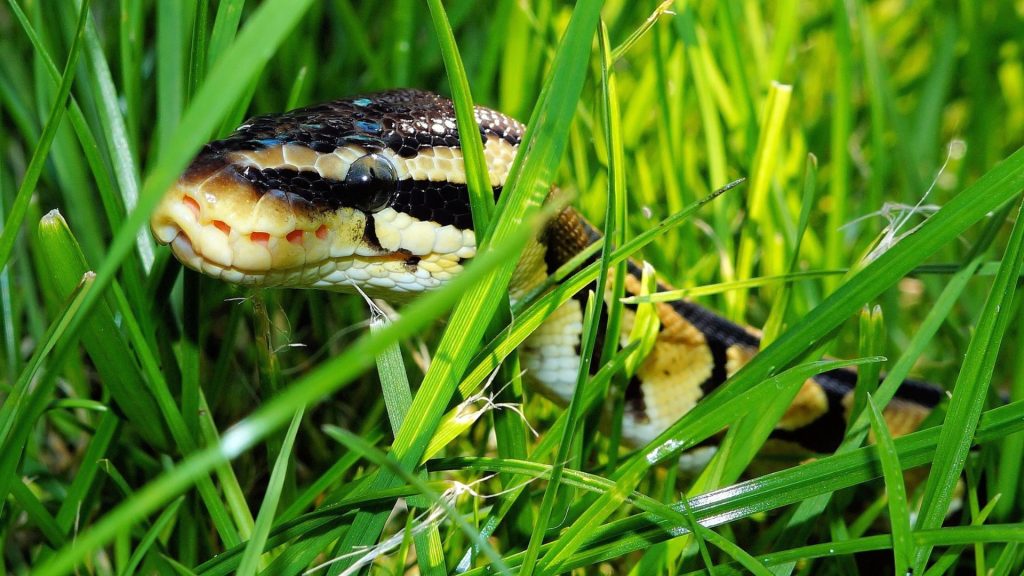
35 different types of snake species are classified as garden snakes. Let’s take a look at the 8 most common snakes, what they look like, and if they are venomous.
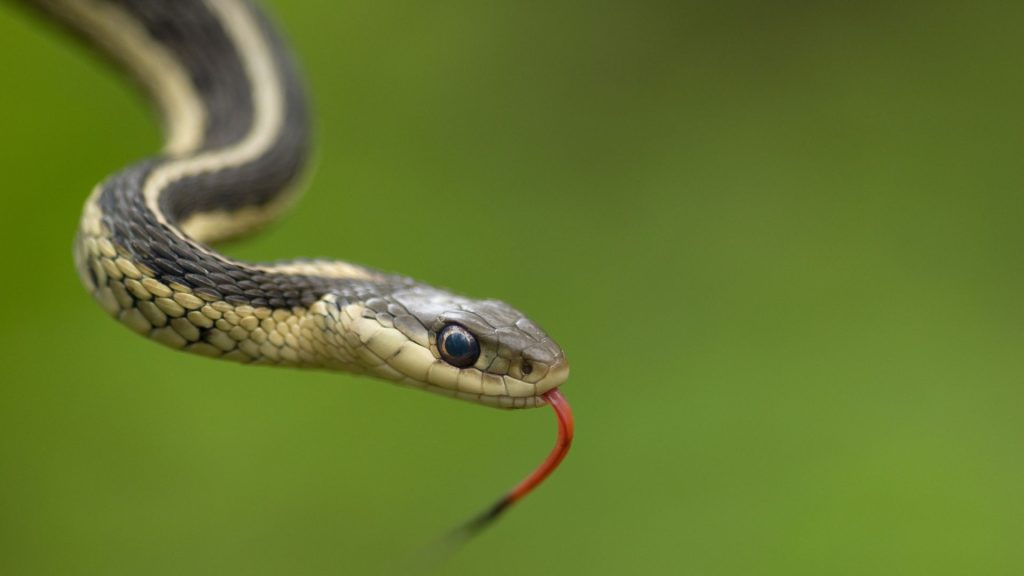
- Common Garter Snake
- Size: These snakes are typically 18 – 26 inches but can be as long as 48 inches.
- Color: They are either dark green, brown, or black and have stripes on their backs. These stripes can be yellow, white, or light green.
- Venomous: Common garter snakes produce mild neurotoxic venom. This is not very dangerous to dogs, so you don’t have to be alarmed.
- Black-necked Gartersnake
- Size: The black-necked garter snake is about 42 inches, much bigger than the common garter snake.
- Color: This snake has an orange-yellow stripe around their neck and a dark green body.
- Venomous: These snakes aren’t venomous.
- Thamnophis Saurita
- Size: They can be anywhere between 16 and 35 inches long.
- Color: The body is either brown or black with 3 yellow or white stripes.
- Venomous: They aren’t venomous.
- Checkered Garter Snake
- Size: The average length is about 28 inches but can be as long as 42 inches.
- Color: This snake got its name for its look. They have a black checkerboard pattern with a green body!
- Venomous: This snake does not have venom.
- Bulter’s Garter Snake
- Size: They can be as small as 15 inches to 29 inches.
- Color: Their bodies are brown with a white to yellow stripe sequence.
- Venomous: Butler’s garter snakes aren’t venomous at all.
- Western Ribbon Snake
- Size: These snakes aren’t big. They are about 20 to 30 inches long.
- Color: They have 3 stripes, orange and yellow stripes, with a brown and blackish body.
- Venomous: This garden snake is not venomous.
- Two-striped Garter Snake
- Size: This snake is incredibly small! They are only 2-3 inches long.
- Color: As the name suggests, they only have 2 stripes and are yellow and white. Their little body is either olive brown, gray, or dark brown.
- Venomous: Their venom is very weak and should be pretty harmless to dogs.
- Narrow-headed Garter Snake
- Size: Females are bigger than the male snakes. They are only 4 feet long.
- Color: This garter snake has an olive-brown or gray body. Most of these snakes have stripes on their body, but some narrow-headed snakes have spots.
- Venomous: This small snake is non-venomous.
How to Spot These Snakes
Snakes are really good at hiding, so spotting one is not that easy. They usually hide under rocks or leaves in your garden. So, what can you do to ensure your dog’s safety? Just follow our safety tips from experts! Let’s take a look.
Safety Tips for Dog Owners


There are many ways to keep your dog safe from these pests. You can supervise, teach them commands, secure your garden, and more. Here is a closer look!
Supervise
When your dogs play outside, keep an eye on them. As the name suggests, these snakes are found in gardens. So, steer clear of watery areas, long grass, and where prey is typically found.
Teach your Canine Commands


Garden snakes typically attract or bite when they are provoked. So, dogs need to be taught commands to ensure their safety.
Commands to teach your dog:
- Leave it
- Come
Secure your Garden
Snakes like an attractive garden!
Here is how you can change that:
- Remove debris
- Cut your grass
- Take away piles of wood
Look for Signs
Knowing the signs might save their lives if a snake bites your dog.
Contact the veterinarian if you notice any of the following:
- Swelling
- Pain
- Changes in their energy
FAQ’s
Should I take my dog to the vet if it ate a snake?
Yes, take your dog to the vet and try to keep them calm.
Why do snakes attack dogs?
Snakes attack when they feel threatened. Dogs typically bark and charge for snakes which makes snakes think that they are in danger. Just like any other animal, they protect themselves. Snakes can spit and bite dogs.
What is the best way to keep snakes out of my garden?
There isn’t a simple solution. Try to remove debris, keep your grass short, and ensure that they don’t have hiding spots like piles of wood.
Conclusion
Garden snakes aren’t very dangerous, but they can cause dogs to swell, have pain, and reduce their energy levels. So, how do you prevent this from happening? You can supervise your dogs when they are outside, teach them commands like “leave it” or “come,” and secure your garden.