
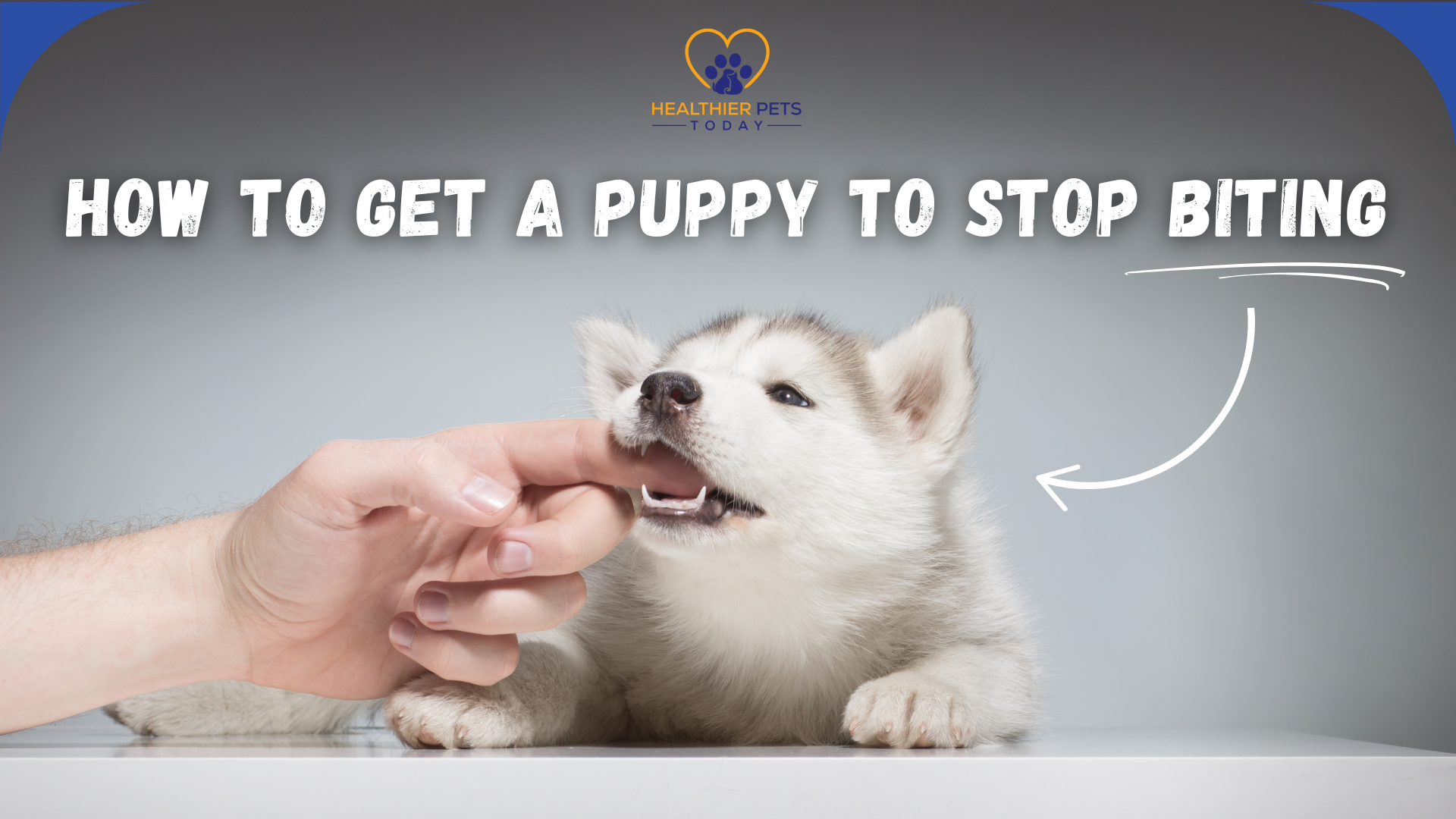
Puppies love to chomp and nibble, and it’s understandable to wonder how to get puppy to stop biting. Those tiny teeth can feel like a big challenge. And it’s okay to feel frustrated, but stress no more because this guide has all the tips and tricks you need. It’ll explain why puppies bite to begin with, what mistakes to avoid, and easy-to-follow methods to stop this habit.
With the proper understanding, the biting phase fades fast!
What Is the Puppy Biting Phase?

Puppies chew and nip a lot because it’s how they explore the world, like babies grabbing toys. Puppies use their mouths to learn and play. About 80% of puppies bite a lot between 6 and 12 weeks, studies say. This is normal and usually slows down by 6 months with good training.
Puppies don’t mean to cause pain. Their teeth are sharp, and they’re still learning what’s okay and what’s not. Biting starts quite early on, but thankfully fades as they get older. Dogs and chewing, by design, go hand-in-hand. So, let’s gain a better understanding of exactly why they undergo this stage.
Why Do Puppies Bite?
Puppies bite for many reasons, not just to play. It’s a natural part of growing up, and understanding why it happens helps you know how to navigate and support them. About 70% of puppies bite to learn or play, surveys say.
Here are five common reasons for puppy biting:
- Teething Pain: Puppies typically develop new teeth between 3 and 6 months of age. Finding things to chew and gnaw on eases their sore and irritated gums. This phase passes as adult teeth grow in, just like humans.
- Exploring the World: Puppies use their mouths to learn, like kids use their hands. They nibble to understand objects or those around them. This is normal, but they do still need guidance. Most puppies explore this way until about 6 months, when they learn better habits.
- Playtime Fun: Biting is part of puppy play. They nip to have fun or get attention. Training makes playtime calmer.
- Getting Attention: Puppies bite to get noticed. If they nip and someone reacts, they learn that biting works. Gently addressing bad bites and praising good behavior helps. This stops the habit early. Most puppies try this to connect with people, but they can learn better ways to do so.
- Extra Energy: Puppies with lots of energy tend to bite more by 50% [peachonaleash.com]. They chew to burn off their big excitement. Taking pups for a daily walk or playtime helps to calm them.
Common Mistakes That Make Biting Worse
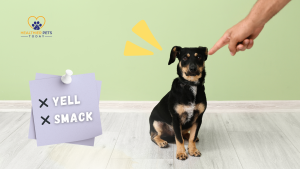
Sometimes owners may react in ways they don’t know can make things worse. It can feel like a normal reaction, or you think it’s helpful. Knowing what not to do keeps the process smooth and shorter.
Here are six mistakes owners tend to make:
Yelling or Hitting
Shouting or smacking a puppy for biting can scare them. Which in turn might make them bite more out of fear and defense. Staying calm and redirecting to a toy is much more effective. According to studies, approximately 90% of puppies respond better to calm training [packleaderdogs.com].
Letting Bites Slide
Ignoring bites teaches puppies it’s okay to nip. This makes knowing how to keep a puppy from biting harder later easier. Stopping play when biting happens sets clear rules. Most puppies learn faster with consistent responses. Acting early prevents the habit from growing into a bigger problem.
Giving Unsafe Items
Allowing puppies to chew on unsafe items, such as sticks, can cause damage to their mouths and teeth. Is it bad for dogs to chew on sticks? Yes, sticks can splinter and cause injuries. Quality chew toys are better. According to surveys, about 70% of puppies prefer safe options over bad items when it comes to chewing [akc.org].
Rough Play
Playing rough, such as wrestling, can encourage biting. Puppies think nipping is part of the game. Gentle play, like fetch, teaches calm behavior. Most puppies bite more during rough games. Switching to soft play helps them learn to keep their teeth away, making training easier.
Not Redirecting
Not giving puppies something else to chew makes biting worse. They need safe items to bite instead of their hands. How to get your puppy to stop biting starts with redirecting to toys. Offering a toy every time they nip works. This teaches them what’s okay to chew.
Skipping Exercise
Puppies with too much energy bite more. Without walks or play, they chew to release the tension. Daily activity calms them down. About 60% of puppies bite less with regular exercise, studies say [tractive.com]. Adding playtime or short walks helps stop biting and keeps puppies happy.
How to Get Puppy to Stop Biting
Simple steps can help prevent a puppy from biting too quickly. These tips help establish good habits and keep things enjoyable. Dog chewing doesn’t have to be a problem.
Here are five ways to help:
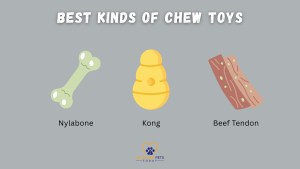
- Use Chew Toys: Offer safe chew toys to prevent damage. They keep puppies busy and ease teething. Redirect biting to toys. This works for most puppies.
- Stop Play for Bites: Pause play when a puppy bites. Turn away for a few seconds. This teaches biting ends fun. Consistency helps puppies learn fast.
- Teach Gentle Bites: Reward soft bites with treats. Ignore hard bites. This shows that gentle is better. Most puppies learn in a few weeks.
- Add Exercise: Engage in daily walks or playtime to burn energy. Tired puppies bite less. Try fetch or short games. About 50% of puppies calm down with activity, surveys say [poochandmutt.co.uk].
- Use Time-Outs: If biting doesn’t stop, give a short time-out in a quiet spot. This calms the puppy. It teaches biting to stop play. Use it sparingly.
Conclusion: Will the Puppy Stop Biting?
Puppies bite, but it’s a phase that fades with the proper steps. Avoiding mistakes like yelling or rough play helps a lot. Using chew toys, pausing play, and adding exercise teaches good habits. With patience, biting stops, and new dog owners enjoy a calm, happy pup.
Check out the Healthier Pets Today online store for safe and high-quality pup products!
FAQs
Why does a puppy bite so much?
Puppies bite to explore or play. It’s normal for young pups. Chewing toys and calm training help. The phase typically subsides within 6 months.
How long does the biting phase last?
Most puppies bite less by 6 months. Training and toys speed it up. Every puppy is different. Consistency makes it stop sooner.
Is it okay if a puppy nips during play?
Light nipping is normal in play. Redirect to toys to teach gentle habits. Stopping play for hard nips helps. It’s part of learning.
Can chewing be stopped altogether?
Puppies need to chew, but bad biting can be stopped. Offer safe toys and train early to ensure dog chewing does not get out of hand.
Why do dogs chew bones?
Bones feel good on achy teeth. However, they can often splinter or be too hard for a small puppy’s teeth to chew.
Are some breeds more likely to bite?
Some breeds are more prone to biting due to their energy levels or instincts. Training works for all breeds. Consistent rules help. Every puppy can learn.
When should biting be a worry?
Biting that turns aggressive, such as growling, requires attention. If it lasts more than 6 months, consult a veterinarian. Early training usually prevents this.
Can training classes help with biting?
Puppy classes teach good habits and stop biting. They’re great for socialization. Trainers offer tips. Check with a vet for local courses.
Do treats help stop biting?
Treats reward gentle behavior and work well. Use small, safe treats. They motivate puppies to stop biting.
What if a puppy continues to bite after training?
If biting doesn’t stop, try increasing exercise or introducing new toys. Consistent training helps. If the problem persists, consult a veterinarian for advice.
Why do dogs chew on sticks?
Sticks feel fun to grab and chew. Teaching gentle play stops rough bites. About 60% of puppies bite during play, studies say [petmd.com].
Our articles are researched, edited and regularly reviewed. Sources and references supplied in the article remain part of the published content.


