



Worried your dog might be showing early signs of kidney trouble? You’re not alone. Kidney disease in dogs is serious, but spotting the warning signs early can make all the difference. From unusual drinking habits to subtle changes in behavior, knowing what to watch for can help you act fast. This guide breaks down what kidney issues are, why they happen, and, most importantly, how you can support your dog’s health. It’s simple, clear, and made to give you peace of mind.
What Are Kidney Issues in Dogs?
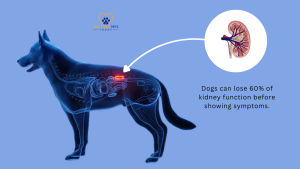

Kidneys clean a dog’s blood and get rid of waste through pee. When kidneys don’t work right, waste stays in the body, and the dog gets sick. Dog kidney disease can develop slowly or rapidly, and approximately 50% of cases in older dogs are chronic, according to studies. Knowing as much as you can about chronic kidney disease (CKD) in dogs helps you watch your own closely.
What Causes Kidney Issues in Dogs?
Kidney issues can stem from various causes, such as aging or consuming contaminated food. They are more common in older dogs, but young dogs can also develop them. Kidney problems in dogs have specific causes you can watch for.
Here are the main ones:
Getting Old
Older dogs’ kidneys can wear out over time. This is a common occurrence in dogs over 7 years old. Approximately 80% of long-term cases are attributed to aging, according to studies. Vet visits help find it early.
Infections
Germs from bladder problems can hurt the kidneys. These germs move up and cause trouble. Keeping your dog’s urinary system healthy stops this. Clean water helps a lot.
Poisons
Things like antifreeze or certain plants can harm the kidneys quickly. Dog kidney failure often comes from poisons, with 60% of sudden cases linked to them, studies say. Keep nasty stuff away from your dog. Check your home for dangers.
Breed Problems
Some breeds, such as Shih Tzus or Samoyeds, are predisposed to kidney risks from birth. These can appear early or late. Knowing your dog’s breed helps you stay alert. Vet checks catch these problems soon.
Early Signs to Watch For
Identifying kidney issues early can help keep your dog healthier for an extended period. Signs of kidney disease in dogs often start small, so it’s essential to look closely. According to surveys [hillspet.co.za], approximately 70% of owners notice these signs before the issue worsens.
Here’s what to notice:
Drinking and Peeing More
Dogs with kidney issues often drink a lot of water and urinate frequently. You might see them at the water bowl usually, or asking to go out more. Symptoms of kidney failure in dogs include this because the kidneys can’t hold water well. Look for new habits like this.
Not Eating Much
Your dog may not want to eat or skip treats. This can make them lose weight. If your dog stops eating for a few days, it’s a sign. Watch their eating closely.
Feeling Tired
Kidney issues can cause dogs to become sleepy or weak. They might not play or walk like they used to. Waste in the blood makes them feel bad. Check if your dog acts less active.
Throwing Up or Bad Breath
Dogs might throw up or have smelly breath, like ammonia. This happens when waste builds up. If breath changes or vomiting occurs frequently, it’s a clue. These signs show up early.
How Are Kidney Issues Found?

Vets use tests to find kidney problems. Kidney failure in dogs requires prompt evaluation to determine the underlying cause. According to studies, approximately 90% of cases can be detected with simple tests [bluecross.org.uk].
Here’s how vets do it:
Blood Tests
Blood tests look for high levels of waste, such as creatinine. These indicate that the kidneys aren’t filtering blood effectively. Veterans undergo a blood test. Results come fast and show how bad it is.
Pee Tests
Pee tests check if the kidneys make strong pee. Weak pee or protein in it means trouble. You might collect pee at home for the vet. This helps know what’s happening.
Pictures of Kidneys
X-rays or ultrasounds can show the size and shape of the kidneys. They find stones or damage. These tests are fast and don’t hurt your dog. They help vets see the kidneys.
How Are Kidney Issues Treated?
Helping with kidney issues makes dogs feel better and live longer. Treatment depends on the severity of the dog’s illness. Early help works best, even if there’s no cure for long-term issues.
Here’s what happens:
Water Drips
Veterinarians administer fluids through a vein or under the skin to help clear waste. This allows dogs to feel less sick and more active. It’s used for both sudden and long-term kidney problems. It makes a big difference.
Medicines
Medicines help with throwing up or high blood pressure. They keep the body balanced. Vets choose medication for your dog’s needs. These help your dog feel good.
Special Food
Exceptional food with less protein helps the kidneys rest. Vets suggest this food for kidney issues. It makes dogs feel better and slows damage. Consult a veterinarian for advice on the best food for your pet.
Food Tips for Dogs With Kidney Issues
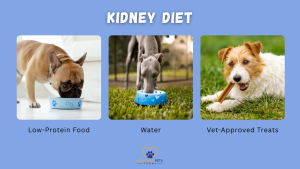
Good food helps dogs with kidney issues stay stronger. A diet for dogs with kidney disease needs to be easy on the kidneys but still appetizing. The right food keeps your dog going longer.
Here’s how to feed them well:
Low-Protein Food
Food with less protein is easier on the kidneys. Special vet foods are made for this. According to studies, approximately 80% of dogs on this food experience improvement. Ask a vet for good food choices [vcahospitals.com].
Lots of Water
Dogs require a significant amount of water to eliminate waste. Always keep fresh water out. Wet food adds water, too. This keeps your dog hydrated and happy.
Safe Treats
Use treats low in phosphorus to protect kidneys. Regular treats can hurt them. Vets can suggest treats dogs love. This allows your dog to enjoy snacks without harm.
Conclusion: Can You Help Your Dog?
Kidney issues are serious, but catching them early can make a significant difference. Look for signs like increased thirst, decreased appetite, or fatigue, and act promptly. Veterinary care, water, medication, and a balanced diet can help your dog feel better.
Check with a veterinarian if you notice any changes, and keep your dog happy with love and affection!
FAQs
What is kidney disease, and how does it work?
It’s when a dog’s kidneys can’t clean blood well. Waste builds up, and the dog feels sick. Early care helps them stay comfy longer.
How can I determine my dog’s heart rate for potential kidney issues?
Heart rate isn’t used for kidney problems. Look for signs like increased thirst or decreased appetite. Vet tests check the kidneys better.
Can walking help dogs with kidney issues?
Easy walks keep dogs active and happy. They don’t fix kidneys, but help with energy. Consult a veterinarian for safe activity recommendations.
Is kidney disease or hard exercise better for dogs?
Hard exercise can stress the kidneys. Kidney disease requires gentle care, such as leisurely walks. This keeps dogs comfy and safe.
How does kidney disease affect a dog’s long-term health?
It can shorten life without care. Good food and veterinary care help keep dogs active for longer. Many dogs do well with treatment.
How often should I check my dog for kidney issues?
Look out for daily signs, such as thirst or tiredness. Take your dog to the vet yearly. Older dogs need more checks.
Is kidney disease okay for young dogs or seniors?
It’s common in older dogs, but it can also occur in young ones. Approximately 95% of healthy dogs can be managed with proper care [petmd.com]. Check with a vet for any dog.
Do I need special tests for kidney issues?
Yes, blood and urine tests can detect kidney problems. They’re quick and easy for dogs. Vets explain what the tests show.
Can kidney disease affect my dog’s energy and mood?
Yes, it makes dogs tired and less playful. Good care, like food and medicine, helps provide energy. Dogs often feel happier with help.
What are easy ways to help my dog with kidney issues at home?
Provide fresh water, use an exceptional kidney food, and minimize stress. Easy walks and love help too. Check with a vet for a plan.