


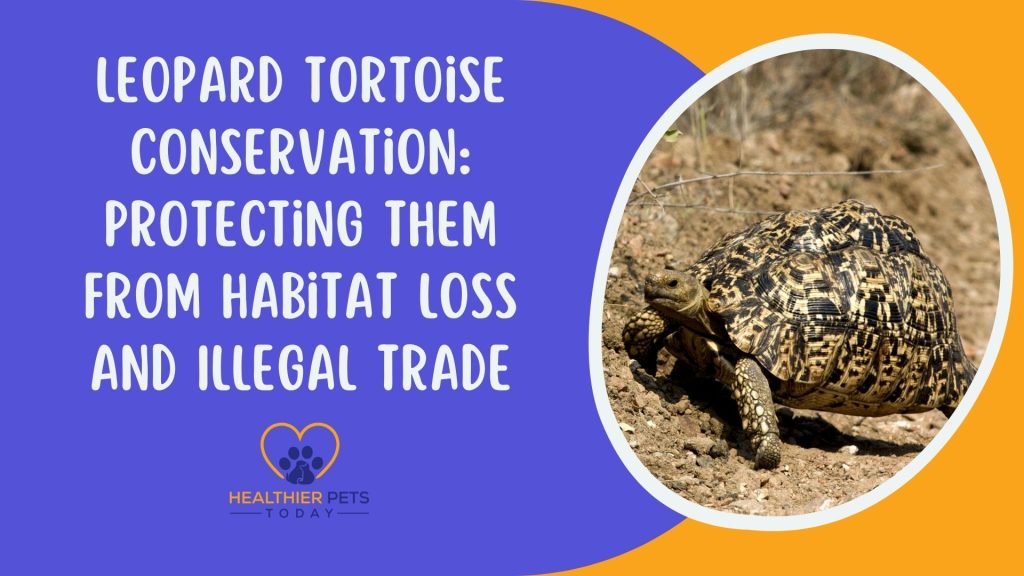
The sensationally famous leopard tortoise is known for its size and beautiful shell pattern. It is frequently kept as a pet throughout the country due to its adaptability to captivity. However, it faces threats from habitat loss and illegal trade. Luckily, there is something that can be done about it.
Want to learn more? This article discusses everything you need to know about these crawlies and how to save them. Let’s start!
Table of Contents
Habitat Loss and Its Impact

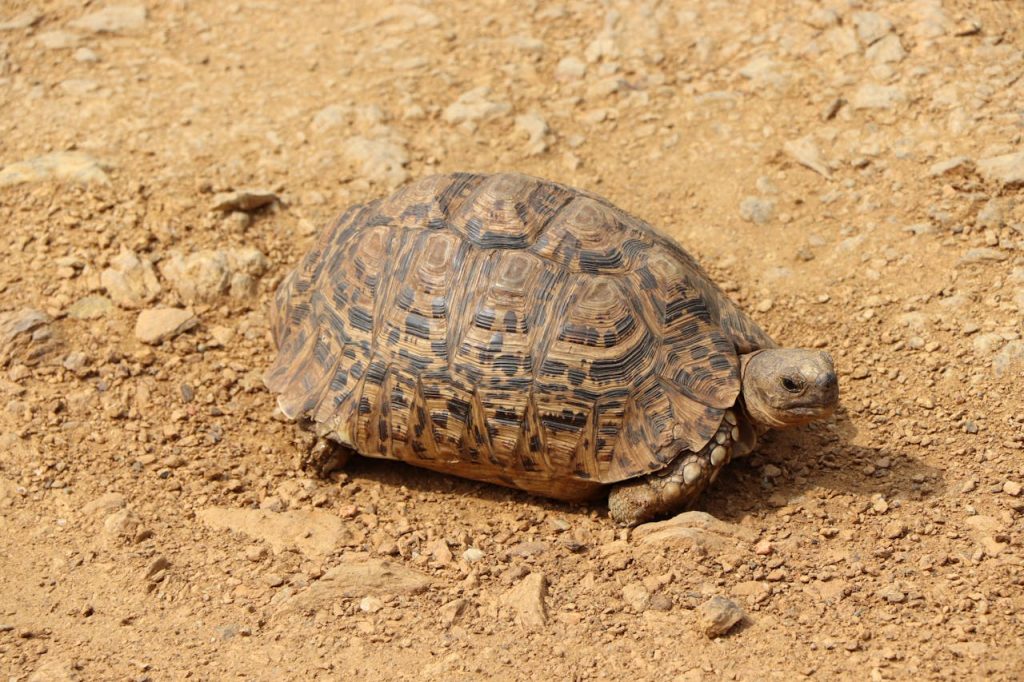
Habitat loss can significantly impact the leopard tortoise species, which is why it’s so important to understand the causes and what are the consequences.
Causes of Habitat Loss
A leopard tortoise has been subjected to several human actions, such as trapping for trade, hunting, habitat burning, and livestock grazing, all of which could’ve caused significant changes in distribution and plenty of the species across its range. Now, what are the consequences of these actions? The next section will help you to gain a better understanding.
Consequences of Habitat Loss
Habitat loss and displacement are severe threats to the welfare of individual animals, species survival, and biodiversity. RSPCA Australia says that it’s critical to prevent these negative impacts. Habitat destruction and displacement might result from direct land clearing, negative environmental effects, or contamination due to human activities, including agriculture, mining, building construction, negative environmental effects, and other landscape changes.
Illegal Trade of Leopard Tortoises

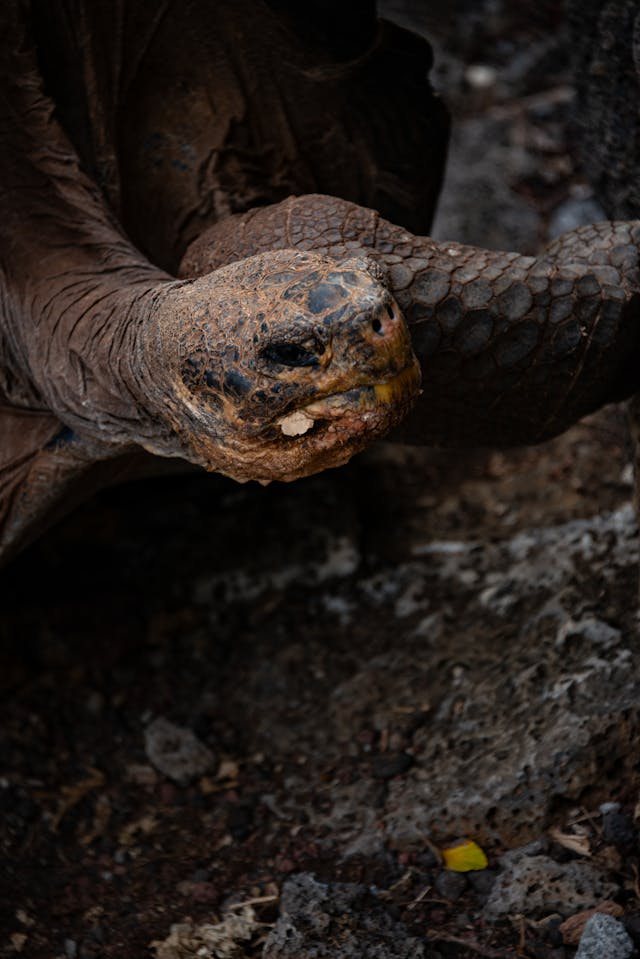
Overview of Illegal Trade
Leopard tortoises are known for their beautiful patterned shells, which are sought after in the illegal wildlife trade. This species is captured and then sold as exotic pets in international markets. Even though the Convention on International Trade in Endangered Species of Wild Fauna and Flora (CITES) has enforced regulations, the illegal trade continues. This is due to inadequate penalties.
These animals are often transported in brutal conditions which threaten their life and, in the long run, the species. But this is not all! It impacts the ecosystem because these smugglers remove important herbivores from their habitat.
Impact of Illegal Trade on Populations
The impact of illegal trade has been poorly documented in many countries. Still, the evidence is mounting rapidly to demonstrate that without interventions, many more tortoise species will extinction within our lifetime. Isn’t that sad?
Conservation Strategies
These leopard tortoises are as important as any other animal or even insect on this planet. They are all a part of something greater. So, how can we preserve their habitat and combat these illegal trades? This section discusses it all in detail. Let’s take a look!
Habitat Preservation and Restoration
Habitat preservation and restoration are crucial for the conservation of leopard tortoises and their ecosystems. The main objective is to protect, conserve, and restore habitats.
Here are some tips on how you can take action:

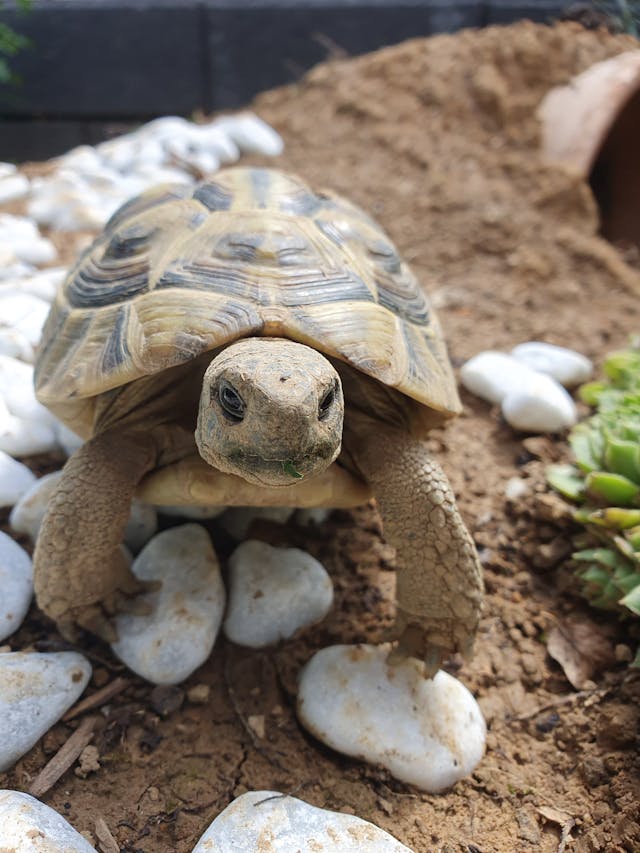
- Donate to conservation groups
- Volunteer for habitat restoration projects
- Educate others about the illegal wildlife trade
- Encourage policymakers to enforce stricter penalties
- Avoid products that endanger their habitats
- Reduce your carbon footprint
- Don’t buy exotic pets
- Report illegal trades
- Join local clean-up events
Breeding and Rehabilitation Programs
When threats are impossible to control in the wild, like a disease, or when inhabitants have become so small that the species could be wiped out with one single event, like natural disasters, or when populations are so isolated that individual animals can’t find another to breed with, we need to step in with particular interventions.
These can include:
- Conservation breeding programs
- Reintroductions
- Translocations
FAQs
Why are leopard tortoises threatened?
Leopard tortoises are threatened by habitat loss, illegal trade, climate change, overexploitation, and pollution. These pressures make them extremely vulnerable.
Can leopard tortoises be kept as pets?
Yes, leopard tortoises can be kept as pets, but they require significant commitment regarding space, diet and care. You’ll have to educate yourself on the legal regulations of your local law, their habitat, diet, health care specifics, lifespan and ethical sourcing.
What are the signs of illegal trade in leopard tortoises?
There are many signs of illegal trading, including crowded or unhealthy conditions, unverified websites, low prices, quick transactions, and more. If you notice any suspicious activity, please report it. This can save the leopard tortoise species!
Are there any laws protecting leopard tortoises?
Yes, there are laws protecting leopard tortoises. In fact, all tortoises are protected by the law of their region, which is meant to keep them safe from illegal trade and extinction. Unfortunately, these regulations don’t keep smugglers away.
Conclusion


Leopard tortoise is a widespread species that remains common throughout most of its range. Human schemes, including agricultural burning, consumption, and especially commercial exploitation in pet trades, are potential threats but haven’t caused significant population declines as of yet. But that doesn’t mean it cannot happen. Individuals should be actively aware. This way, we can ensure the safekeeping of these crawlies!