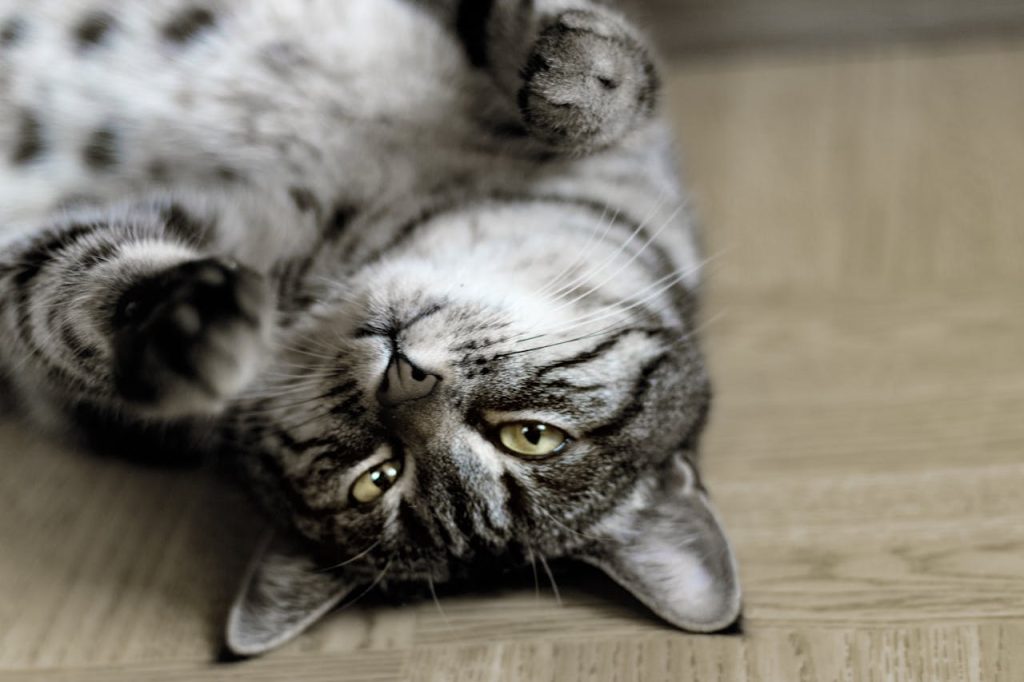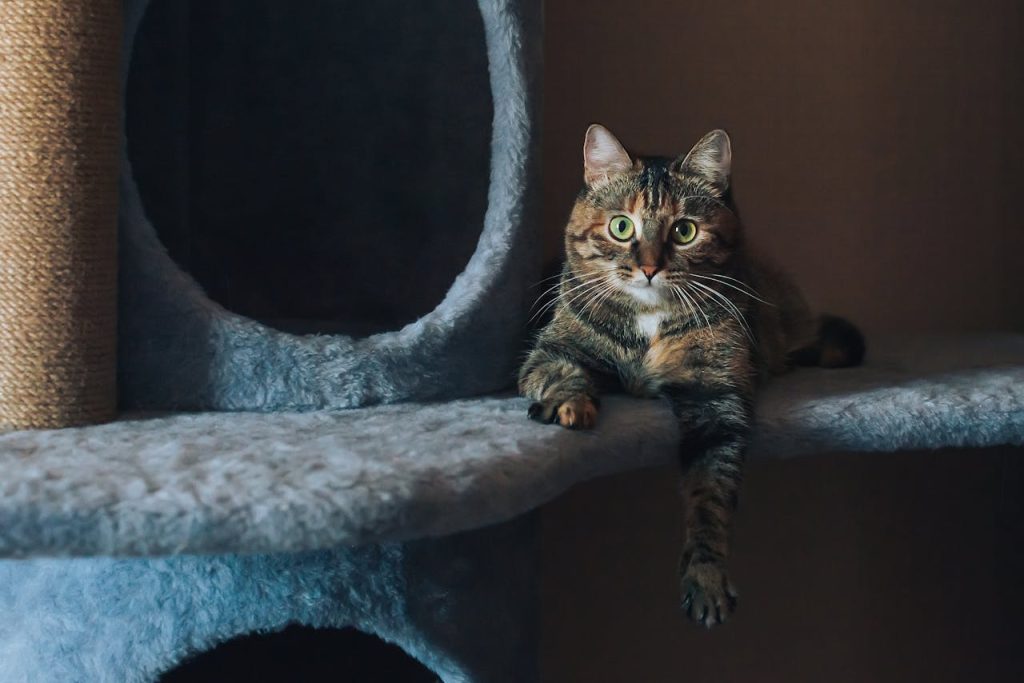
Cats typically live inside, but let me introduce you to a new world with outdoor cat houses! These homes bring outdoor excitement to cats that can’t be found indoors. Think about your cat enjoying the sun, watching birds, or taking a quiet nap in its little place. This guide will educate cat owners on more than just outdoor cat houses; we will also delve into safety.
Table of Contents
What are Outdoor Cat Houses?

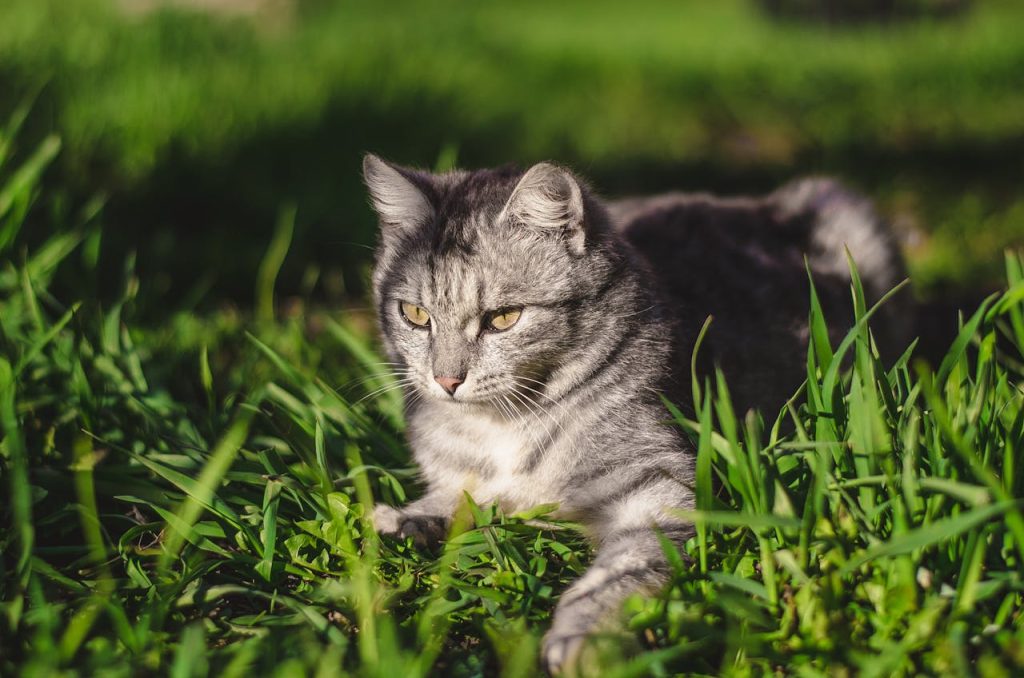
Outdoor cat houses are safe places for cats to enjoy the outdoors. They come in different sizes, designs, and materials according to weather conditions and each pet’s needs. Cat houses provide warm shelter and a haven to play, sleep, or just view the world. These little houses add quality to a cat’s existence. It encourages physical activity and mental stimulation from observing.
Why Your Cat Needs an Outdoor House

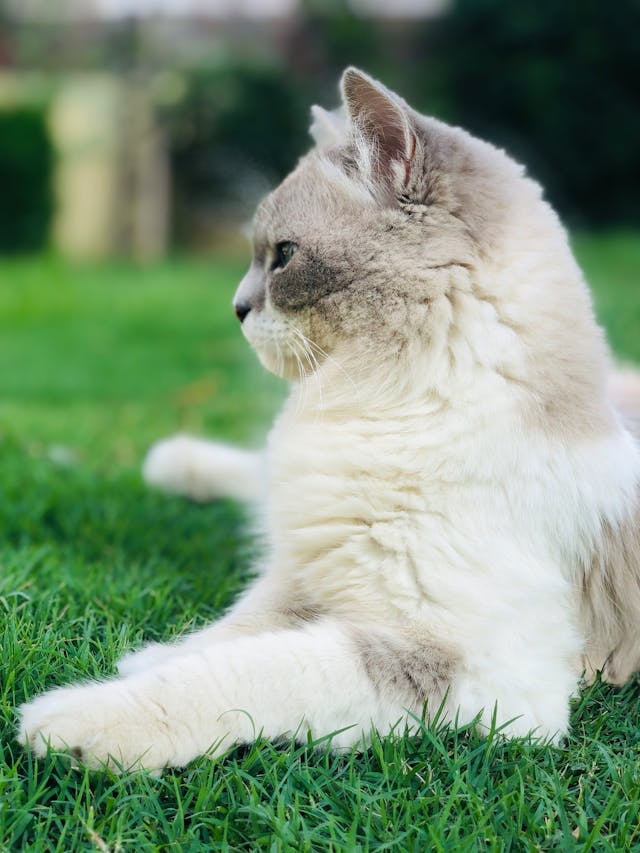
Cats, by nature, long for exploration due to their instinct to wander around hunting new territories. An outdoor home will perfectly meet this demand by satisfying its curiosity naturally and securely. A safe space outside allows them to access their adventurous side while maintaining their health. Physically, it stimulates exercise that results in good health and reduces the possibility of obesity. Psychologically, it improves their lives by reducing anxiety and promoting mental fitness.
Key Features to Look for in an Outdoor Cat House
When choosing an outdoor cat house, consider the following important features:
- Durability and Weather Resistance: This ensures the house can withstand various climates and protect your cat all year.
- Materials: Look for materials that offer longevity and safeguard against rain, snow, and sun exposure.
- Comfort: Insulation and soft bedding are essential to keep your cat warm during colder months and ensure comfort.
- Safety Features: The house should have escape routes for your cat to use in case of danger and be designed to keep predators out.
Different Types of Outdoor Cat Houses
Various outdoor cat houses are available in different styles, each with advantages. Traditional and wooden cat homes will match well with the outdoor environment, but remember to treat them against the weather. Insulated homes provide warmth to cats during winter, thus making them very suitable in cold regions.
Some of these houses have fitted heaters, making them very warm and cozy. They require access to electricity, which might restrict their location. Heater or not, each house serves a purpose. While wooden cat homes are aesthetically pleasing, they need maintenance. Insulated and heated alternatives are more comfortable but pricier or require additional installation procedures.
Setting Up Your Outdoor Cat House
Location is essential when setting up your outdoor cat house. Choose a peaceful environment where the cat feels secure and has a good view. Avoid noisy areas; an example is somewhere close to traffic.
Place familiar-smelling blankets or toys to help your pet become accustomed to its new home. If you are eager for your cat to eat its new home, use scents such as catnip or treats to help it easily find its way into the house. Do not rush this process. Your cat will adjust as time goes on. It usually happens when they realize it is safe and warm.
Maintaining Your Cat’s Outdoor House

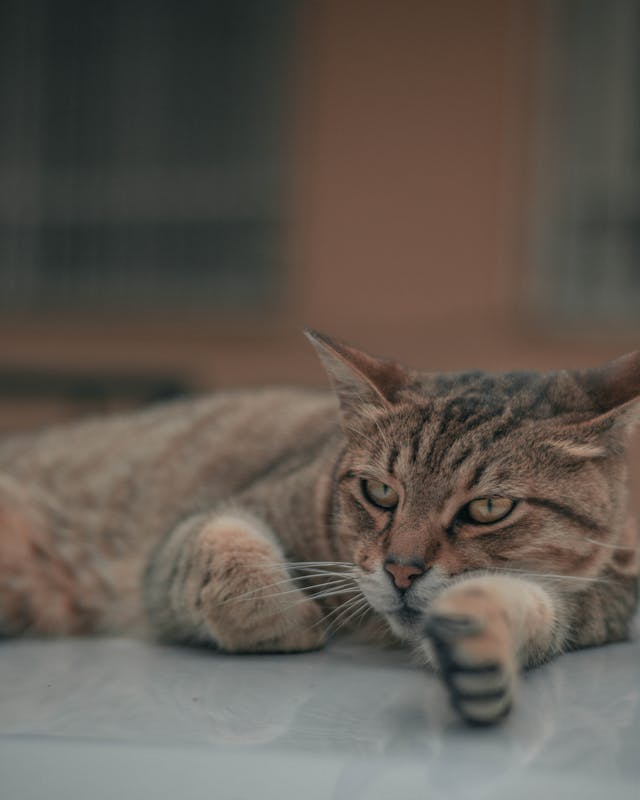
Even though a lot changes during the year, maintaining your little one’s house is important. You can do this by keeping up with cleanliness, washing any dirt found on bedding regularly, and eliminating pests if they exist within them. Wood-based structures must be checked annually for weaknesses, such as cracks or fungi. You need to apply treatments if there is any damage.
You can add an extra blanket to keep your feline warm during winter. In the summertime, ensure enough air circulation and shade so your baby does not overheat.
FAQs
Do outdoor cat houses keep predators away?
Yes, they do. Some have escape routes constructed with solid materials to withstand predators and bad weather.
Can outdoor cat houses be used all year round?
Certainly. Many outdoor cat houses are designed for all seasons. Check that the home has adequate air circulation to cool your kitten in summer and some insulation for winter.
How do I encourage my cat to start using the outside house?
To attract the cat’s attention, sprinkle the room with familiar smells like blankets or toys. You can also try using Catnip and other treats. Introduce your furry friend slowly.
What is involved in maintaining an outdoor cat house?
Regular cleaning, keeping it free from pests, and inspecting for damage will always keep your pet comfortable and safe. You might also want to modify insulation or ventilation depending on seasonal effects within the year.
Conclusion
You can create the perfect home for your cat. The key is choosing the correct materials. An outdoor cat house can considerably enhance your feline’s life. They can have the best of both worlds with an outdoor cat house, so invest in one today!