

Interested in learning about pet toys? That’s fantastic! Did you know that pets love to chew? Yep, it’s not just fun; it’s their instinct. So, the question is, how do we keep our fur babies busy and healthy? Easy answer – chew toys! These toys help with their teeth, keep their brains active, and fulfill their need to chew. This little guide here? It’s all about picking the perfect pet toys for your pet to chew, whatever their style or need may be. It includes more than just dog chew toys. Let’s get started!
Table of Contents
What You Need to Know About Dogs
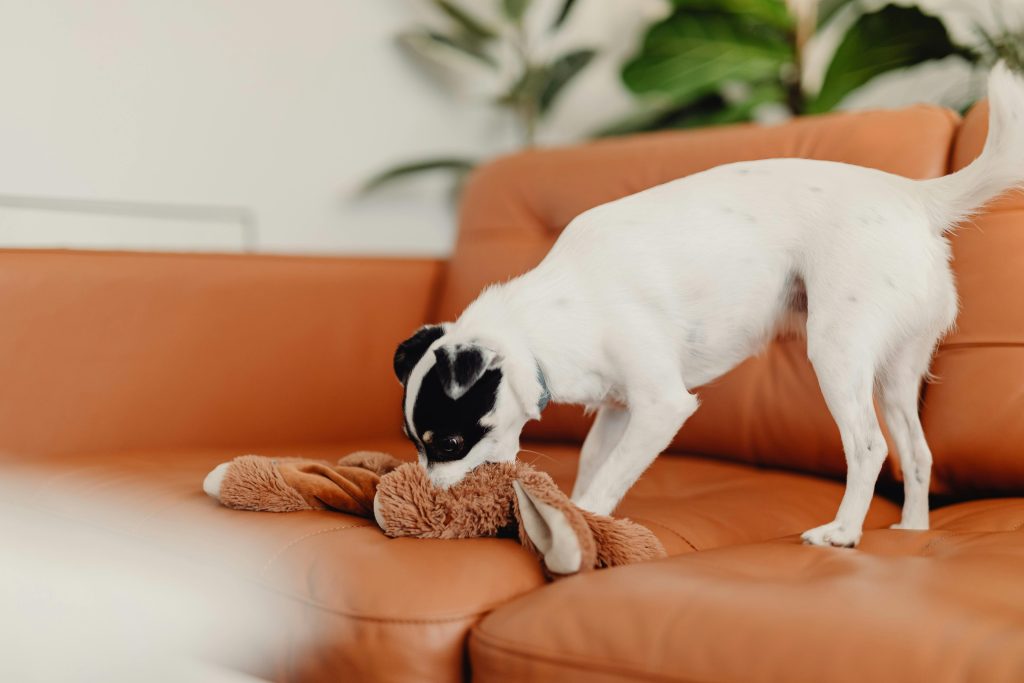
Understanding Your Dog’s Size And Breed For Appropriate Sizing
- Different breeds have varying jaw sizes and chewing styles. Small dogs may prefer smaller, softer toys, while larger dogs may require more robust options.
- Consider the breed’s typical play behavior; for example, retrievers might enjoy fetching toys, while terriers might prefer dog chew toys that they can shake.
Importance Of Choosing Durable Toys For Strong Chewers
- Strong chewers can quickly demolish flimsy toys. Opt for toys made from rigid materials like rubber or nylon, designed to withstand powerful chewing.
- Look for toys labeled as “indestructible” or “heavy-duty” for breeds known for their strong jaws.
- For breeds with aggressive chewing tendencies, explore specialized toys designed to withstand rigorous use, preventing potential choking hazards.
Dental Health Solutions: Tooth-friendly Pet Toys (Chew Addition)
Dental Benefits Of Specific Textured Toys
- Toys with textured surfaces help clean teeth by reducing plaque and tartar buildup.
- Look for dental toys with ridges, bumps, or bristles that can reach the crevices between your dog’s teeth.
Toys That Promote Healthy Gums And Reduce Plaque Buildup
- Consider toys with added features like nubs or rubbery projections that massage gums and promote healthy oral hygiene.
- Select toys that are dishwasher-safe for easy cleaning and maintenance.
- Introduce water-based dental toys that freeze for a soothing, teething-friendly experience for puppies and dogs with oral sensitivities.
Fun with Interactive Toys

Brainy toys for fun and learning
- Test your dog’s smarts with puzzle toys. They make playtime a brain game, and they’re perfect for keeping your pet entertained.
- You can even stuff these toys with treats. They reward your pup for solving the puzzle, wooing them into sharpening their problem-solving power.
There’s also The Thrill Of Candy-Spewing Playthings.
- Toys that pop out treats do more than just entertain. They double as tasty reward sources, injecting more joy into playtime.
- Customize the difficulty to ensure your dog’s always caught up in their game. The toy list doesn’t end here. Try interactive ones that imitate real-life behaviors, like squeaky or crinkly noise-making toys, to captivate their senses.
Safety Matters: Trustworthy and Long-lasting Materials
Picking Safe Substances Like Rubber, Nylon, Or Natural Fibers
- Rubber and nylon, harmless and long-lasting, endure your puppy’s chew time, and they’re’re not the splintering type.
- You can opt for natural fibers like cotton or hemp. They are ideal for dogs who love a soft dog chew toys and offer a different feel.
Ensure Chew Toys Pass The FDA Check
- Go for FDA-approved toys for safety assurance. They adhere to explicit safety protocols set for pet product manufacturing.
- Steer is clear of toys with unsafe chemicals or additives, which could pose health hazards to your furry friend.
- Keep an eye on toys for wear and tear, and get rid of broken ones in a flash to keep your pet safe from swallowing dangerous, minor, or sharp parts.
What You Need to Know About Cats:
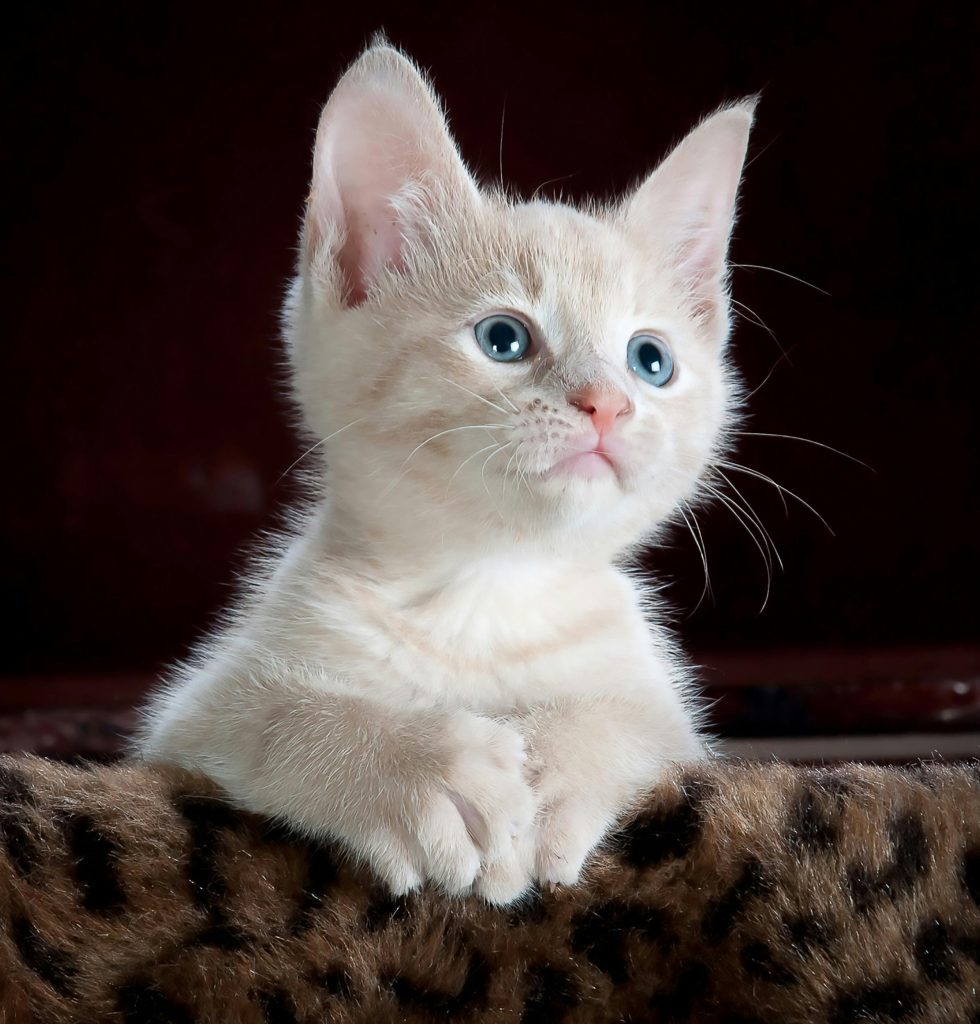
A cat’s preferences regarding textures can vary significantly. Some felines enjoy softer surfaces, finding fleece or velvet to be quite comfortable. They may spend a great deal of time nuzzling or napping on such plush materials. However, other cats may favor somewhat firmer textures. Rubber or leather items are what these cats gravitate towards. It’s essential to note how your cat interacts with different textiles. Do they rub against fleece toys eagerly but ignore rougher surfaces? Or does your cat display more interest in scratching a leather pad than a velvet bed? By paying close attention to these small clues in your cat’s behavior, you can start to determine their personal texture proclivities. Catering to these texture tastes is simple when providing toys and resting spots constructed from various fabrics. A plush toy paired with a rubber scratching post, for example, gives cats options to suit their changing moods or individual texture cravings. With a variety of textures available, cats have plenty of opportunities to find that perfect purr-inducing material tailored precisely to their discerning preferences.
Nurturing Healthy Teething Habits with Appropriate Chew Toys for Kittens
As kittens grow, teething is an inevitable process involving the development of their permanent teeth. During this phase, their gums may feel sore and tender, leading to constant chewing to soothe discomfort. It is essential to offer teething kittens toys that are meant explicitly for this purpose. Gentle pet toys that can be chewed are crafted from soft, rubbery materials and is suitable since they won’t damage delicate teeth that are still emerging. These flexible toys accommodate the kittens’ natural chewing behavior and provide relief from teething pain. Look for toys labeled for teething to ensure they are gentle on developing teeth. Including such toys in their playtime allows kittens to satisfy their urge to chew without risking injury to their gums and helps speed up the teething process. The rubbery texture also cleans teeth in a tender way as they chew.
Unleashing Feline Instincts through Interactive Play with Feathered Toys
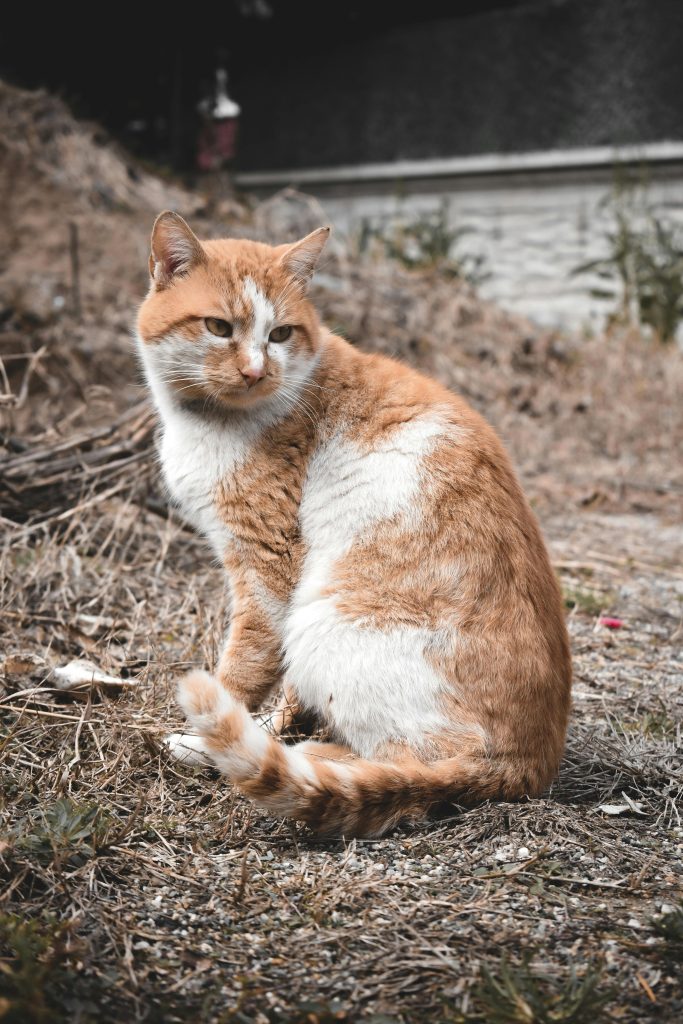
When playing with cats, it’s essential to understand their natural hunting instincts. Cats are born predators who enjoy the challenge of the chase. Feathered toys that resemble small birds or mice can tap into these instincts by mimicking prey. As a result, cats will eagerly swat at and pursue these toys, allowing them to express their innate hunting abilities. It’s beneficial to provide toys that encourage cats to engage in behaviors like chasing, patting, and pouncing. This type of interactive play fulfills their need to stalk and capture prey. Such toys help keep cats physically and mentally stimulated. For optimal engagement, these toys shouldn’t be left out all the time. Rotating the selection of toys you offer your cat helps maintain their curiosity and prevents boredom. A variety of stimulating play items ensures cats stay active and entertained.
The Amazing Effects of Catnip:
Catnip is a magical herb that captivates many felines. Soaking cat toys in a catnip infusion allows the enticing essence to be slowly released, greatly intensifying play sessions and providing cognitive enrichment. When cats inhale, lick, or nibble on catnip-treated objects, the herb’s active compounds bind to olfactory receptors in their noses, stimulating a blissful state of euphoria. Cats may roll, jump, and swat at invisible playmates as the catnip’s effects take hold. Soon after, a calming sensation spreads through their bodies, helping them unwind and relax. Keep several catnip chew toys on hand to engage your curious cat’s mind and distract them from stressful situations with bouts of joyful interaction. The intermittent bursts of excited play followed by relaxation will benefit both of you.
Small Animals (Rabbits, Guinea Pigs, Hamsters):
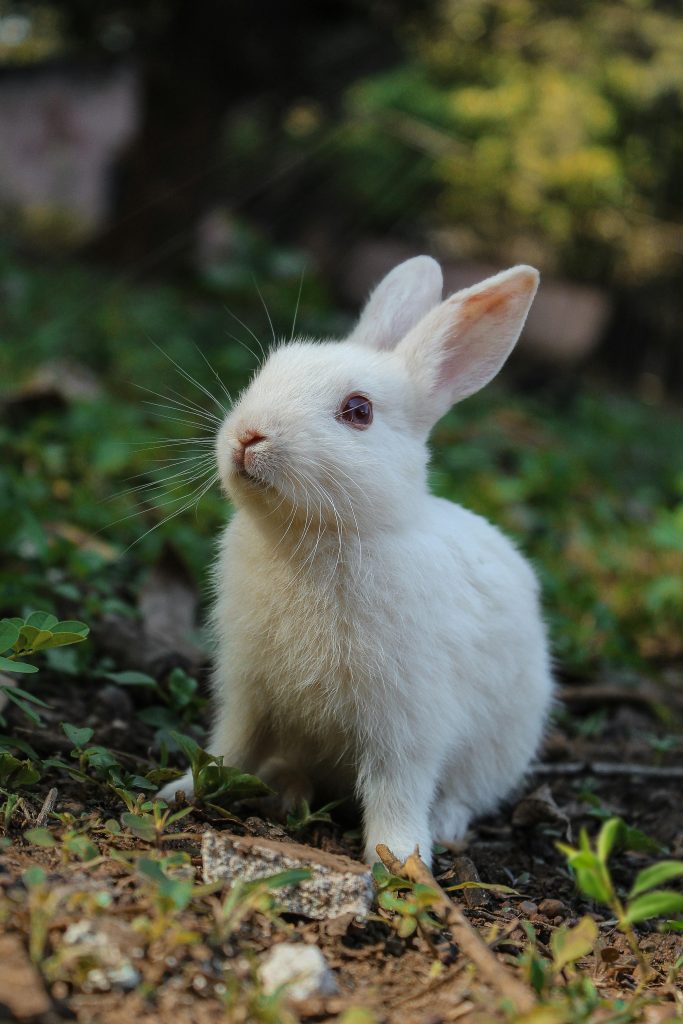
When picking out chew toys for little pets like rabbits, guinea pigs, and hamsters, it’s essential to select items that are both risk-free and edible. Aim for playthings created from natural substances like untreated hardwood or hay, which can function as enjoyment and a nutritional supply simultaneously. Be sure the toys lack any dangerous chemicals and consist only of substances that won’t cause problems if nibbled or swallowed incidentally. Untreated wood and grass are usually fine choices; they offer nourishment through chewing but won’t harm delicate tiny stomachs. Always inspect toys for splinters, cracks, or signs of wear that could present a hazard if ingested. The health and safety of small furry friends depend on owners choosing chew items carefully.
Creating Cozy Retreats: The Dual Appeal of Chewable Hideout Toys for Small Pets
Small pets naturally enjoy feeling secure in hiding spaces, and chewable hideout toys perfectly fulfill this need. By providing a chewable hideout, you give your animal friend a fun place to retreat when they want privacy or wish to cozy up and chew. These multi-purpose toys serve a double role of satisfying their innate desire to chew while also giving them a safe spot indoors. When selecting a chewable hideout, look for options crafted from durable yet enticing materials that will appeal to your pet’s senses. A hideout should invite exploration through interesting textures for them to nibble on and investigate with their paws. Most of all, it must feel like a comfy retreat where they can relax in seclusion. A hideout that stimulates natural chewing and offers a private nook for play or rest will surely be a favorite accessory for any small furry companion.
Choosing the Best Toys:
Wooden chew toys provide many natural and non-toxic benefits for small pets that enjoy chewing. Rodents like rabbits, guinea pigs, and hamsters will appreciate toys crafted from safe types of wood. When selecting wooden options, be sure the material comes solely from non-poisonous trees without additional coatings or preservatives that could endanger delicate mouths. These all-natural chews aid in dental hygiene by satisfying an animal’s inherent need to gnaw. The physical act of chewing on wood helps wear down teeth and maintain a proper bite. It also serves as a form of mental stimulation when toys require some effort to dismantle. Rabbits, guinea pigs, and hamsters that chew on untreated wood reap rewards in trimmed incisors and a generally healthier grin. Opting for toys made of untreated wood promotes natural behaviors while avoiding unnecessary chemicals near a pet’s mouth.
Final Thoughts

These guidelines strive to offer a complete perspective for comprehending and fulfilling the requirements of both felines and little creatures through suitable playthings and recreational opportunities. It targets helping animal caretakers learn to pick pet toys and design play sessions that are mentally and physically stimulating, safe, and appropriate for cats and small pets. The recommendations can assist in developing engaging activities that strengthen the human-animal bond through shared playful interactions. We hope you found the perfect pet toys for your furry friend!
Our articles are researched, edited and regularly reviewed. Sources and references supplied in the article remain part of the published content.


