


Do you want to know whether Rodentia is a pet or pest? I know, I do. Growing up, we were told that rats are these filthy gutter animals that we should stay away from or kill on site. As we grew older, many realized that was not the case. Rats are intelligent creatures who learn faster than most humans. Have you seen a baby rat recently and thought of owning a rat? Let us look at everything you wish you knew sooner about rats!
Table of Contents
Overview of Rats as a Species

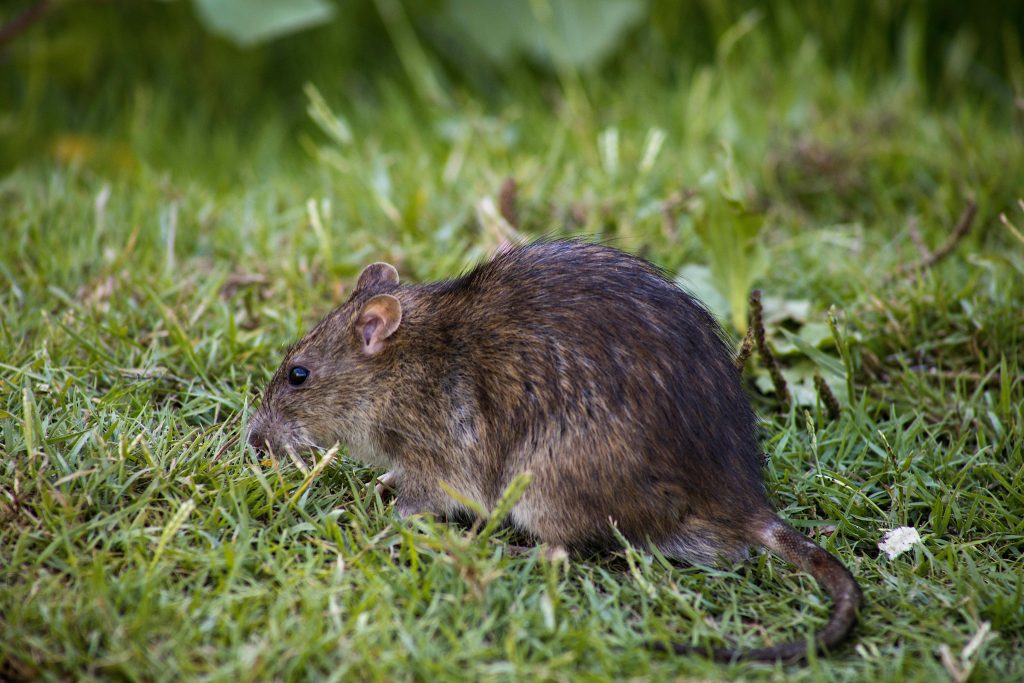
Rats belong to the Muridae family and are part of the order Rodentia. Rodentia also includes animals such as:
- Mice
- Squirrels
- Beavers
There are numerous species of rats, but the two most common ones are the brown rat, known by the scientific name Rattus norvegicus, and the black rat, known in the science world as Rattus rattus.
Rats are mammals belonging to the order Rodentia that adapt exceptionally well; they are widely distributed and found in urban, suburban, and rural environments worldwide. They are well known for their intelligence, social behavior, and impressive ability to thrive in different habitats, from sewers to roofs.
Historical Context of Rats as Pests and Pets:

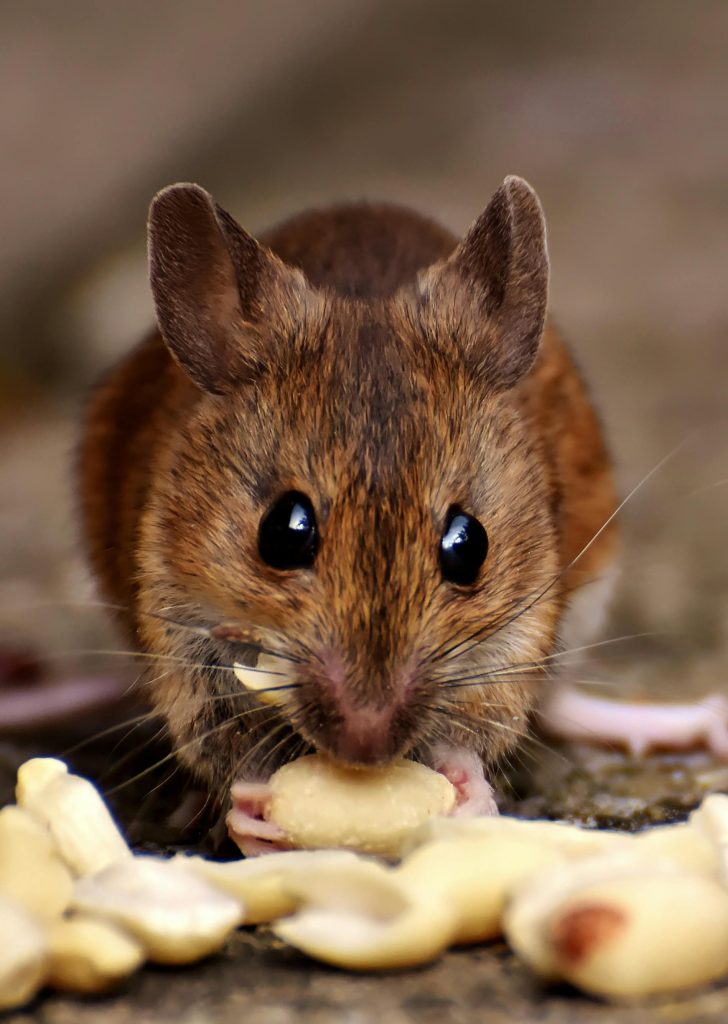
Rats as Pests:
- If we look at history, rats have been negatively associated with their impacts on humans and their homes. They are known to carry and spread diseases, posing severe health risks to humans and animals.
- Rats have been known to be responsible for dire damage to crops, homes, and food supplies. They have a rapid reproduction rate and can gnaw through almost any material. These facts contribute to their status as pests.
- Rats are very closely associated with the Black Death in medieval Europe, where rats were implicated in spreading the bubonic plague.
Rats as Pets:
- Rats were once a problem. Now, they’re pets. The brown rat is famous. It’s bred for its calm nature and fabulous coats.
- Rats became trendy in the 1800s. Kids and scientists loved them. They’re intelligent and friendly, so people form tight bonds with them.
- Nowadays, more and more people are fans of rats. They see them as lovable and teachable pals. This changes the old view of rats just being nuisances.
Understanding the nature of rats as pests and pets requires an open-minded approach. We must consider their ecological roles, impact on human society, and evolving perspectives on rats kept as domesticated animals.
A Quick Guide to Keeping a Rat as a Pet

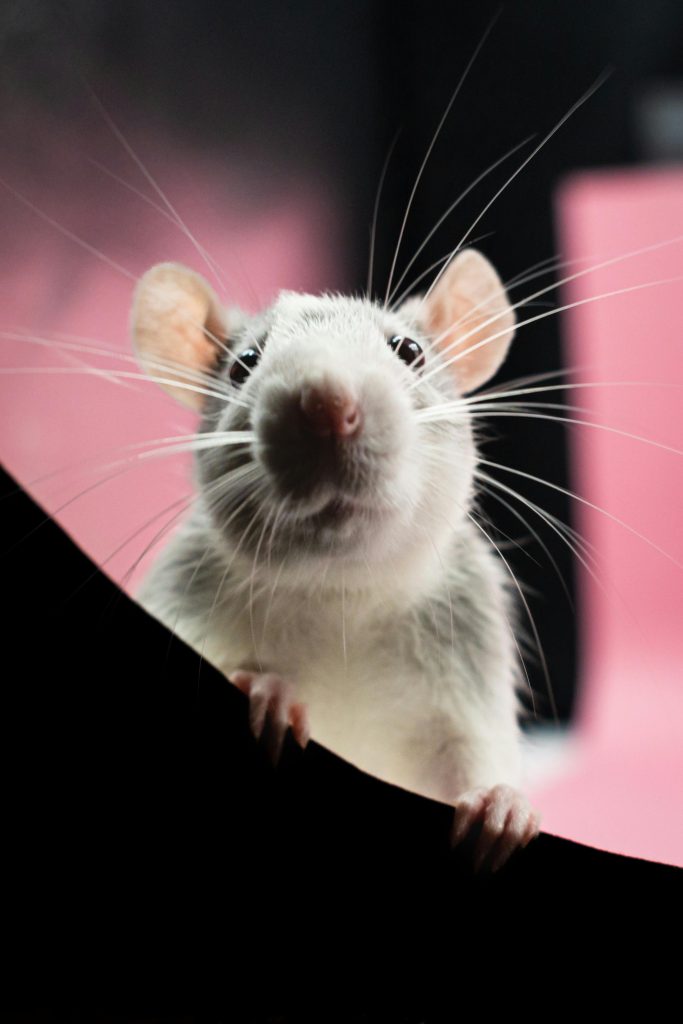
Types of Pet Rats:
- Fancy Rats: They are normal, brown rats (Rattus norvegicus) but bred to show unique characteristics like coat colors, patterns, and markings.
- Dumbo Rats: Known for their big, round ears, these rats make friendly and loved pets.
- Hairless Rats: These rats don’t have much fur, if any. They look unique and are popular pets.
Why Rats Make Good Pets:
- They Like Friends: Rats enjoy being with other rats. They also bond well with people, loving time to play and interact.
- They’re Smart: Rats rank high on the rodent intelligence scale. They can learn tricks and know their name, making them fun pets.
- They’re Clean: Rats like to groom and keep clean. They can be trained to use the litter, which makes cleaning up easier.
- They Fit In: Rats adjust well to bring pets, and they don’t need a lot of space as long as they have fun things to do.
Responsible Ownership and Care Requirements:

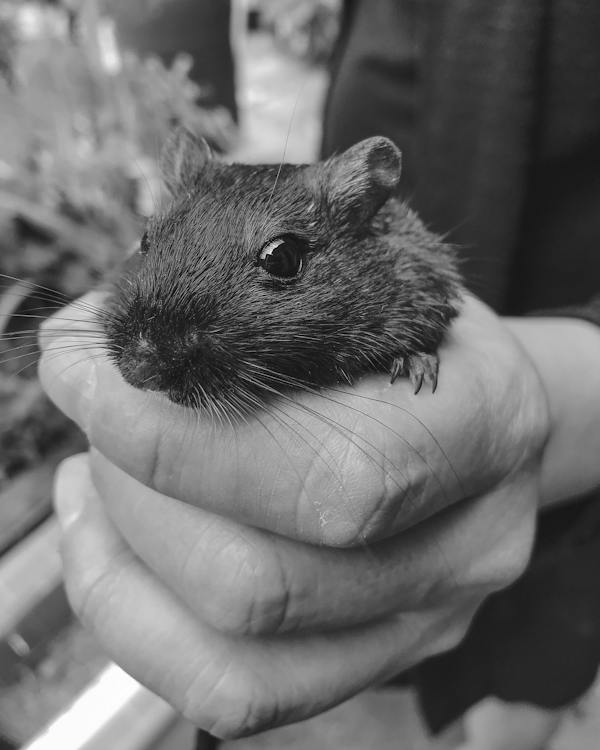
Taking care of your rat and ensuring ownership involves several vital aspects;
- Cage Setup: Provide a spacious and well-ventilated cage for your rat with horizontal bars that allow them to climb and explore. Include nesting material, tunnels, and platforms to keep them stimulated.
- Diet: Feeding your rat a diet of high-quality pellets is essential. Supplement their meals with fruits, vegetables, and occasional protein sources. Remember to have fresh water available for them.
- Socialization: Rats are creatures. Thrive on companionship. It is recommended to keep them in same-sex pairs or groups to prevent loneliness and promote their well-being.
- Enrichment: Keep your rat’s minds engaged by providing toys, tunnels, and items for exploration. Rats are naturally curious, so mental stimulation is crucial for their happiness.
- Veterinary Care: Regular veterinary checkups are essential to monitor the health of your rats. They can be prone to issues, so maintaining an environment is crucial in preventing potential problems.
- Hygiene: Ensure you clean the cage regularly by removing waste and providing bedding. Additionally, attend to their grooming needs, such as trimming their nails when necessary.
Being an excellent pet rat owner means knowing what your pet needs physically and emotionally. A warm home, daily play, and the proper care make these bright, loving pals happy and healthy.
Why You Should Have Rats as Pets:
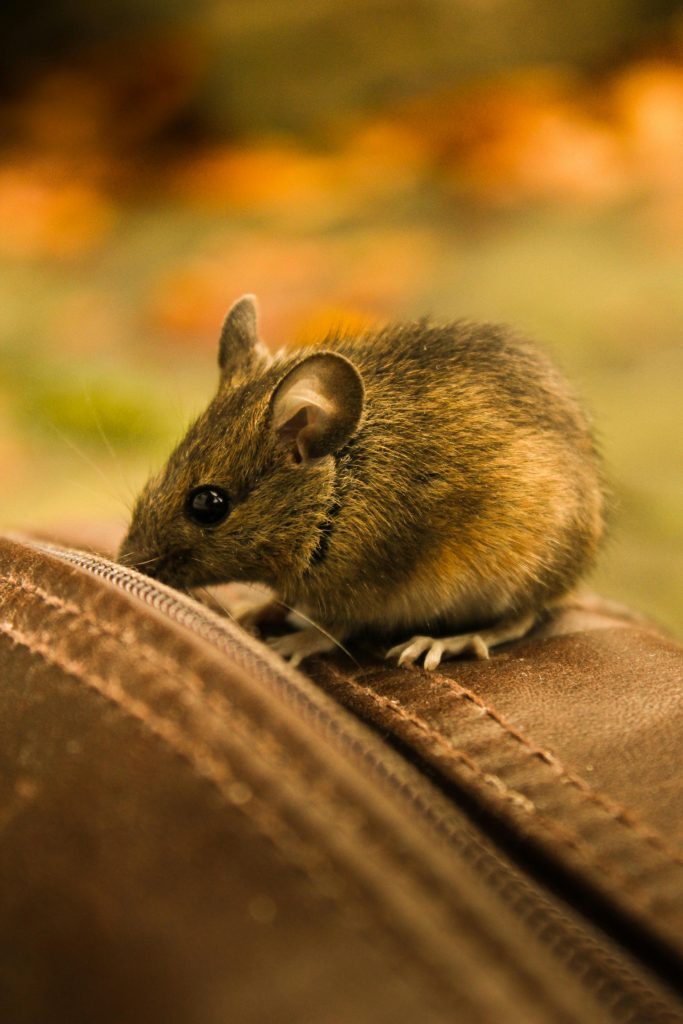
- They’re Friendly: Rats love making friends. They get attached to their owners and are very loving. They’re great pals.
- They Really Bond with You: Rats like hanging out with their owners. They’re gentle and love to play. They make amazing pets.
- Good for Learning: Owning rats can teach you a lot. It teaches you to be responsible, understanding, and how to care, especially great for kids.
- Pet rats can be great teachers. They helps show responsibility, feel empathy, and primary care skills. These values are helpful for kids.
- Less Caretaking Hassle than Other Pets: Rats require little attention. They keep themselves neat, often groom and litter training is possible. Their petite size and essential diet need to add to the simplicity of looking after them.
- Keeping rats is quite simple. They’re neat animals, clean themselves often, and can be potty trained. Their size is small, and their diet is essential, which makes their care quite simple.
- Taking care of rats is manageable. These neat creatures care for their grooming, and they can also be trained for litter. They’re small, and their dietary requirements are simple, which eases their upkeep.
Challenges When Caring for Pet Rats:
- Common Mistaken Beliefs About Pet Rats: Many believe rats are unclean or carry diseases, making people hesitant to make them pets. Education helps clear these wrong ideas and foster comprehension.
- Many think that rats are filthy or bring diseases, making people reluctant to have them as pets. Education helps break these false views and increase understanding.
- Health Points and Probable Challenges: Rats often face breathing problems. Rat keepers should prioritize their living area’s cleanliness. Regular checkups by a vet are essential to deal with health issues promptly.
- Rats frequently encounter respiratory struggles. Owners should monitor the cleanliness of their habitat. Regular vet visits are vital to handle health difficulties in a timely.
Talking About Misunderstandings Related to Pet Rats:
It’s not easy shifting our society’s view on rats being pests. But guess what? Awareness drives can surely help underline the fun side of owning a rat.
Ethics and Laws:
- Rules About Having Pet Rats: Each place could have unique rules about owning pet rats. Following these ensures, you are a responsible owner.
- Each area could hold distinct rules about keeping pet rats. By abiding by these, you show good pet ownership.
- Treating Rats Right, Pet or Pest: Being ethical means treating rats kindly. This applies if they are pets or ants you want to control.
- Being ethical involves showing rats kindness. This is true whether they are family pets or pests you need to manage.
- It’s vital to control pests while respecting animals. Necessary actions include managing rat problems for our health and caring for animals. Looking at kind pest control methods is a top priority.
The Truth About Rodentia
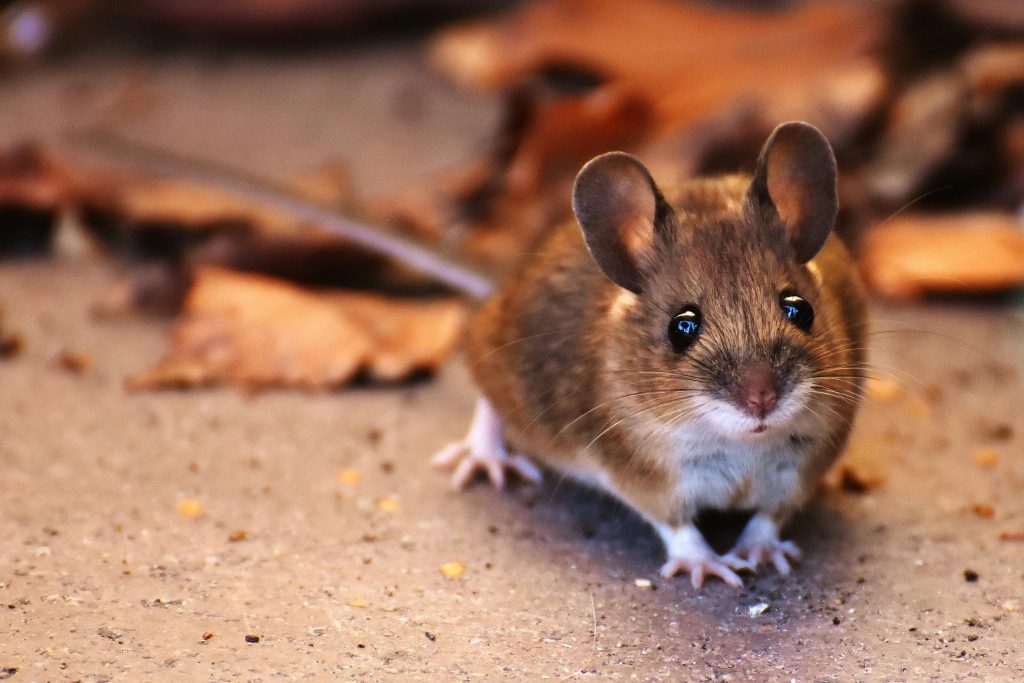
Baby rats are cute, having a pet rat can be fun and informative, with easy upkeep. However, there might be issues – dealing with wrong notions about rats and health worries. There are ethical stuff, too, like managing rules, pushing for responsible owning, and figuring out a middle ground between pest issues and being kind to these intelligent animals. With the right attention and comprehension, pet rats can be unique pals, breaking common misconceptions and being a plus point for bonds between humans and animals.