


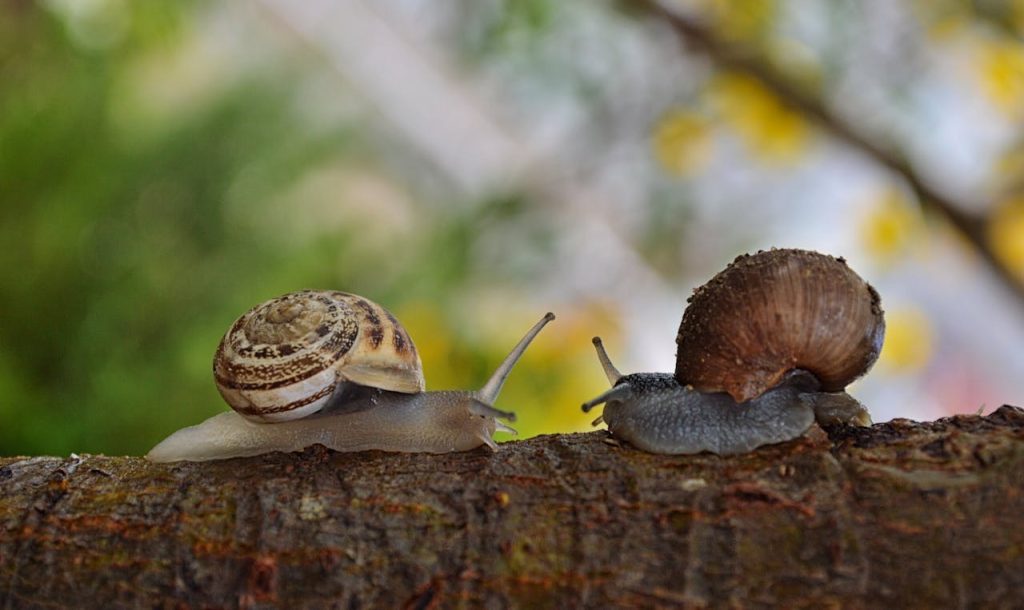
Did you know that there is almost no difference between a male and female snail’s reproductive organs? This paired skill allows them to reproduce eggs and sperm simultaneously, which is incredibly rare. A snail’s reproductive process is a wonder of nature, involving intriguing biological mechanics and unique behaviours. But what surprising secrets lie behind this process? In this article, we’ll explore snail eggs, reproduction, mating rituals, reproductive anatomy, and the fascinating life cycle that ensures the continuation of their species.
Table of Contents
Understanding Snail Reproduction

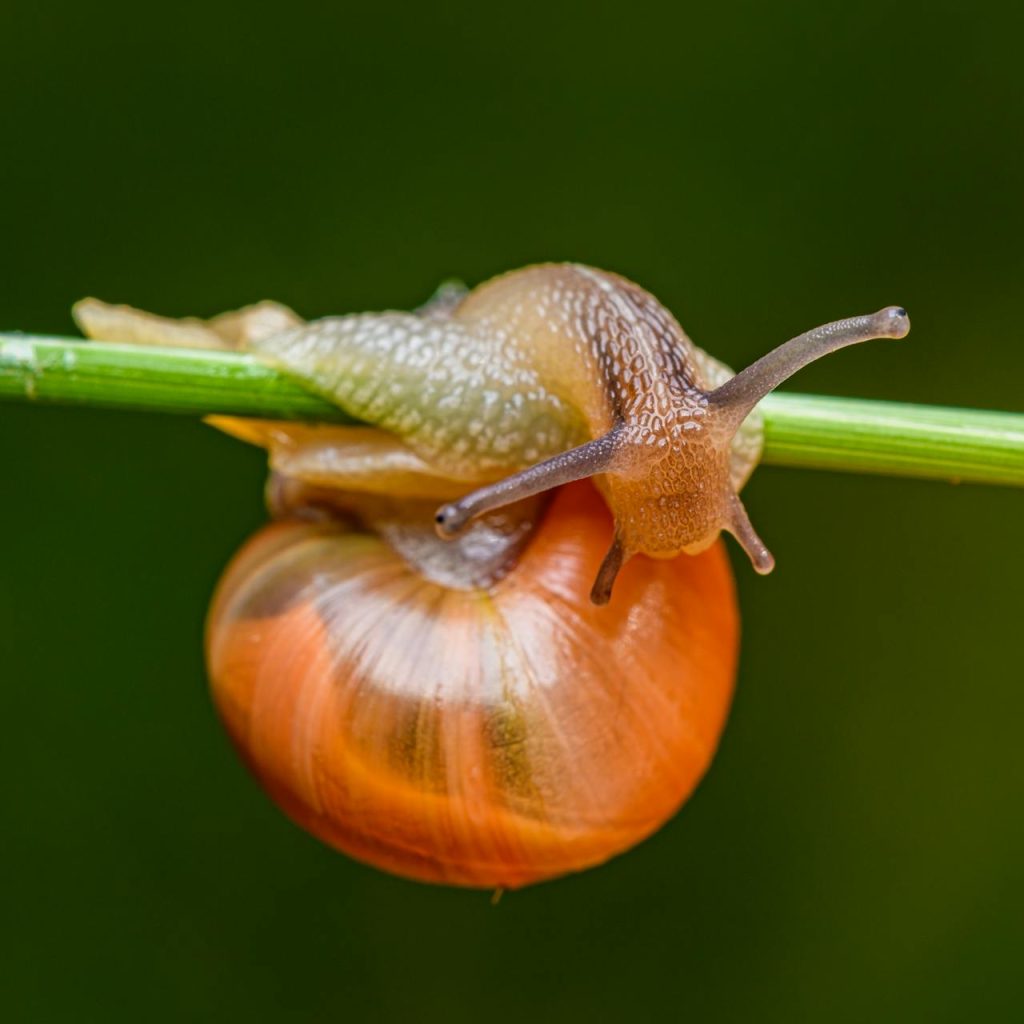
This dual capability allows them to produce eggs and sperm, facilitating reproduction even when encountering other snails is infrequent.
Overview of Snail Reproduction
Like mentioned earlier most land snails have both male and female organs which are called hermaphrodites. During mating season, sperm enters the partner’s mating pouch, which is not a safe haven because intestinal processes begin! The hormones help the sperm break loose from the pouch so they can find their way to the fertilization room.
The Mating Process
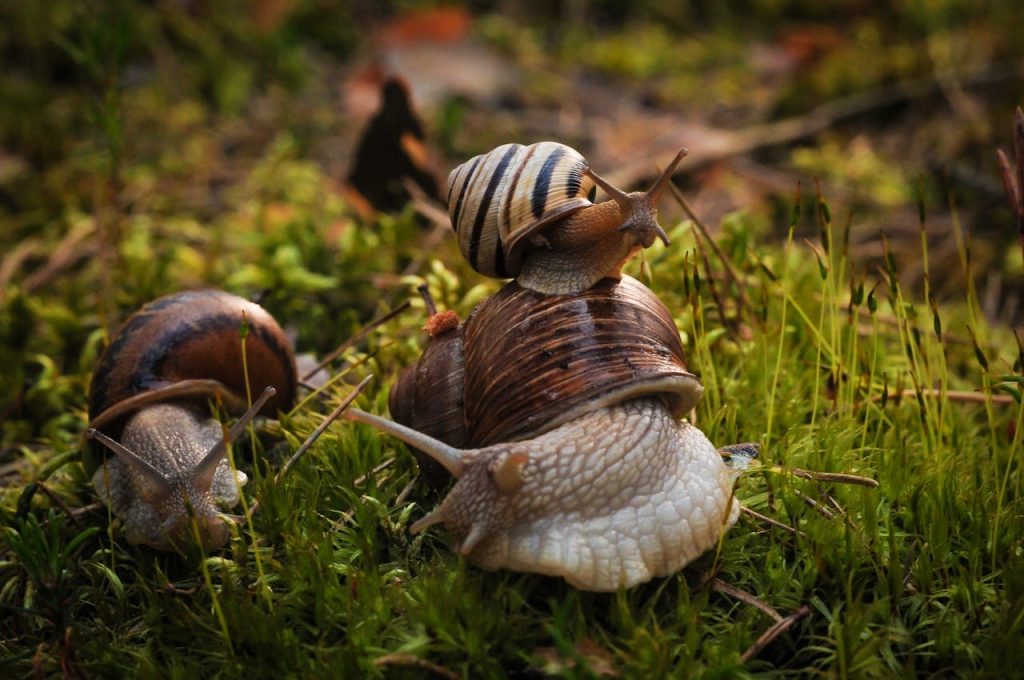
Two snails exchange their spermatozoa in small bags called spermatophores. The mating process can last from 10 to 15 hours. Both snails then produce eggs that are fertilized by the partner’s sperm. The mating process of a snail can last for hours. A snail delivers what is described as a love dart somewhere along their partner’s body, hoping to shoot that dart near the snail’s genital pore. They often miss, but only sometimes.
Snail Eggs: The Beginning of Life

Characteristics of Snail Eggs
Snail eggs are typically small, round, or oval-shaped structures. They are often translucent or slightly opaque, with a gel-like texture. The colour of snail eggs can range from clear to pale white, and they may have a somewhat shiny appearance.
Where Do Snails Lay Their Eggs?
After mating, the female lays jelly-like eggs at the top of the water’s surface, or on a plant’s stem. The females lay their eggs in moist soil and usually hatch within 2-4 weeks.
What Do Snails Eat?
When finding food, mundane snails are not picky, and the young snails often do the most feeding. Aquatic snails feed on plant life, too.
Dietary Habits of Snails
As snails dwell in green spaces, they feed on fresh leaves, stems, and bark, as well as species of crops like mushrooms, berries, and lettuce.
Role of Diet in Reproduction
Results revealed that snails fed a diet containing 22% protein exhibited the earliest age of maturity onset and the highest number of spawns per treatment. Conversely, within the same treatment group, snails had the lowest number of eggs per clutch.
The Development of Snail Eggs
The embryonic developmental stages at four-day intervals for Archachatina Marginata snail confirmed that the snail hatched between 28 and 30 days, with a mean incubation period of 29 days.
Incubation Period
For some snail species, the incubation period can take longer. They hatch a week to two weeks after the female snail lays the eggs. The number of days depends on the temperature – the warmer the temperature, the shorter the incubation period. Newly hatched snails are tiny, with shells approximately 2 millimetres in diameter.
Hatching Process
After the snails hatch, the babies eat their eggshells. This unpromising diet lasts them about five days, during which they remain in the nest. Then, they dig their way to the surface and are seen crawling about the soil and glass.
Common Challenges and Predators

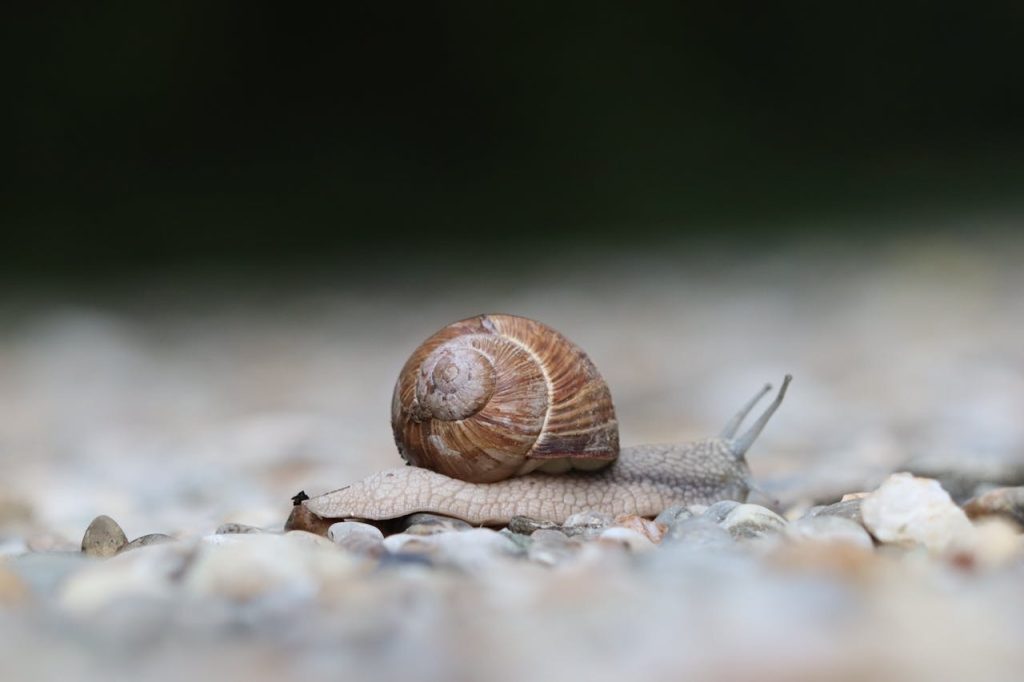
Land snails are preyed upon by a terrestrial species of snail, the Green Snail. The green snail is capable of eating young hatchlings of Achatina. Other predators include insects, millipedes, crabs, crickets, turtles, frogs, toads, birds, etc.
Natural Predators of Snail Eggs
Few predators feed on slugs and snails, including monitor lizards, some snakes, toads, predatory beetles, birds and nematodes. If the plants are sturdy enough, chickens, ducks and geese will also keep slugs and snails under control by eating them.
Survival Strategies
Many strategies help snails survive in arid situations. For example, some close their aperture with a door or with a mucus sheet, some have small apertures or modify their growth direction to make better seals, some have mucus that inhibits evaporation, and some manage moisture loss by choice of microhabitats.
Conclusion
Snail eggs are jelly-like sacs of small round translucent spots stacked next to each other and can attach to surfaces like glass, walls, décor, plants, ornaments, or above the water. Apart from identifying them, it is also important to know a snail’s breeding process and the egg-hatching timeline. Snails are essential additions to any aquarium since they help maintain the ecosystem’s balance, but their quick breeding process can lead to overpopulation. Ultimately, snail eggs will determine what enables you to keep a productive, healthy, and balanced ecosystem in your garden.