Do you often treat your cat companion to some catnip? If so, you’ve likely asked, “What does catnip do, and can it expire?” Maybe you’ve been too scared to give it to your cat… Catnip, scientifically known as Nepeta cataria, is a herb that can be given to felines. Why would you do that? Well, catnip can have several benefits, mainly for playing and bonding with your pet. It can also help to mellow felines that may be feeling stressed. However, it’s essential to know if and when catnip expires.
This article looks at what is catnip, the life span, catnip benefits, catnip effects on cats, when to replace it, and ways to prolong it. Let’s dive into it all!
Table of Contents
What Does Catnip Do Exactly?
Everyone and their mother has wondered why do cats like catnip? Catnip contains an ingredient known as nepetalactone, which, when ingested, causes a temporary effect of hyperactivity and happiness. The catnip plant, Nepeta cataria, roughly affects about two-thirds of felines. Cats take less than 15 minutes to feel it, typically lasting an hour or two. Cats have an extra organ called the vomeronasal gland in their nose and mouth.
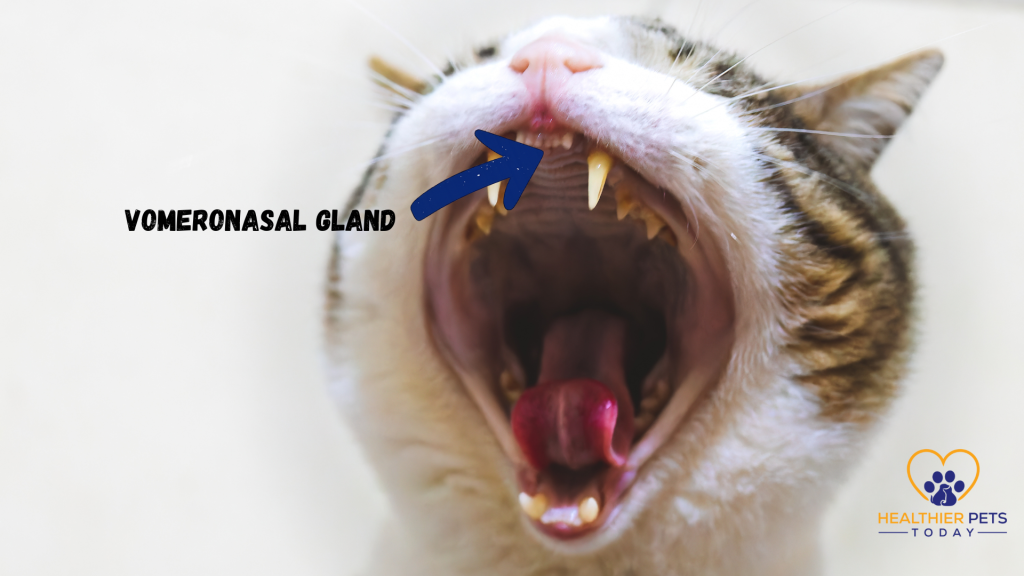
This gland helps cats smell the terpene chemical in catnip for cats, which is called nepetalactone. This chemical is found in the stems and leaves and stimulates certain brain chemicals in cats. More specifically, it affects parts of the brain that are responsible for mood and happiness. That’s why they call it a “feline high”.
Catnip Benefits for Cats
Here are several benefits of catnip for cats:
Great Enrichment Activity
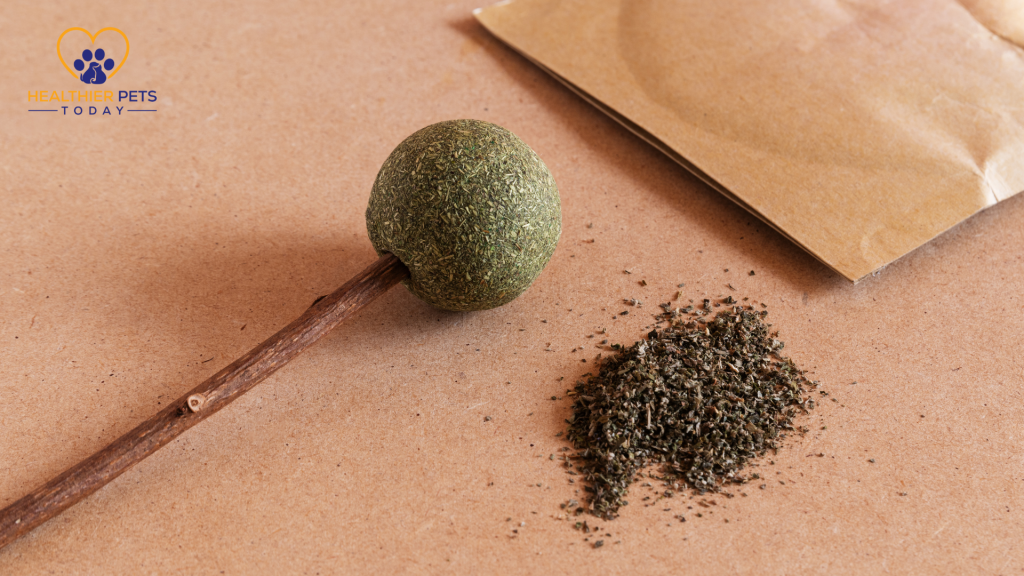
Depending on your cat’s response to catnip, it can be a great way to enhance their playtime and keep them engaged. Indoor cats need regular activities to stay both physically and mentally stimulated. A bored cat might resort to mischief, like scratching furniture, knocking things off counters, or ambushing your ankles. To prevent this, offer catnip to keep your cat entertained and distracted from causing trouble.
Help Relax Your Cat
Catnip can calm some cats, especially when they eat it instead of just smelling it. Many pet owners give their cats catnip to help lower anxiety and promote relaxation. Sprinkling catnip treats in the carrier before a vet visit, during a move, or when bringing a new pet home can help reduce stress and keep your cat calm. You can also mix a little dried catnip into your cat’s regular canned food to help them cope with stressful times.
Think of it as their chill pill… something that they can use to take the edge off.
A Soothing Bath Buddy
Bathing cats can be a nightmare. But what if it wasn’t? Using catnip can make it easier for both of you. Catnip can calm irritated skin, and its scent can help relax your cat [Small Door Veterinary]. If your cat is dirty and needs a wash but you’ve never bathed them before, catnip can make the experience better. Add a teaspoon of dried catnip or half a teaspoon of fresh catnip to a cup of boiling water. Let it steep for 5 minutes, then mix it into your cat’s bathwater. Check the water temperature and add their usual or medicated shampoo if needed. The catnip scent will stay on their fur, and the herbal infusion will soothe their skin.
Effective Bug Repellent
Cats enjoy it, but pests dislike catnip! The key component, nepetalactone, helps keep mosquitoes, ticks, and mites away. This essential oil is effective against these bugs. Catnip oil is ten times better than most repellents at keeping mosquitoes away. Although its safety for animals and humans hasn’t been confirmed, you may find that you and your cat experience fewer insect troubles if you grow catnip in your garden or use a catnip oil spray on your cat’s bedding.
Motivation and Training Reward
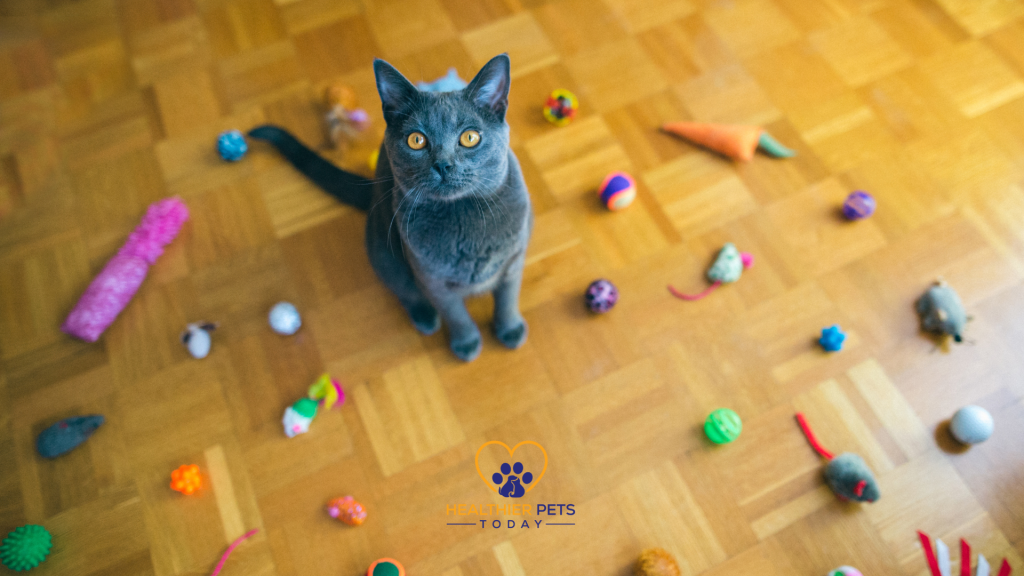
Teaching your cat to handle health procedures with positive reinforcement can reduce stress during vet visits [Roundwood Vets]. If your cat learns to stay still for shots, let you bathe them, jump into a carrier, or trim their nails, it benefits both of you. You can use catnip to reward the behaviors you want.
Just “mark” the good actions with a clicker or a word before giving your cat a catnip treat or a sprinkle of loose catnip. While many people think of positive reinforcement for dogs, it also works great for cats.
Works as an Anti-inflammatory
Catnip paste can help reduce swelling from wounds and arthritis in humans. Yes, that’s right, it’s more than a feel-good item. You can also use it to ease your cat’s joint pain. Just crush fresh catnip leaves with water to create a thick paste, then apply it to the sore joints. The good thing is that it’s safe if your cat licks it off!
It’s Safe
You don’t have to be concerned about your cat becoming addicted to catnip. It’s safe and non-addictive, so your cat can enjoy it often. It’s also non-toxic, meaning your cat can’t take too much. Some cats might experience vomiting or diarrhea if they eat too much catnip for the first time, but they will recover quickly without any long-term issues.
When Can I Give My Cat Catnip?
At what age can cats have catnip? There is no specific age for a cat to be able to have catnip. However, it only starts having effects after they are 6 months to a year old. Kittens and catnip don’t exactly work well together like it does with adults. Why? Their neurological receptors that respond to nepetalactone (active compound in catnip) are not fully developed yet.
This brings us to can kittens have catnip and is catnip good for kittens? The answer is yes. Just don’t give them too much. This actually applies to all ages and sizes of cats. The section discusses what happens to your cat if you give them too much (in detail).
Is Too Much Catnip Bad for Cats?
Can cats overdose on catnip? Yes and no. Although there are no seriously harmful side effects of catnip, and it’s unlikely for your cat to overdose, they can get sick. Catnip can affect a cat’s digestive system. Having too much can make them ill, causing an upset stomach. So, it’s best to start with just a pinch, wait to see their reaction, and work your way up.
Here are the catnip overdose symptoms to look out for:
- Diarrhea
- Vomiting
- Overstimulation
- Sedation
- Allergic reaction (skin irritation, excessive drooling)
- Seizures
Take your cat to the vet immediately if you notice these warning signs!
Are Cats Supposed to Eat Catnip?
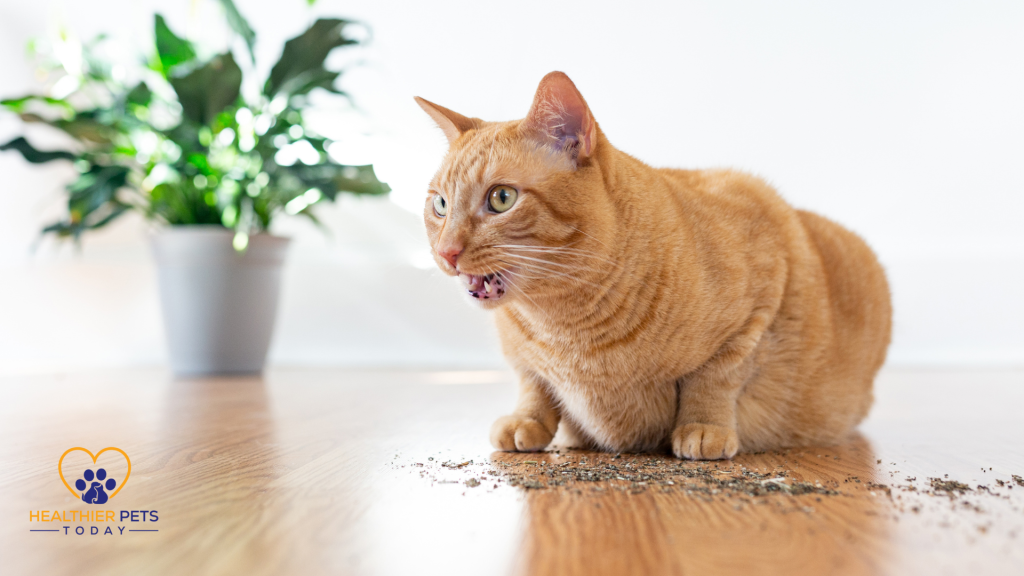
When it comes to cats and catnip, the most intense experience starts with a cat’s nose. Smelling the herb targets the “feel good” receptors in a cat’s brain, as mentioned earlier. This is usually when your cat will be playful, roll over, and get zoomies. What happens when cats eat catnip? If a cat decides to eat it instead, it can have the opposite effect, and instead of becoming hyper and excited, they will be calm and mellow.
Either way, it usually ends with your cat lying down and zoning out. Every cat is different, which means they won’t all have the same reaction, and some felines become aggressive and will growl and meow. They often try moving your hand away if it gets too close to their catnip or them while they enjoy it.
How Long Does Catnip Last?
Catnip doesn’t necessarily expire, but what does catnip do when it ages? Both direct catnip and catnip toys can lose their strength and potency [Toe Beans]. This means they won’t react to it or experience any of the benefits mentioned earlier.
Here’s a breakdown of the different forms of catnip and their lifespans:
Dried Catnip
- Shelf Life: If kept appropriately, dried catnip should last 6 months to 1 year before losing potency.
- Storage Tips: To get the most out of this product, store it in an airtight container in a dark area. It is sensitive to moisture, light, and air. Its quality may be reduced, and its effectiveness may be compromised.
Catnip Spray
- Shelf Life: Catnip sprays can last up to 6 months if stored correctly.
- Storage Tips: Close the spray bottle properly and leave it in a dark area with low temperatures, preferably in a refrigerator. Shake it before using to ensure the oil mixes well with the vinegar.
Fresh Catnip
- Shelf Life: Fresh catnip, when cut, can only last 2 or 3 days [Zach’s Pet Shop]. If preserved properly, it can last up to a week.
- Storage Tips: To prolong the catnip’s life, store it in the refrigerator, but remember to take it out and warm it up. It may be best preserved in small portions and used as necessary.
Catnip Toys
- Shelf Life: They may only last 6 – 12 months if used frequently and exposed to light.
- Storage Tips: To keep catnip toys effective, put them into an airtight container or a sack with extra catnip.
Conclusion: Why Does Catnip Matter to Your Cat?
Catnip, or Nepeta cataria, is an herb loaded with nepetalactone. This compound affects about two-thirds of cats by sparking excitement or calm, depending on whether they sniff or eat it. It benefits your feline friend by boosting playtime, reducing stress, repelling bugs, soothing skin, aiding training, and easing inflammation, all without safety concerns or addiction risks. Sniffing triggers a playful “feline high” for up to an hour, while eating promotes relaxation, though overdoing it might upset their stomach. Store it properly, dried for a year, sprays for six months, fresh for a week, and replace it when potency fades to keep your cat happy.
If you have any more questions, let us know in the comments. We’d love to help and get you answers!
Our articles are researched, edited and regularly reviewed. Sources and references supplied in the article remain part of the published content.