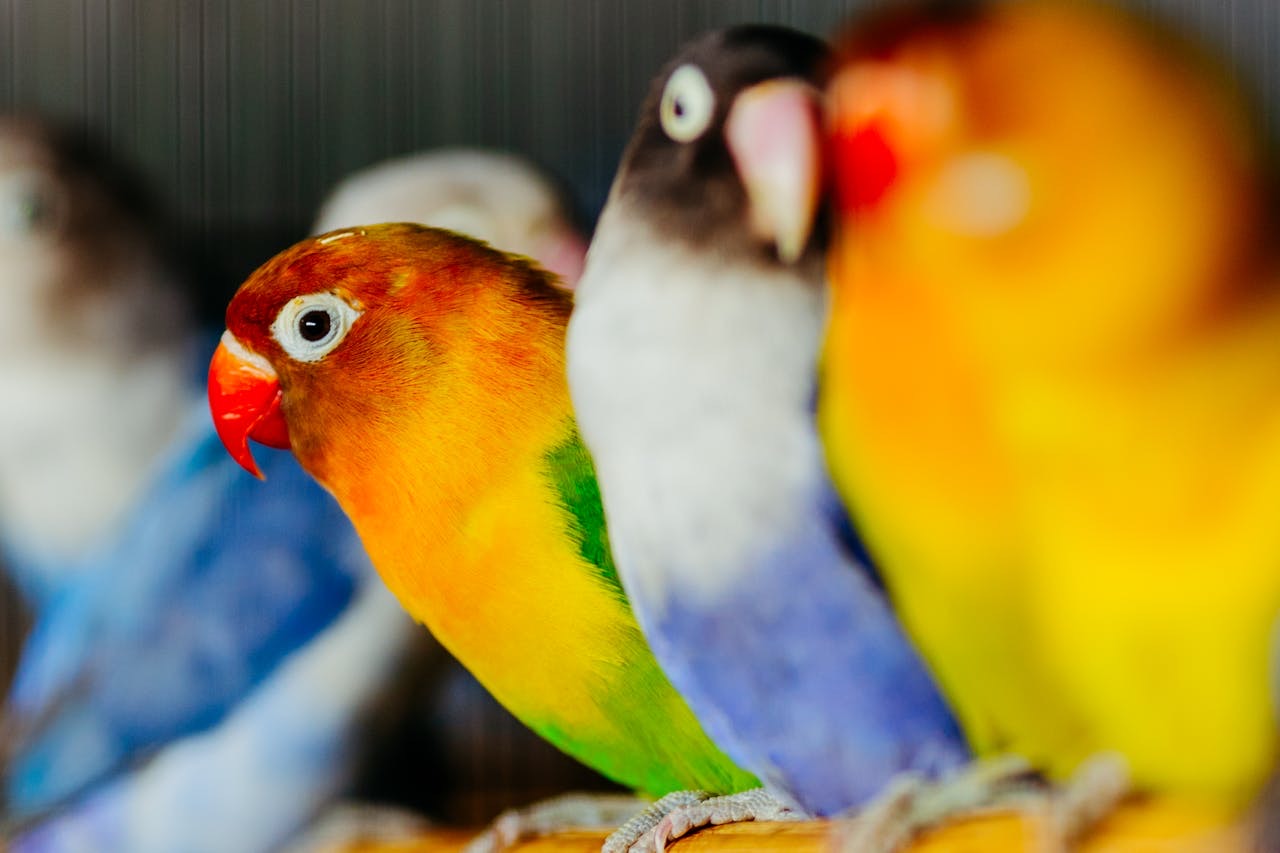
Can lovebirds have almonds? Almonds can be a great treat for your lovebird when offered correctly. They are nutritious, contain 14 grams of fat per ounce, and are rich in calcium, dietary fibre, and protein. This article discusses how to properly care for your lovebird, including safe snack options like almonds and takes a look at their life expectancy, too.
Table of Contents
Understanding Their Dietary Needs

Lovebirds primarily feed on grass seeds, vegetables, and fruits. Ensuring good nutrition starts with a balanced diet that includes the right vitamins and minerals. Providing adequate water, carbohydrates, protein, fat, and fiber is crucial. Relying solely on a seed diet can lead to malnutrition. While certain table foods are healthy for your lovebird, it’s essential to ensure they are free of any sauces or seasonings. If you have concerns about what to offer your lovebird, consult a veterinarian. Their professional advice can reassure you and provide the support needed to care for your pet.
How Long Do Lovebirds Live?
Several factors affect the lifespan of lovebirds in the wild, such as food or water shortages, unusual weather patterns, and predators. In the wild, lovebirds typically live between five to 15 years. However, lovebirds in captivity can live between 10 and 20 years with proper care.
Can Lovebirds Have Almonds?

Yes, they can safely eat almonds. When offering almonds, ensure they are either in the shell or properly cooked to eliminate mold spores. While almonds themselves are not toxic, microscopic molds that can develop on them are harmful to birds.
To mitigate this risk:
- Choose Human-Grade Unsalted Nuts: Opt for almonds that are free from salts and other additives.
- Offer Nuts in the Shell: This reduces the risk of mold and also provides mental stimulation as birds work to open them.
- Roast Your Own Nuts: Roasting at home can help kill any potential mold spores.
Almonds are nutritious, containing 14 grams of fat per ounce and are rich in calcium, dietary fiber, and protein. However, due to their high-fat content, almonds should be given in moderation as an occasional treat rather than a staple in your lovebird’s diet.
Other Safe Snacks for Lovebirds
In addition to almonds, there are various other safe snacks you can offer your lovebird:
- Fruits: Apples (without seeds), bananas, mangoes, papaya, kiwis, pineapple
- Vegetables: Green beans, carrots, spinach, zucchini, pumpkins, Brussels sprouts
- Others: Beans and sprouts, snap peas, pasta (plain), chili peppers, pistachios (unsalted)
Note: Always introduce new foods gradually and monitor your bird for any adverse reactions.
Foods to Avoid

Certain foods can be harmful or toxic to lovebirds. Avoid including the following in your lovebird’s diet:
Fruit Seeds and Pits
Some fruit seeds contain substances like cyanide, which are highly toxic to lovebirds. Ensure that the following seeds and pits are removed from fruits before offering them:
- Apple seeds
- Apricot pits
- Cherry pits
- Nectarine pits
- Peach pits
- Pear seeds
- Plum pits
Toxic Fruits
There are almost more toxic fruits that humans have fingers.
It includes the following:
- Avocado
- Rhubarb
- Citrus Fruits (Lemons, Limes, Oranges, Grapefruits)
- Grapes
- Tomatoes (Green parts)
- Persimmons
- Unripe Fruits
Tips for Feeding
- Provide Fresh Food Daily: Always offer fresh food and clean water each day. Remove any uneaten fresh fruits and vegetables after a few hours to prevent spoilage.
- Monitor Their Weight: Regularly check your lovebird’s weight to ensure they are maintaining a healthy size. Sudden weight changes could indicate health issues.
- Interactive Feeding: Lovebirds are intelligent and curious. Make feeding time engaging by hiding food in foraging toys or scattering seeds and pellets around their cage for them to find.
- Avoid Overfeeding: Lovebirds have small stomachs. Stick to recommended portions and limit treats to prevent obesity and other health problems.
FAQs
Can lovebirds eat other nuts?
Yes, lovebirds can enjoy a variety of nuts in moderation. Safe options include unshelled peanuts, walnuts, hazelnuts, chestnuts, and Brazil nuts. Additionally, provide a separate dish with a gravel or oyster shell and cuttlebone to supply the necessary calcium.
How often should I change their diet?
Monitor your bird’s food intake over several days to ensure they consume enough new foods. Change their food daily at approximately the same time each day to track intake and determine if all the food is being eaten.
What are the signs of a healthy diet in lovebirds?
Indicators of a healthy lovebird include bright and clear eyes, clean and shiny feathers, a good appetite and high energy levels.
What can I do to ensure my lovebird lives a long, healthy life?
Start with a proper diet by providing a quality, varied, fresh, and balanced range of foods. Ensure your bird receives all necessary vitamins and nutrients, and introduce new and different foods regularly to keep them excited and mentally stimulated.
Conclusion

Feeding your lovebird a balanced diet is vital for its health and well-being. By understanding its nutritional needs and selecting appropriate foods like almonds and other safe snacks, you can ensure your bird receives a healthy and varied diet tailored to its individual needs. Avoid common mistakes, introduce new foods gradually, and monitor food and water intake to prevent health issues. With proper diet and care, your feathered friend can enjoy a long and happy life by your side.
Our articles are researched, edited and regularly reviewed. Sources and references supplied in the article remain part of the published content.