
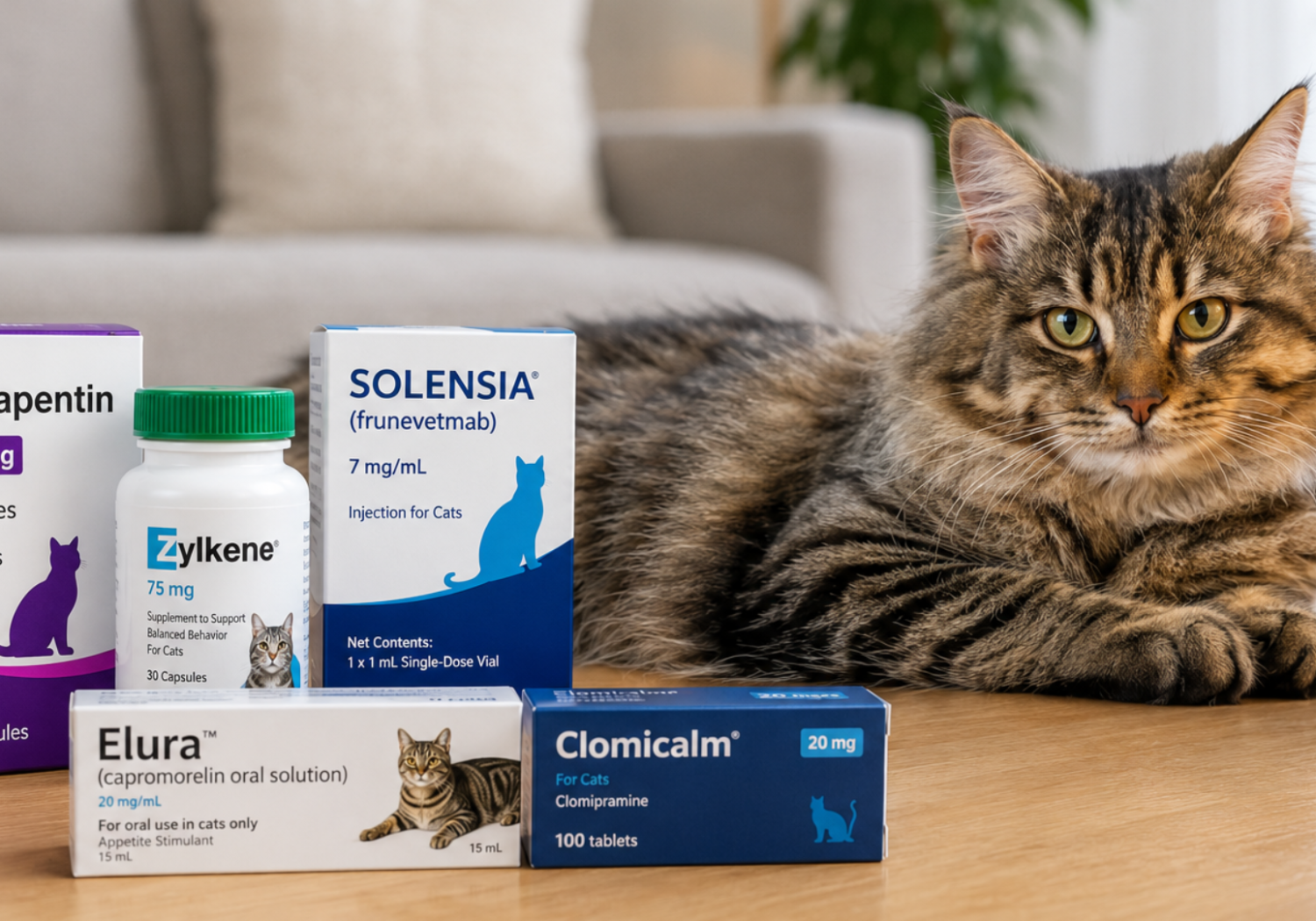
Is your cat acting stressed, jumpy, or just not themselves? If so, these 8 vet-approved anxiety meds for cats might be the peace they have been missing. Living with an anxious feline can be heartbreaking, but pharmaceutical and natural interventions can provide much-needed relief when environmental changes are not enough.
What Is Anxiety in Cats?
Anxiety in cats is the anticipation of a danger or threat. Even if your cat is not in actual danger, their perception of a threat triggers a physical and emotional response [petmd.com]. This can stem from a traumatic event, improper socialization during kittenhood, or changes in their environment, such as moving to a new home or adding a new family member.
Many fears, phobias, and anxieties develop as a result of experiences in the first year of a cat’s life. Pet parents often first notice signs between 5 months and 1 year of age. These issues often worsen as the cat ages, typically between 1 and 3 years old.
Do Anxiety Medications Work for Cats?
Yes, anxiety medications are effective tools for managing stress. Rather than “drugging” a cat, these treatments work by modifying brain chemistry, often by increasing levels of calming neurotransmitters like serotonin, to help them cope with stressors.
While environmental management is always the first step, supplements can yield a 25% improvement in signs, while medications should yield at least a 50% improvement. The goal is to make the cat the happiest and least-stressed version of themselves, not to change their personality or make them a “zombie”.
When Should Cats Be Given Anxiety Medication?
You should consider medication if your cat is too stressed to play or relax, or if they are facing a known trigger event. Vets often prescribe medication for:
- Chronic Anxiety: Daily support for ongoing issues like separation anxiety in cats.
- Short-Term Events: One-time doses for travel, vet visits, or grooming.
- Behavioral Issues: Situations where stress leads to urine spraying, aggression, or overgrooming.
Types of Anxiety Meds for Cats
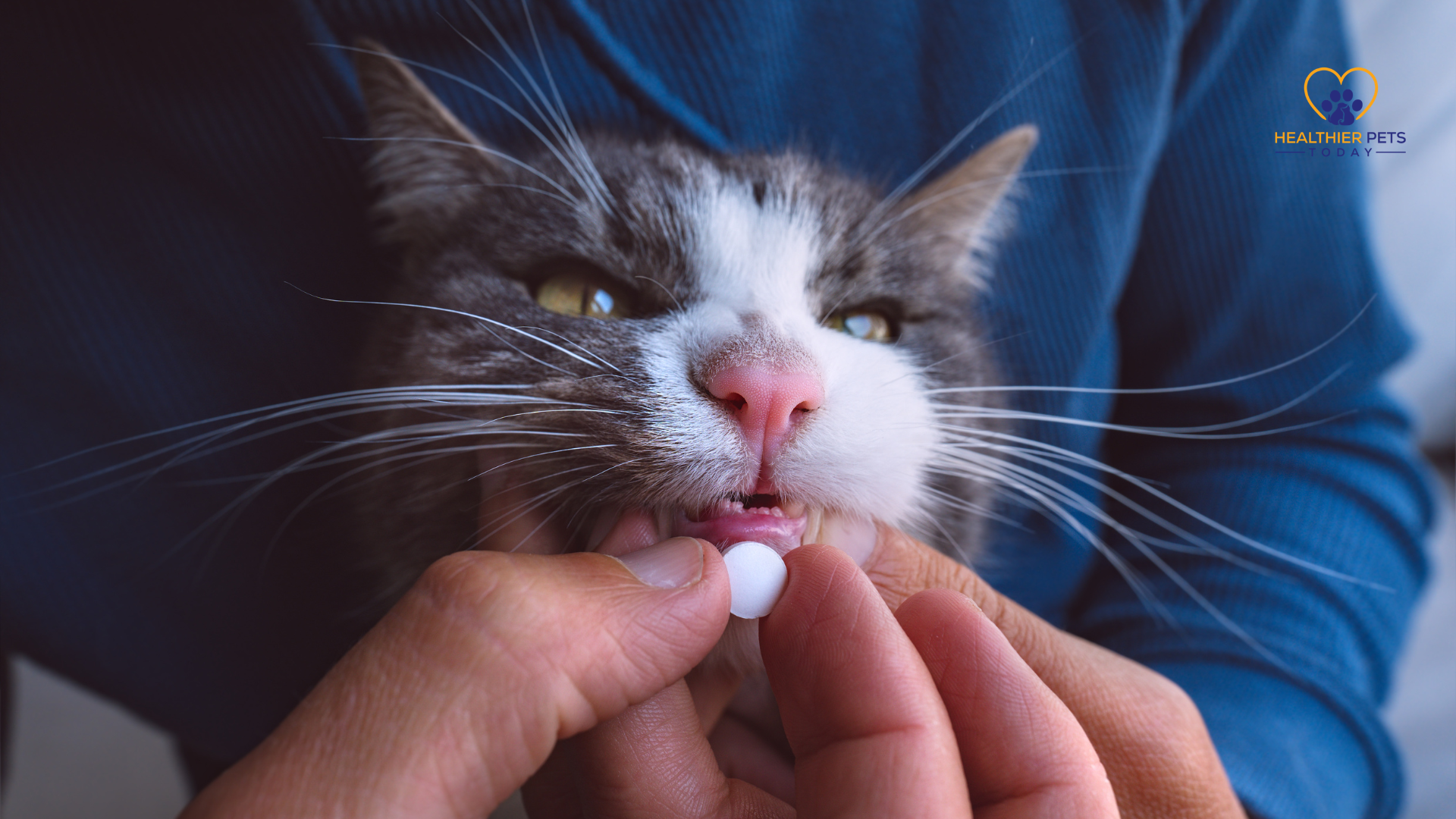
Medications fall into two main categories: daily long-term treatments and situational short-term “event pills”.
Vet-Prescribed Anxiety Meds for Cats
These medications require a professional diagnosis and prescription from your veterinarian.
- Fluoxetine: This is a selective serotonin reuptake inhibitor (SSRI) used for generalized anxiety, aggression, and compulsive behaviors. It helps boost serotonin levels to improve mood and behavior. It typically takes several weeks to see a significant change in behavior.
- Clomipramine: A tricyclic antidepressant (TCA) often prescribed for separation anxiety and urine spraying. It must be given daily and takes several weeks to reach full effect.
- Buspirone: This “bravery drug” pulls scared cats out of their shells and is particularly useful for social anxiety and motion sickness.
- Gabapentin: Traditionally for pain, this is now a “game-changer” for situational stress. Vets use it to calm cats before vet visits or travel. It significantly reduces fear and stress, making stressful situations more manageable.
- Trazodone: An event-based medication that increases serotonin levels to provide both sedation and anxiety relief during stressful moments like storms or vet visits.
Anxiety Meds for Cats Without a Vet Prescription
If you are looking for over-the-counter options, there are several supplements and products designed to soothe mild stress.
- Calming Diffusers: These release synthetic pheromones that mimic the natural “safe” scents cats use to mark their territory. For ongoing support, you can try the Virbac ZENIFEL Gel Diffuser for managing stress-related behaviors.
- L-Theanine Supplements: This green tea extract increases calming neurotransmitters in the brain. You can find these in convenient Calming Chews for Cats.
- Natural Stress-Relief Products: Probiotics can also play a role in emotional health. The Purina Pro Plan Calming Care Supplement uses specific strains of bacteria to help cats maintain calm behavior.
Natural vs Prescription Anxiety Treatment for Cats
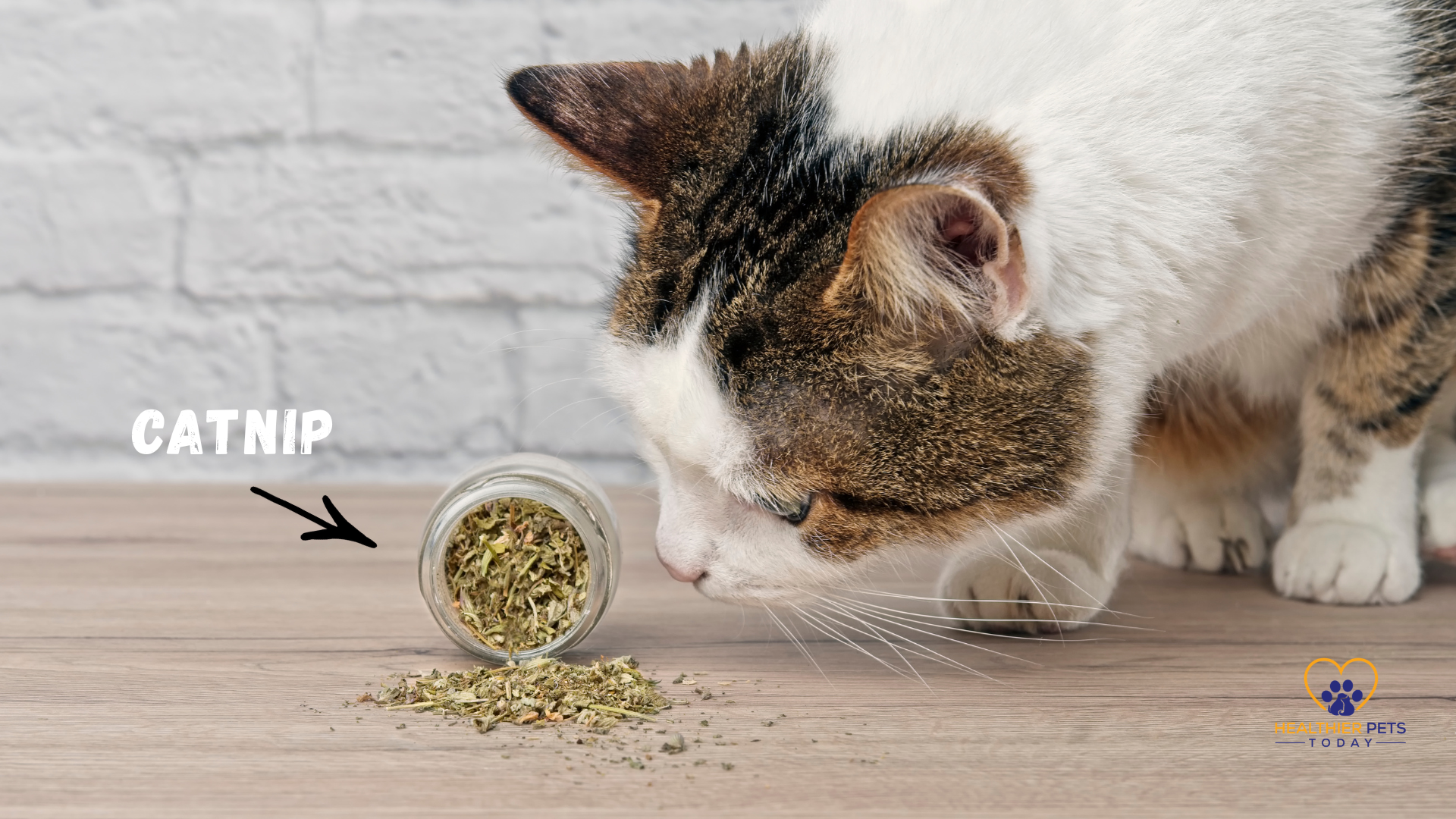
The choice between natural and prescription treatment often depends on the severity of the symptoms. Natural remedies like catnip, valerian root, or pheromone sprays are excellent for mild stress or as part of a category of cat care routine [animalessentials.com].
Over-the-counter products tend to be milder and may not have an immediate effect on a highly agitated cat. Prescription sedatives are usually more potent and should be used if the situation warrants it, though they may have more side effects. However, cats with severe cat PTSD or debilitating panic usually require the stronger, targeted approach of prescription pharmaceuticals.
Understanding Feline Stress Signals
Recognizing the signs of anxiety is the first step toward effective treatment. Cats communicate their distress through both physical and behavioral changes.
Behavioral Signs of Stress
- Increased Aggression: If a normally gentle cat suddenly swats or hisses, it may be a response to a perceived threat.
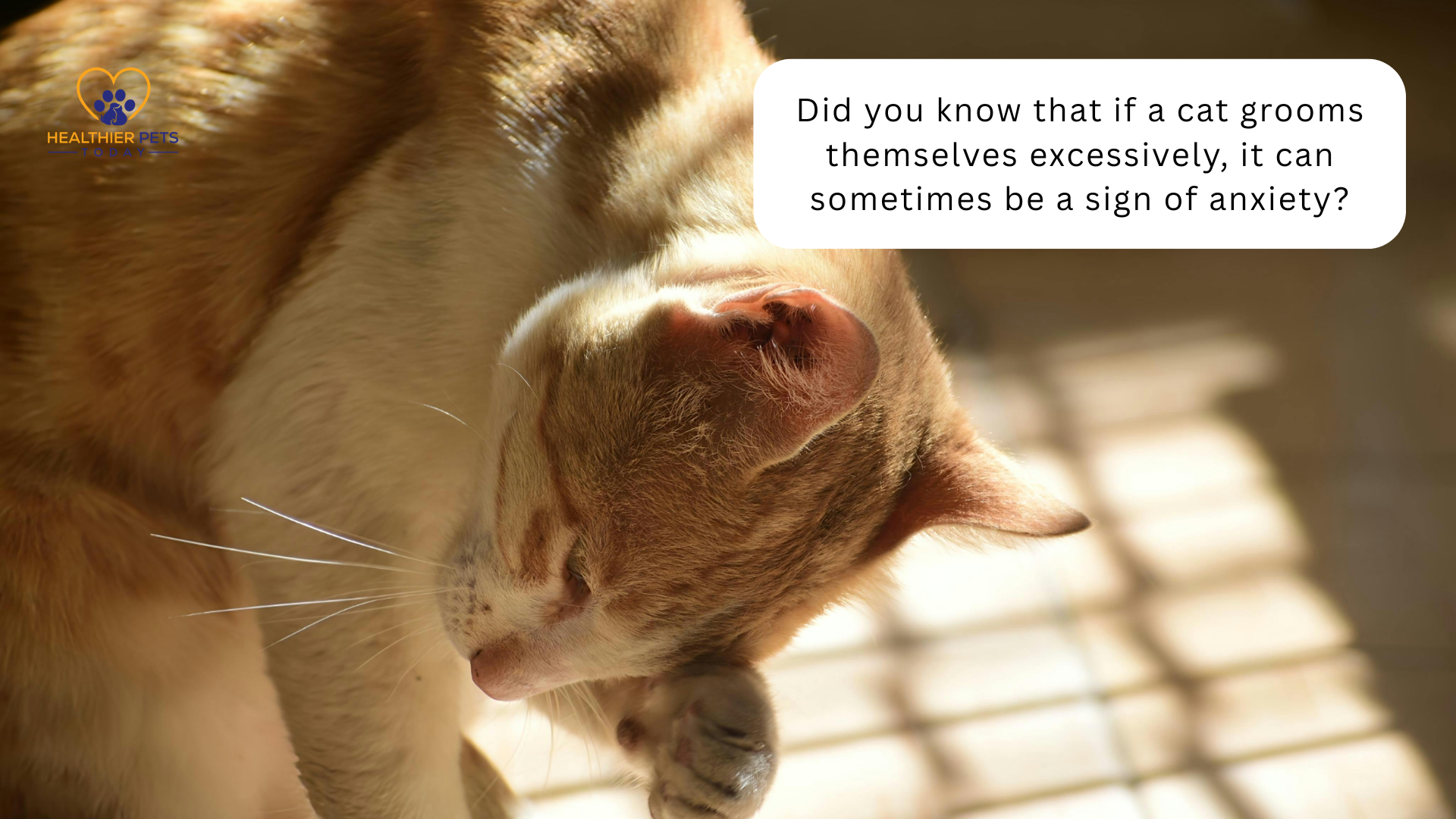
- Excessive Grooming: Cats often use grooming as a coping mechanism, but overdoing it can lead to bald spots and skin irritations.
- Changes in Appetite: Some cats lose their appetite when stressed, while others may overeat for comfort.
- Litter Box Issues: Stress can cause cats to urinate or defecate outside the litter box as a way to communicate their distress.
Physical Signs of Stress
- Increased Heart and Respiratory Rates: A stressed cat may pant or breathe rapidly [saharapinesah.com].
- Dilated Pupils: Partially to fully dilated pupils are a common indicator of fear.
- Body Language: Crouching, leaning away, and holding the tail tight against the body are clear signs of moderate to severe anxiety.
How to Help an Anxious Cat Beyond Medication
Medication is most effective when combined with behavioral and environmental changes.
Environmental Changes
Creating a “safe” home is critical. Provide elevated spaces like cat trees and quiet retreats like cardboard boxes or covered beds. Vertical space allows cats to survey their surroundings, which makes them feel more secure.
If your cat enjoys herbal stimulation, you might explore what does catnip do for their mood. You can even offer a small amount of catnip tea as a soothing treat. Foraging activities, such as hiding treats in egg cartons or cardboard boxes, can provide mental stimulation that reduces stress.
Routine and Enrichment
Cats thrive on predictability [feliway.com]. Establish a consistent schedule for feeding and playtime. Interactive play using fishing rod toys or feather teasers can help burn off energy and provide a positive outlet for natural hunting instincts.
Comfort Products
Sometimes, the right physical environment makes all the difference. Calming products like weighted blankets or round, fluffy beds can provide a sense of security for cats who feel exposed or jumpy. Leaving a radio or television on a low volume can also provide a comforting background noise for cats left alone.
Long-Term Effects of Untreated Anxiety
It is vital to address anxiety early to prevent long-term health issues. Chronic stress can suppress a cat’s immune system, making them more prone to infections and chronic conditions. For example, stressed cats are almost five times more likely to develop upper respiratory tract infections.
Prolonged stress can also lead to feline interstitial cystitis (FIC), a common and painful bladder inflammation. By managing stress levels effectively, you ensure your cat leads a healthier and happier life.
Practical Strategies for Specific Anxieties
Different types of anxiety require different management approaches.
Separation Anxiety
To help a cat that struggles when you leave, try to make your departures and arrivals as uneventful as possible. Avoid lengthy goodbyes and wait until your cat is calm when you return before giving them attention. You can also encourage independence by providing enrichment activities like puzzle feeders that keep them busy while you are away.
New Additions to the Household
Bringing a new pet or person home can be a major stressor. It is important to introduce changes gradually and provide each cat with their own resources, like litter boxes and food bowls, to avoid competition and conflict.
Conclusion: Always Remember This!
Treating cat anxiety is a multi-modal journey. Whether you choose a daily prescription or a natural supplement, the goal is to give your feline friend a better quality of life. Always consult your vet before starting any new treatment to ensure it is the right fit for your cat’s specific needs. By combining medication with environmental enrichment and a stable routine, you can help your anxious cat find the peace they deserve.
FAQs
How do you treat anxiety in cats? Treatment involves a combination of identifying stressors, modifying the environment with safe spaces, using pheromone products, and potentially starting anti-anxiety medication or supplements.
What is the best anxiety medication for cats? The “best” med depends on the cat’s specific condition. Fluoxetine is common for daily chronic stress, while Gabapentin is highly effective for short-term events like vet visits or travel.
How do you know if a cat has anxiety? Common signs include hiding, excessive grooming, urinating outside the litter box, increased aggression, and changes in appetite or vocalization.
What is a natural stress reliever for cats? Natural options include pheromone diffusers, L-theanine supplements, and herbs like catnip, silver vine, and valerian root.
What do vets give cats to calm them down? Vets often use situational medications like Gabapentin or Trazodone for immediate calming during exams or stressful events.
Our articles are researched, edited and regularly reviewed. Sources and references supplied in the article remain part of the published content.


