


Is your dog scratching a lot or acting off for no apparent reason? Food allergies in dogs might be the pesky trouble behind those issues, causing problems like itchy skin or upset stomachs. These hidden allergies can bother your pup for weeks and affect about one in fifty dogs.
Whether you’re trying to figure out your dog’s symptoms or just want to learn more, you’re in the right place. Here you’ll discover what these allergies are, how to identify them, what causes them, and simple ways to help your dog feel better.
So, let’s break it down!
What Are Food Allergies in Dogs?
A food allergy in dogs happens when your dog’s body thinks a food is harmful, setting off a reaction with antibodies that cause problems like itching or redness. Unlike food intolerances, which just upset the stomach, food allergies in dogs affect the skin or gut. Approximately 1-2% of dogs develop these allergies, typically between the ages of 1 and 5, with breeds such as Bulldogs or Labradors being more prone to them.
A 2024 study found that 3% of Bulldogs exhibit symptoms of food allergy, compared to 1% of other dogs. Foods like beef or chicken often cause trouble, but any food can be a problem. Intolerances might cause bloating, while allergies involve the immune system. Knowing this helps you identify and address symptoms of food allergies in dogs, keeping your dog happy.
Signs of Food Allergies in Dogs
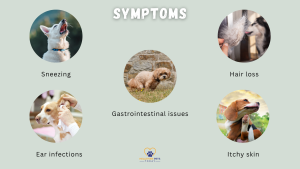

Spotting signs of food allergies in dogs can be like solving a puzzle, as symptoms often resemble other issues, such as flea bites or pollen reactions.
Veterinarians point to these symptoms of food allergies in dogs to watch for:
- Itchy Skin: Constant scratching, especially on the ears, paws, or belly, is a big sign of allergies in dogs’ skin. Approximately 70% of dogs with allergies experience itching, which often results in red spots.
- Red Skin: Red or bumpy skin, often found on the face, legs, or abdomen, affects approximately 60% of dogs with food allergies.
- Ear Problems: Ongoing ear infections, characterized by redness, wax, or unpleasant odors, affect approximately 50% of dogs with food allergies and require regular cleaning and treatment to manage effectively.
- Stomach Issues: Vomiting or diarrhea occur in 20-30% of cases, indicating symptoms of food allergy in dogs, particularly in young dogs [akc.org].
- Paw Chewing: Licking or chewing paws, sometimes until sore, is a clue for food allergy symptoms in dogs.
- Fur Loss: Patchy or thin fur, often on the back or sides, is frequently caused by scratching in 40% of cases.
- Mood Changes: Being cranky or less playful from discomfort can happen, though it’s rare.
Most Common Food Allergies in Dogs
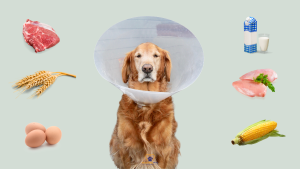
The most common allergies in dogs are surprising!
Take a look:
Beef
That’s right. Beef is the leading cause of common food allergies in dogs, affecting approximately 34% of dogs, according to veterinary studies. Found in many dog foods, it often causes skin allergies, leading to itching or red spots, especially in Bulldogs. Ear infections or paw chewing can start after months of eating beef. Switching to foods with duck or venison can help alleviate food allergy symptoms in dogs, but be sure to check treats for beef to avoid potential problems.
Dairy
Dairy, like milk or cheese, causes trouble in 17% of dogs with food allergies. Proteins in dairy can cause itchy skin or diarrhea, especially in small breeds like Chihuahuas, which have sensitive stomachs. Symptoms of food allergy in dogs caused by dairy may take weeks to appear. Avoiding dairy treats and checking for milk in foods keeps your dog comfortable.
Chicken
Chicken, common in dog foods, triggers 15% of allergies in dogs [simplynakedpetfood.com]. It often causes red spots or rashes, similar to those found on beef, and sometimes vomiting, especially in Retrievers. Using fish or kangaroo-based foods can help alleviate food allergy symptoms in dogs, but avoid chicken-flavored treats or broths.
Wheat and Soy
Wheat and soy cause problems in 13% of dogs, with the most common food allergies in dogs, especially in grain-filled foods. They can lead to itchy skin, ear infections, or bloating, particularly in Boxers. Symptoms of food allergies in dogs caused by grains can resemble those of other allergies, making diagnosis challenging. Grain-free foods, such as those with sweet potatoes, can be beneficial, but ensure the diet includes all the necessary nutrients.
Eggs
Eggs affect 10% of dogs, often found in treats or canned food. They can also cause red patches or stomach upset, especially in German Shepherds. Symptoms of food allergies in dogs usually develop slowly, so it’s essential to keep a close watch. Using egg-free foods and treats stops reactions.
Lamb and Corn
Lamb and corn, once thought safe, now cause issues in 5-8% of dogs with common food allergies in dogs because they’re used a lot in dog foods [veterinaryskinandear.com]. They can lead to itching, ear infections, or fur loss, especially in Labradors. Food allergy symptoms in dogs can be alleviated by feeding them foods with new proteins or carbohydrates, such as kangaroo or peas, to prevent problems.
How to Diagnose Food Allergies in Dogs
Finding food allergies in dogs is like solving a mystery, needing careful steps to find the cause.
Veterinarians use these methods to confirm a food allergy in dogs:
- Elimination Diet: The best way to find food allergy symptoms in dogs. Feed a new protein, like duck or venison, and one carb, like sweet potato, for 8-12 weeks. Avoid treats, scraps, or flavored medications, as even one bite can compromise the test. Approximately 80% of dogs experience improved skin after this, but it’s challenging to resist the temptation of treats.
- Track Symptoms: Write down symptoms of food allergies in dogs, like itching or diarrhea, in a notebook or app like Pet Diary. Note when symptoms worsen, such as after eating chicken treats, to find clues.
- Vet Exams: Exams check for fleas or other allergies. Blood or saliva tests for food allergies in dogs are only 30% accurate, but they can rule out other issues [sites.tufts.edu].
- Skin Tests: Skin tests rarely work for food allergies, but they may help identify other causes, which can help narrow down the signs of food allergies.
- Check Progress: Watch skin or stomach changes weekly on the new diet to see if it’s working.
Elimination diets are the most accurate, but they require effort to identify food allergy symptoms in dogs.
Can Food Allergies in Dogs Be Cured?
Sadly, food allergies in dogs can’t be fixed for good, as they come from the immune system overreacting. Avoiding problem foods helps 90% of dogs remain symptom-free, according to veterinary studies. Some dogs may tolerate small amounts of allergens later, but reintroducing them can trigger symptoms of food allergy in dogs.
Studies on administering tiny amounts of allergens show that 20% of dogs exhibit less sensitivity, but this isn’t yet a common phenomenon [medi-tec.se]. Managing their diets carefully is the best way to control food allergy symptoms in dogs.
Tips for Preventing Flare-Ups
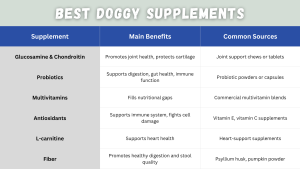
Try these vet-backed tips to help symptoms of food allergies in dogs:
- Use Safe Foods: Pick simple foods like Blue Buffalo Basics or vet foods like Hill’s Prescription Diet z/d or Royal Canin Hydrolyzed Protein to avoid common food allergies in dogs.
- Soothe Skin: Use oatmeal shampoos, such as Douxo S3 Calm, to soothe irritated skin. Wipes help clean sore paws or ears.
- Help Digestion: Serve smaller meals more frequently and add probiotics, such as Purina FortiFlora, to alleviate diarrhea, a common digestive symptom.
- Check Labels: Look for allergens like chicken or soy in treats, chews, and supplements, even in so-called “healthy” foods.
- Clean Bowls: Wash bowls daily with hot, soapy water to avoid mixing in problem foods.
- Add Foods Slowly: Try new foods over a period of 2 weeks, watching for signs of food allergies in dogs, such as itching or redness.
- Keep Things Clean: Wash bedding weekly to reduce dust and pollen, which can exacerbate skin allergies.
- Use Supplements: Omega-3 supplements can help improve skin health and reduce inflammation and swelling.
- Visit the Vet: Get checkups twice a year to catch new problems or changes in food allergy symptoms in dogs.
These tips keep your dog comfortable and happy.
Conclusion: Help Your Dog Thrive
No need to let food allergies in dogs slow your pup down! By spotting signs of food allergies in dogs, like itching or ear problems, you can use elimination diets and safe foods like Hill’s z/d. Calm food allergies in dogs skin with oatmeal shampoos and keep foods like beef or wheat away. With smart steps to handle common food allergies in dogs, your dog can get back to a fun, healthy life.
You’ve got this, and your pup will thank you!
FAQs
What is the most common food allergy in dogs?
Beef is one of the most common food allergies in dogs, affecting approximately 34% of dogs with allergies, followed by dairy and chicken, according to veterinary studies.
What are the most common signs of food allergies in a dog?
Itching, red skin, ear infections, and paw licking are key signs of food allergies in dogs, with food allergies in dogs skin being most common.
Can you test a dog for food allergies?
Elimination diets are the most effective way to identify food allergies in dogs, as blood or saliva tests are only 30% accurate, according to veterinarians.
Can you cure a food allergy in a dog?
Food allergies in dogs can’t be cured, but avoiding problem foods keeps symptoms of food allergy in dogs under control in 90% of cases [four-paws.org.za].
How long does it take for dog allergies to clear up?
With an elimination diet, symptoms of food allergies in dogs can often outperform other methods, typically improving within 8-12 weeks, although skin issues may take longer to resolve.
What is the difference between a dog food allergy and food intolerance?
A food allergy in dogs involves the immune system, causing skin irritation or itching, while intolerances cause stomach problems without triggering an immune reaction.