
Home Remedies for Dog Ear Infections That Work
Ever catch your dog frantically scratching their ears or shaking their head like they’re trying to fling something out? It’s heartbreaking, and it might mean an ear infection is making them miserable. The good news? A home remedy for dog ear infection can work wonders to ease that itch and pain.
With a few simple tricks, you can help your pup feel like their happy, tail-wagging self again and keep those pesky infections at bay. This article explains what ear infections are, how to identify them, what causes them, and offers home remedies for dog ear infections that can provide effective relief.
Let’s begin!
What are Ear Infections in Dogs?
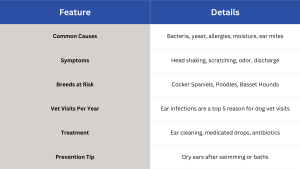
Ear infections in dogs happen when bacteria, yeast, or irritants throw the ear’s natural balance out of whack. They usually start in the outer ear canal but can spread deeper if left untreated, causing significant discomfort. Breeds with floppy ears, like basset hounds or cocker spaniels, are especially prone since their ears trap moisture and gunk. These infections can cause itching, pain, or swelling, leaving your dog irritable. Dog owners often notice their pup shies away from ear scratches, a sure sign that it’s time to try at home remedies for dog ear infections.
The severity can vary from a mild annoyance to something that requires a veterinarian’s attention. Things like damp ears from swimming or allergies can set the stage for trouble. Ear mites or debris buildup can also urge the need for a home remedy for dogs ear infection. Knowing what’s going on lets you act fast to get your pup back to their playful ways.
The Symptoms of Dog Ear Infections
Catching an ear infection early is crucial for using home remedies for ear infection in dogs before the condition worsens. Your dog’s behavior will tip you off if you know what to watch for, and it’s hard to miss their discomfort.
Here are common symptoms of ear infections:
- Scratching at their ears constantly or rubbing them on furniture or the floor.
- Shaking their head a lot or tilting it to one side, sometimes obsessively.
- Redness, swelling, or a funky smell wafting from their ears.
- Discharge that looks brown, yellow, green, or crusty and gross.
- Whining or pulling away when you try to touch their ears, showing they’re in pain.
These signs are your dog’s way of saying they need some relief fast.
What Causes These Ear Infections?
Ear infections come from things that mess with your dog’s ear environment, and figuring out the culprit can help you prevent them. A home remedy ear infection for dogs can tackle the issue once you know what’s behind it.
- Moisture: Wet ears from baths, swimming, or humid days create an ideal environment for bacteria and yeast to grow.
- Allergies: Food sensitivities or environmental triggers, such as pollen, can cause inflammation in the ears, increasing the risk of infection.
- Ear Mites: These tiny pests cause intense itching, particularly in puppies and dogs that are around other animals.
- Wax or Debris: Built-up wax, dirt, or hair traps germs, particularly in breeds with furry ears.
- Injury: Scratches or cuts in the ear canal from rough play or foreign objects can lead to infection.
Identifying these triggers early helps you maintain your dog’s ear health.
Home Remedies for Dog Ear Infections

Using home remedies for dog ear infection issues can gently ease mild symptoms and make your pup more comfortable. If things appear severe, consult your veterinarian first.
Here are five remedies you can try at home to help your dog feel better:
Cleaning with Vinegar and Water
Cleaning is often the first step in treating an ear infection in dogs with a home remedy. A simple mix of white vinegar and water can clear out debris and restore balance to your dog’s ears.
- Mix one part white vinegar with one part water in a clean bowl.
- Dip a cotton ball in the solution and gently wipe the outer ear.
- Keep a safe distance from the ear canal to prevent any harm [hospital.vetmed.wsu.edu].
- Clean once a day for three to five days to reduce irritation.
This easy method helps soothe mild infections and keeps ears clean.
Applying Coconut Oil
Coconut oil is a go-to for home remedies for dog ear infections because it’s soothing and helps fight bacteria. It’s perfect for calming minor irritation without being harsh.
- Warm a small amount of pure coconut oil until it’s liquid but not hot.
- Use a clean dropper to put four to six drops in the ear.
- Gently massage the base of the ear to spread the oil evenly.
- Wipe off any excess with a soft cloth to keep things tidy.
This remedy helps calm itching and inflammation in mild cases.
Using Aloe Vera Gel
Aloe vera is a gentle choice for easing ear discomfort. It helps cool down redness and swelling, especially for sensitive ears.
- Get pure, organic aloe vera gel from a trusted pet-safe brand.
- Apply a small amount to a cotton pad and gently wipe the outer ear.
- Avoid pushing gel deep into the ear canal to prevent irritation.
- Use once daily for 4 to 5 days to ease discomfort.
This works great for dogs with mild ear issues.
Adding Witch Hazel
Witch hazel can reduce inflammation and itching in the outer ear. It’s a solid choice for minor ear problems.
- Dilute witch hazel with equal parts water to avoid any stinging.
- Soak a cotton ball in the mixture and gently wipe the outer ear.
- Dry the ear with a clean cloth to prevent moisture buildup.
- Apply once daily for three to four days to relieve symptoms.
This remedy helps with minor irritation, but discontinue use if it doesn’t provide relief.
Trying Warm Compresses
Warm compresses are a simple yet effective way to ease pain from an ear infection, making your dog feel more at ease in no time.
- Soak a clean washcloth in warm water (not hot) and wring it out thoroughly.
- Hold the compress against the outer ear for two to three minutes.
- Repeat this exercise two to three times a day to help reduce pain and swelling [oldderbyah.com].
- Dry the ear thoroughly afterward to avoid moisture problems.
This method soothes your dog and pairs well with other remedies.
Tips to Prevent Ear Infections
Keeping your dog’s ears healthy can stop infections before they start. These quick tips help maintain ear health with easy habits.
They are:
How Often to Clean
Regularly cleaning your dog’s ears prevents infections. Use a vet-approved cleaner or vinegar-water mix weekly, wiping the outer ear with a cotton ball. Avoid inserting anything into the ear canal to prevent irritation. Check for redness or odor to catch problems early.
Keeping Their Ears Dry
Moisture is a significant trigger for infection, so keeping ears dry is essential. Towel-dry your dog’s ears after baths or swims. Use a pet-safe ear-drying solution for frequent swimmers. Trim ear hair for long-haired breeds to improve airflow and prevent ear infections.
When Should You See a Vet?
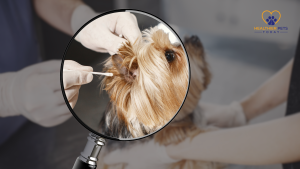
Some ear infections are too stubborn for home remedies for ear infection in dogs and require a vet’s expertise to avoid more serious issues. Your dog will show clear signs when it’s time to get professional help.
The signs are:
- Symptoms stick around after a few days of home remedies.
- You see heavy discharge, a strong odor, or blood in the ear.
- Your dog seems to be in severe pain or discomfort.
- Signs such as loss of balance, hearing trouble, or extreme head tilting appear.
- Infections keep coming back, suggesting a deeper issue, such as allergies.
Reaching a veterinarian quickly ensures your dog receives the care it needs.
Conclusion: Can You Treat These Infections at Home?
Ear infections can turn your dog’s happy barks into whines, but a home remedy for ear infection in dogs can make a big difference. From vinegar cleanses to warm compresses, these tricks soothe itching and pain fast. Spotting symptoms and causes early lets you act quickly. Regular cleaning and drying help keep ears healthy and ear care stress-free. If symptoms don’t budge, a vet visit is key.
With these home remedies for dog ear infection, your pup can get back to tail-wagging fun in no time.
Our articles are researched, edited and regularly reviewed. Sources and references supplied in the article remain part of the published content.


