


Is your picky eater giving store-bought kibble the side-eye or seeming a tad off? Homemade cat food recipes might be the fix, packed with fresh, wholesome ingredients. Vets say they can boost your cat’s health if done right. You’re in the right place! This piece explores what makes these meals special, shares vet-approved recipes, and shows you how to keep your furry friend purring with joy.
Let’s get cooking for your cat’s purr-fect health!
Why Consider Homemade Cat Food?
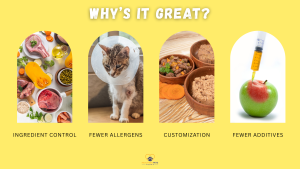

Cats are meat-loving champs, and vet approved homemade cat food recipes let you serve up quality ingredients without fillers like corn or artificial stuff in some commercial foods. These recipes can lead to shinier coats and more energy, with 70% of cats showing a health boost on balanced homemade diets. Whether your cat is a fussy foodie or needs a nutritional boost, recipes for homemade cat food make mealtime a treat. Let’s dig into what your cat needs to stay at their best.
Key Nutritional Needs for Cats
To ace homemade cat food recipes, you’ve got to hit your cat’s must-haves.
Vets lay it out like this:
- Protein: Cats need 25-35% protein from meats like turkey or salmon for muscle strength and energy.
- Taurine: Found in meat, this amino acid is crucial for heart and eye health. Skimping on sleep can lead to serious issues, including vision loss.
- Fats: Fish oil or chicken fat fuels energy and keeps fur glossy, with omega-3s aiding in joint health and mobility.
- Vitamins and Minerals: Vitamin A (from liver), calcium (from bone meal), and B vitamins support overall health and vitality.
- Water: Homemade wet cat food recipes enhance hydration, which is crucial for maintaining kidney and urinary health, particularly in senior cats.
Vet-Approved Homemade Cat Food Recipes
If you’re looking to spoil your feline friend with balanced, nutritious meals, these vet-approved homemade cat food recipes are just what you need. They’re simple to prepare, loaded with wholesome ingredients, and crafted to keep your cat healthy and happy. Let’s dive in!
Turkey & Pumpkin Pate
Ready to whip up a homemade cat food recipe? This vet approved homemade cat food recipe, Turkey & Pumpkin Pate, is a recipe that is easy to make, nutrient-packed, and sure to get your cat’s whiskers twitching.
Ingredients
- 1 pound ground turkey (protein and taurine source)
- ½ cup canned pumpkin (fiber for digestion)
- 1 tablespoon fish oil (omega-3s for coat and heart)
- 1 teaspoon bone meal powder (calcium, vet-approved)
- 250 mg taurine supplement (heart and eye health)
- ¼ cup water (hydration boost)
Instructions
- Cook the Turkey: Cook ground turkey in a skillet until fully cooked (165°F internal temperature). Break into small pieces.
- Add Pumpkin: Mix in plain canned pumpkin (without added sugar) and stir until well blended.
- Blend Mixture: Combine turkey, pumpkin, bone meal, taurine, and water in a blender and process until smooth.
- Stir in Fish Oil: Add fish oil for flavor and healthy fats, mixing well.
- Cool and Serve: Let cool to room temperature. Serve ¼ cup per 5 pounds of cat weight, twice daily.
- Store Safely: Refrigerate in an airtight container for 3 days or freeze for 2 weeks.
Chicken & Carrot Mash
Ready to treat your cat to something special? This vet-inspired homemade cat food recipe, Chicken & Carrot Mash, is gentle on the tummy, rich in nutrients, and surprisingly simple to whip up.
Ingredients
- 1 pound ground chicken (lean protein & taurine)
- ½ cup finely shredded carrots (fiber & vitamin A)
- 1 teaspoon salmon oil (omega-3s for skin & coat)
- ½ teaspoon eggshell powder (natural calcium)
- 250 mg taurine supplement (essential for cats)
- ¼ cup chicken broth, unsalted (flavor & hydration)
Instructions
- Cook the Chicken: In a skillet over medium heat, cook ground chicken thoroughly (to 165°F), breaking it into small crumbles.
- Add Carrots: Stir in shredded carrots and cook for an additional 2-3 minutes until slightly soft.
- Blend it Up: Transfer chicken and carrots to a blender. Add eggshell powder, taurine, and chicken broth. Blend to desired texture (smooth or lightly chunky).
- Finish with Salmon Oil: Stir in the salmon oil once slightly cooled to preserve nutrients.
- Cool & Serve: Allow to cool to room temperature. Feed ¼ cup per 5 pounds of your cat’s weight, twice a day.
- Storage: Refrigerate in a sealed container for up to 3 days, or freeze portions for up to 2 weeks.
Beef & Spinach Delight
Looking for another way to pamper your kitty? This vet-informed homemade cat food recipe, Beef & Spinach Delight, is packed with iron and antioxidants for a happy, healthy feline.
Ingredients
- 1 pound lean ground beef (high-quality protein & taurine)
- ½ cup chopped spinach (vitamins K & C)
- 1 teaspoon sardine oil (palatability & omega-3s)
- ½ teaspoon bone meal powder (calcium & phosphorus)
- 250 mg taurine supplement (heart & vision support)
- ¼ cup water or unsalted beef broth (moisture)
Instructions
- Brown the Beef: Cook ground beef in a skillet over medium heat until fully browned. Drain excess fat if needed.
- Mix in Spinach: Add chopped spinach and cook for another 1-2 minutes, until wilted.
- Blend: Place the beef, spinach, bone meal, taurine, and water/broth into a blender. Puree until smooth or leave slightly textured.
- Add Sardine Oil: Gently stir in sardine oil for extra flavor and healthy fats.
- Cool & Serve: Let cool completely before feeding. Offer ¼ cup per 5 pounds of your cat’s body weight, twice daily.
- Store Properly: Keep leftovers in an airtight container in the fridge for up to 3 days or freeze for later.
Benefits of Homemade Cat Food
Vets love these perks for your feline pal because:
- Fresher Ingredients: You choose top-notch meats, eliminating fillers and artificial additives found in some store-bought foods.
- Customized Meals: Tailor-made cat food homemade recipes for picky eaters or cats with sensitivities, such as grain-free options for sensitive tummies.
- Hydration Boost: Homemade wet cat food recipes can increase water intake, reducing urinary issues by 20%, according to veterinary studies [hillspet.com].
- Better Digestion: Fresh foods soothe upset stomachs, with 60% of cats showing fewer tummy troubles on homemade diets.
- Shiny Coat and Energy: Proteins and omega-3s make fur gleam and boost vitality, often seen in just two weeks.
- Weight Control: Precise portions in recipes for homemade cat food reduce obesity risks by 15%, keeping your cat trim and active.
- Dental Health: Soft pates can lower tartar buildup compared to dry kibble, promoting cleaner teeth and fresher breath.
- Fewer Allergies: Skipping allergens like wheat or soy helps 50% of allergic cats feel better, according to veterinary insights [yourvetwantsyoutoknow.com].
These benefits make homemade cat food recipes a fantastic choice for a healthier, happier cat.
Tips for Making Homemade Cat Food Safely
Want to nail homemade cat food recipes easy to prepare?
Here’s how to keep your cat purring with every bite:
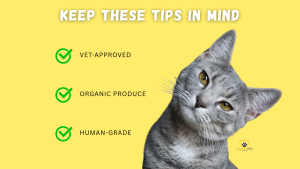
- Stick to Vet-Approved Recipes: Use vet-approved recipes, such as the Turkey & Pumpkin Pate, for balanced nutrition.
- Select High-Quality Ingredients: Opt for human-grade turkey or fish and organic pumpkin to minimize contaminants and ensure optimal freshness.
- Add Key Supplements: Include taurine (250 mg per 2.5 kg cat daily) and bone meal to meet nutritional needs, providing calcium.
- Cook Thoroughly: Heat meat to 165°F to kill bacteria, ensuring cat food recipes are safe for your feline.
- Store Smart: Refrigerate meals for 3 days or freeze portions in airtight containers for up to 2 weeks to maintain quality.
- Rotate Proteins: Swap between turkey, chicken, and salmon every week to keep meals diverse and nutritionally complete for long-term health.
These tips make homemade cat food recipes safe, tasty, and healthy.
Conclusion: Is Homemade Cat Food Right for Your Cat?
No need to stick with boring kibble! A recipe for homemade cat food can easily outshine store-bought options, delivering fresh, tailored nutrition that helps your cat’s coat shine and energy soar. These homemade cat food recipes (Turkey & Pumpkin Pate, Chicken & Carrot Mash, Beef & Spinach Delight) ensure your feline gets all the essential nutrients. With homemade cat food recipes easy to whip up and simple safety tips, you’re ready to spoil your cat in the healthiest way possible.
You’ve got this, and your kitty will thank you with purrs galore!
FAQs
Is homemade cat food better than store-bought?
Homemade cat food recipes can outdo store-bought options with fresher ingredients and fewer fillers. Veterinarians report that 60% of cats experience improved digestion, but maintaining balance is key.
Can I swap pumpkin for another veggie in a homemade cat food recipe?
Yes, carrots or green beans work in cat food recipes homemade, but steam and mash them. Vets suggest checking nutrient balance first.
How often should I feed homemade cat food?
Serve homemade cat food recipes that are easy to prepare twice daily, approximately ¼ cup per 5 pounds of cat weight, adjusted according to activity and age.
What ingredients are essential for a balanced homemade cat food recipe?
Turkey, taurine, calcium (bone meal), and fish oil are must-haves in vet approved homemade cat food recipes for complete nutrition.
Can homemade cat food help with allergies?
Homemade wet cat food recipes can help alleviate allergies by avoiding triggers like grains, with 50% of cats reportedly experiencing improvement, according to veterinarians.
How do I know if my cat is getting enough nutrients from cat food homemade recipes?
Check coat, energy, and weight. Use cat food homemade recipes vetted by professionals to ensure your cat thrives.