


As rewarding as raising chickens can be, it has its share of responsibilities. First-time chicken keepers typically start asking, “How long do chickens live?”. Quite frankly, the answer isn’t simple. This is because factors like breed, environment, and care have an effect on their lifespan. Understanding them all is crucial for providing the best care for your flock. Let’s start learning about it down below!
Table of Contents
Understanding How Long Do Chickens Live
The average chicken will live 5-7 years. Different breeds, genetics, habitats, care, and environment all play a factor in a chicken’s lifespan. As for chickens raised for commercial egg or meat production, they have a shorter lifespan due to their purpose.
Factors Affecting a Chicken’s Lifespan

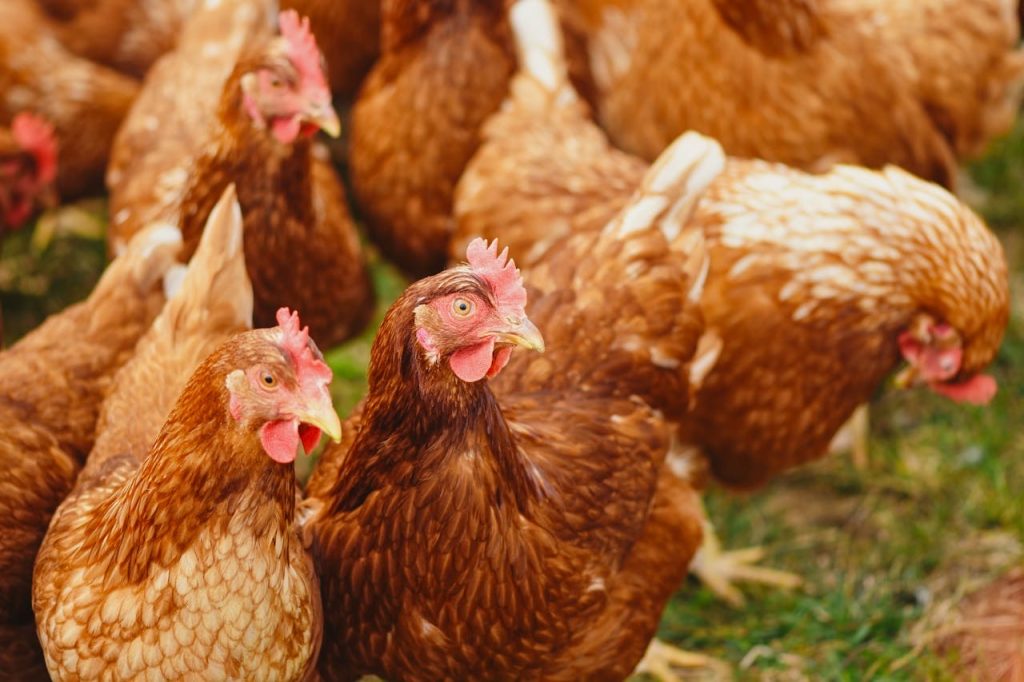
People love keeping backyard chickens for many reasons – they provide fresh eggs daily, are great for companionship, and are essential to sustainable living.
Here are the factors affecting a chicken’s lifespan:
Types of Chickens
One of the biggest factors that will affect the lifespan of your backyard chicken is its breed. Due to a chicken’s lineage, some breeds live longer than others. Plymouth Rock chickens, for example, can live ten to twelve long years! Rhode Island Reds can live eight years or longer if properly cared for. They tolerate most weather conditions and can live in confinement and a free-range environment. They are scrappy, fierce creatures who are great at protecting themselves.
Environment
Another factor that can significantly impact your backyard chicken’s life expectancy is your level of protection. How you shelter your chickens can make a big difference in their lifespan.
Understanding the various predators that can endanger your chickens is the initial step in ensuring their safety. A weather-resistant, waterproof chicken coop is a fundamental part of protecting your chickens from adverse weather and seasonal conditions. The automatic chicken coop door, a significant investment, not only provides a secure closure for your chickens at night but also guarantees their safety from predators, giving you peace of mind. It’s worth checking it out!
Diet and Nutrition
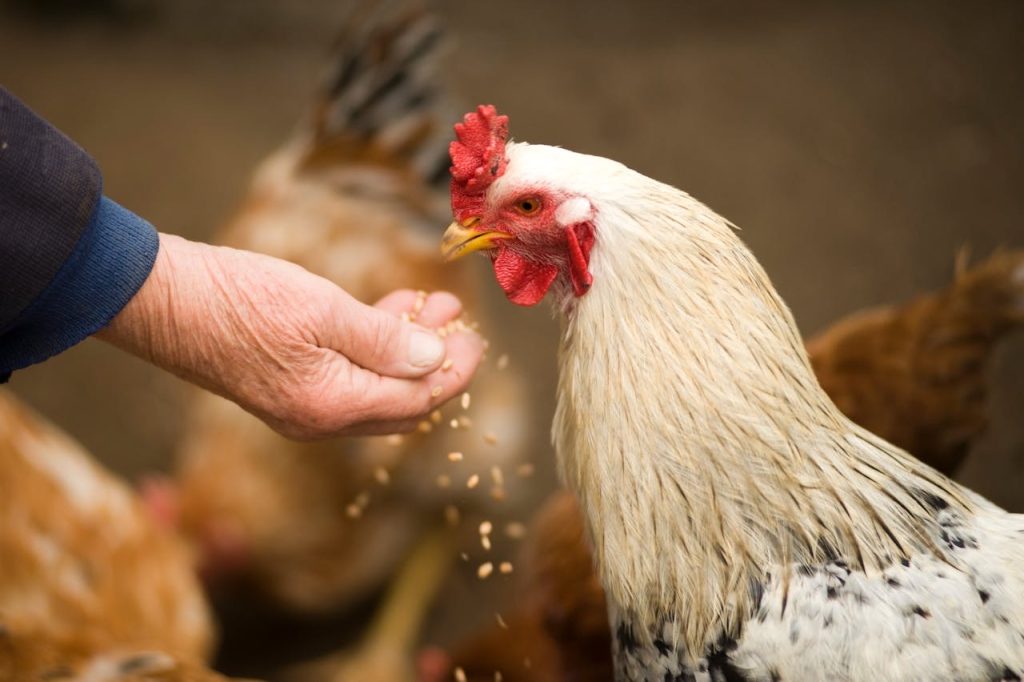
Whatever breed or type of backyard chickens you may have, their diet is essential. Providing proper nutrition to your backyards is the key to longevity. So, what do chickens eat? A good chicken diet contains protein, grains, vitamins, and minerals. Most people think that the only thing that chickens eat is corn (or scratch grain). Chickens need a balanced diet high in protein, vitamins, and minerals. Feeding extra calcium to egg-laying hens is also a good idea, as it helps promote healthy egg production. Free-ranging chickens usually benefit from more nutrients in their diets because they can forage. They consume bugs, leafy greens, and plants that can add nutrients, proteins, and minerals to their diets.
Predators and Health Care
The next factor that can significantly impact the lifespan of your backyard chickens is predators. When chickens are sleeping, they are more vulnerable to predators on the ground. By sleeping off the ground or roosting, they’ll keep themselves safe from many types of predators at night.
Many backyard chicken keepers perform preventative actions to keep diseases, pests, and parasites at bay. Natural remedies include diatomaceous earth dust baths and feeding your chickens red pepper flakes. Frequently cleaning your chicken coop and run can also result in disease-free chickens.
Common Health Issues in Chickens
The top 6 most common chicken health problems are:
- Soft-shell eggs: From time to time, you may spot an egg with only a wafer-thin shell that is either incredibly fragile or breaks as soon as you pick it up.
- Red mites: Summertime often brings an explosion of red mites, so you must know the signs and how to deal with them. The most obvious sign is a hen’s reluctance to go into their coop, often because the red mites are causing them irritation.
- Impacted crop: This condition occurs when a hen ingests something that causes a blockage, leading to a demanding crop. Long grass is a common culprit, so monitoring your lawn and mowing it if necessary is essential. Also, avoid letting your hens eat straw, which can lead to impacted crops.
- Scaly leg: Scaly leg, caused by mites burrowing under the hens’ scales, is irritating. If left untreated, it can lead to thickened and encrusted scales that lift away from the leg. Early treatment is crucial to prevent this.
- Egg yolk peritonitis (EYP): If you have ever encountered a hen standing somewhat like a penguin, you may already know that this is a sign of Egg Yolk Peritonitis. This is caused when a hen begins laying internally and cannot pass the yolks, which gather in her belly until it becomes swollen and stiff.
- Worms: Hens can pick up worms and become unwell like all pets. The three most common worms affecting pet hens are roundworms, tapeworms, and gapeworms.
How to Help Your Chickens Live Longer
Protection from predators, minimal stress, and a coop that keeps them dry and protected from extreme weather conditions all contribute to a longer, healthier life. Overpopulation should be avoided because it can lead to stress, aggression, and increased disease transmission.
Conclusion
Our backyard feathery friends can live much longer than expected if correctly cared for. This includes providing them with proper shelter and housing, good food, adequate protection, and taking great care of them. If your backyard chickens are cared for properly, they can live long, happy lives, sometimes up to fifteen years.