

Dogs can get fevers just like humans, but the signs are not always obvious. Your dog cannot tell you they feel sick, which is why it helps to know what changes to look for at home. Things like unusual tiredness, shivering, warm ears, loss of appetite, or a dry nose can sometimes point to a problem, although they do not always mean your pet has a fever.
Learning how to tell if a dog has a fever can help you decide whether your dog simply needs rest and monitoring or if it is time to call the vet. In some cases, a fever may be linked to an infection, inflammation, toxins, or another underlying health issue that needs medical attention.
What Is a Normal Dog Temperature?

A normal dog temperature is higher than what most people expect. While humans usually sit around 98.6°F, dogs naturally run warmer. In most cases, a healthy dog temperature range falls between 101°F and 102.5°F (38.3°C to 39.2°C) [halocollar.com].
Because dogs already have a higher body temperature than humans, they can feel warm to the touch even when they are completely healthy. This is why relying only on your hand to judge whether your dog has a fever can sometimes be misleading.
Generally, a temperature above 103°F is considered a fever in dogs, while temperatures reaching 106°F or higher can become dangerous and may require immediate veterinary care. Extremely high fevers can put stress on the organs and may lead to serious complications if left untreated.
It is also important to remember that a dog’s temperature can rise slightly after exercise, excitement, stress, or spending time in hot weather. Looking at your dog’s overall behavior and symptoms alongside their temperature often gives a clearer picture of what is going on.
Dog Fever Symptoms to Watch For
A fever can affect dogs in different ways depending on the cause and how high their temperature is. Some symptoms are mild at first, while others may point to a more serious issue that needs veterinary attention.
Common dog fever symptoms include:
- Lethargy or unusual tiredness
- Loss of appetite
- Shivering or trembling
- Warm ears or paws
- Red or glassy-looking eyes
- Panting more than normal
- Dry nose or dehydration
- Vomiting or diarrhea
- Coughing or sneezing
- Hiding, clinginess, or behavior changes
- Reduced interest in walks, play, or food
- Swollen lymph nodes in some cases
How to Tell If a Dog Has a Fever Without a Thermometer
Sometimes you may suspect your dog is sick before you have access to a thermometer. While checking their temperature is the only accurate way to confirm a fever, there are still several signs that may help you spot a problem early.
This is how to tell if a dog has a fever without using a thermometer:
- They seem unusually tired or weak
- Their ears or body feel much warmer than normal
- They are shivering even when it is not cold
- They refuse food or water
- Their eyes look red, watery, or glassy
- They are panting excessively while resting
- They hide, act withdrawn, or seem uncomfortable
It is important to remember that these symptoms can also be linked to stress, pain, overheating, or other illnesses. A warm nose alone is not a reliable sign of fever, despite the common myth [oakvillevets.com]. If your dog seems unwell for more than a few hours or symptoms become severe, checking their temperature properly or contacting a vet is the safest option.
The Most Accurate Way to Check Your Dog’s Temperature
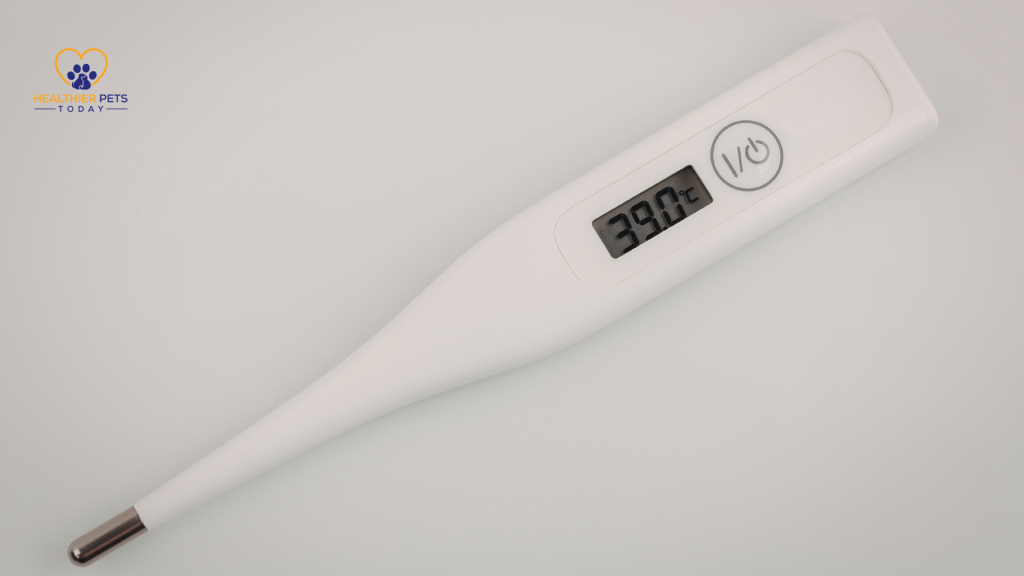
If you want to confirm a fever in dogs, taking their temperature with a digital thermometer is the most accurate method. While touch can sometimes give clues, it cannot tell you exactly how high your dog’s temperature is. A thermometer helps you know whether your dog has a mild fever, a dangerous temperature, or is still within a healthy range.
Most vets recommend using a rectal thermometer because it provides the most reliable reading at home. It may sound uncomfortable, but when done gently and carefully, the process is usually quick and safe for most dogs.
How to Use a Digital Thermometer Safely
Always use a clean digital thermometer with a flexible tip if possible. It is best to keep one thermometer specifically for your pets instead of sharing one used by people in the household [zoetispetcare.com].
Before you begin:
- Stay calm so your dog feels less anxious
- Have treats ready as a reward afterward
- Ask someone to help hold your dog if needed
- Never force the process if your dog becomes aggressive or highly distressed
A rectal thermometer is generally more accurate than ear or forehead thermometers when checking a dog’s temperature at home.
Step-by-Step Rectal Temperature Method
Checking your dog’s temperature is usually easier when they are relaxed and standing still.
Follow these steps:
- Turn on the digital thermometer
- Lift your dog’s tail gently
- Carefully insert the thermometer about 1 inch into the rectum (slightly less for small dogs)
- Hold it steady until the thermometer beeps
- Remove it gently and read the temperature
- Clean the thermometer thoroughly afterward
If the reading is above 103°F, your dog may have a fever. Temperatures over 106°F should be treated as an emergency.
Using Lubricating Jelly for Comfort
Applying a small amount of lubricating jelly or petroleum jelly to the tip of the thermometer can make the process more comfortable for your dog. This helps reduce friction and makes insertion gentler, especially for nervous or sensitive pets.
Trying to insert the thermometer without lubrication may cause discomfort and make your dog more resistant during future checks.
Using Disposable Thermometer Covers for Hygiene
Disposable thermometer covers can help keep the process cleaner and more hygienic. They are especially useful if you need to check your dog’s temperature more than once while monitoring symptoms.
Even with a cover, the thermometer should still be cleaned properly after each use. Washing your hands before and after checking your dog’s temperature is also important to reduce the spread of bacteria.
What Causes a Fever in Dogs?
A fever is usually a sign that your dog’s body is trying to fight off something harmful. In many cases, it happens when the immune system responds to an infection, inflammation, or illness.
Some common causes of fever in dogs include:
- Bacterial, viral, or fungal infections
- Ear infections or dental infections
- Infected wounds or abscesses
- Tick-borne illnesses
- Vaccination reactions in some dogs
- Eating toxic substances or poisonous foods
- Urinary tract infections
- Inflammatory conditions or autoimmune diseases
- Heatstroke, which can dangerously raise body temperature
Sometimes, the exact cause is not immediately clear. If your dog’s fever lasts more than a day, becomes very high, or happens alongside symptoms like vomiting, difficulty breathing, severe lethargy, or seizures, a vet visit is important.
What to Do If Your Dog Has a Fever

If your dog has a fever, the first step is to stay calm and monitor how they are acting overall. A slightly raised dog body temperature does not always mean there is a serious emergency, but it is important to keep a close eye on symptoms and make your pet as comfortable as possible.
| Dog Temperature Reading | What It May Mean | What You Can Do at Home |
| Below 101°F | Lower than normal body temperature | Keep your dog warm and monitor for other symptoms |
| 101°F – 102.5°F | Normal dog body temperature range | No action usually needed if your dog is acting normal |
| 102.6°F – 103°F | Slightly elevated temperature | Encourage rest, hydration, and monitor closely |
| Above 103°F | Possible dog fever | Recheck temperature and watch for worsening symptoms |
| 106°F or higher | Dangerously high temperature | Keep your dog cool and monitor very closely |
When to Call the Vet Immediately
A mild fever may sometimes improve with rest and hydration, but there are situations where your dog needs urgent medical attention. Even if you know the normal temp for dogs, symptoms alongside a fever can sometimes point to a more serious illness or emergency.
Call the vet immediately if your dog:
- Has a temperature above 106°F
- Struggles to breathe
- Has seizures or collapses
- Cannot keep water down
- Seems extremely weak or unresponsive
- Has pale gums or signs of dehydration
- Shows severe vomiting or diarrhea
- May have eaten something toxic
- Has a fever lasting longer than 24-48 hours
Puppies, senior dogs, and dogs with existing health conditions should also be monitored more carefully, as they can become seriously ill faster than healthy adult dogs [petmd.com].
Conclusion: What to Do & When to Get Help
Knowing how to tell if a dog has a fever is not just about checking a number on a thermometer. It is also about noticing when your dog is acting differently, picking up on subtle warning signs, and understanding when something feels off. Many fevers are linked to common illnesses that improve with proper care, but some can become serious if ignored for too long.
The goal is not to diagnose every problem at home, but to recognize when your dog may need extra support, closer monitoring, or professional care. Paying attention early can make a big difference in helping your pet recover comfortably and safely.
Frequently Asked Questions (FAQ)
How to check if a dog has a fever without a thermometer?
You can sometimes spot signs of illness by paying attention to your dog’s behavior and body language. Warm ears, shivering, tiredness, panting, loss of appetite, or red eyes may all suggest a fever. However, these signs are not always reliable on their own. Since the normal temperature for dogs is naturally higher than that of humans, many healthy dogs already feel warm to the touch. A thermometer is still the best way to confirm a fever accurately.
Can you tell by touch if a dog has a fever?
Sometimes, but not with complete accuracy. A dog with a fever may feel unusually warm around the ears, paws, or stomach, but touch alone cannot confirm whether their temperature is actually too high. Things like warm weather, exercise, stress, or thick fur can also make a dog feel hotter than normal.
Can dog fever resolve on its own?
In some mild cases, a fever may go away on its own as the dog’s immune system fights off a minor issue. However, not all fevers are harmless. If the fever becomes high, lasts longer than a day or two, or comes with symptoms like vomiting, weakness, breathing problems, or refusal to drink water, the underlying cause may need treatment.
What is a natural fever reducer for dogs?
There is no guaranteed natural cure that safely reduces a fever in every dog, especially since the underlying cause matters. The safest things you can do at home are helping your dog rest, encouraging hydration, and keeping them in a cool, comfortable environment. You can also place a cool (not ice-cold) damp cloth on areas like the paws or ears if they seem overheated. Avoid giving human medications unless a vet specifically instructs you to, as many can be toxic to dogs.
What are the signs of a dog having a fever?
Common signs include tiredness, shivering, warm ears, loss of appetite, panting, red eyes, dehydration, and changes in behavior. Some dogs may also hide, sleep more than usual, or seem less interested in walks and playtime. This is how to tell if your dog has a fever before you even check their temperature, although using a thermometer is still the most accurate way to confirm it.
Our articles are researched, edited and regularly reviewed. Sources and references supplied in the article remain part of the published content.


