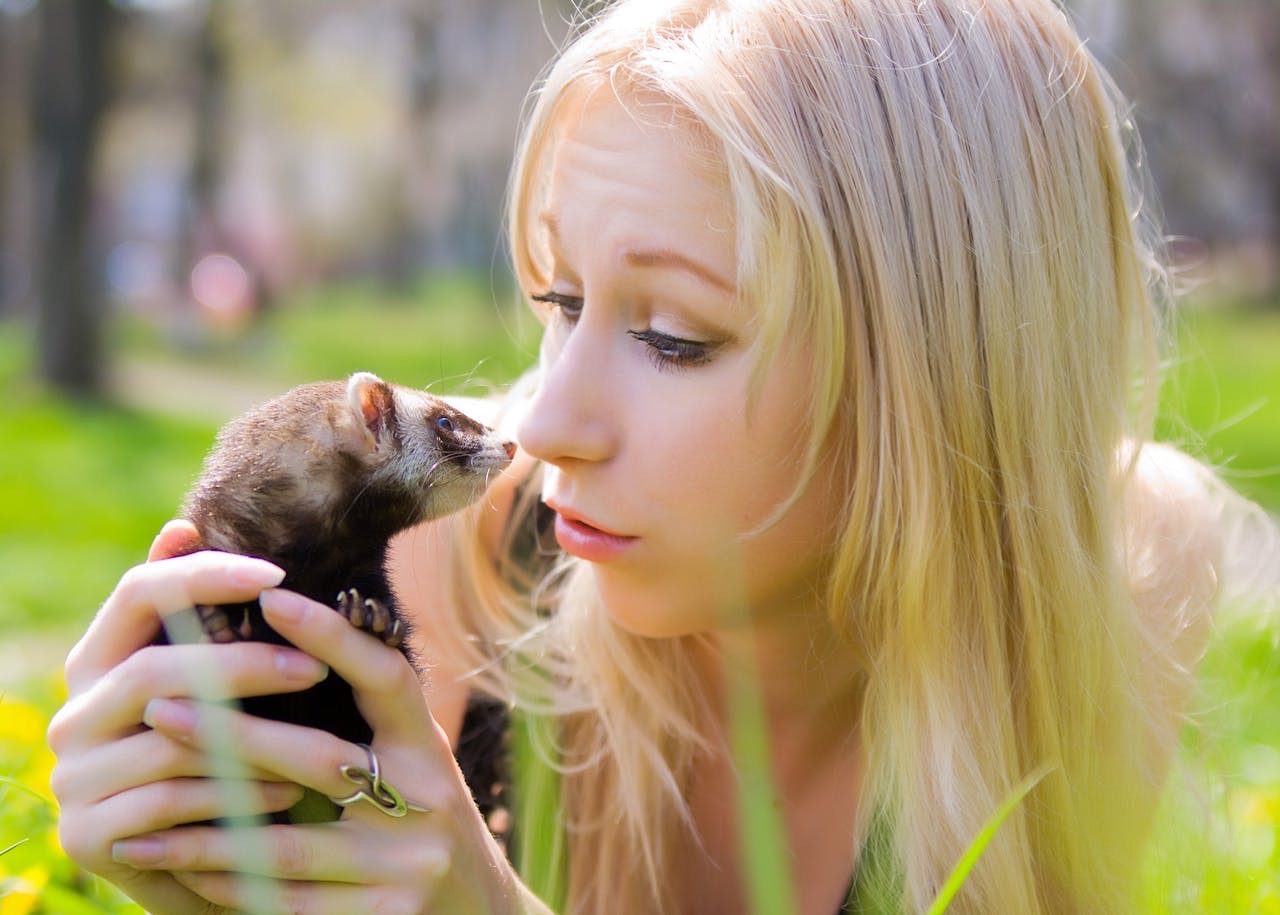
African grays are chirpy and lovable birds, but if you don’t take proper care of them in the domestic environment, they will present self-harming behaviors, which could be fatal. Let’s take a look at the lifespan of African gray parrots and how to extend it!
Table of Contents
What is the Lifespan of African Gray Parrots?
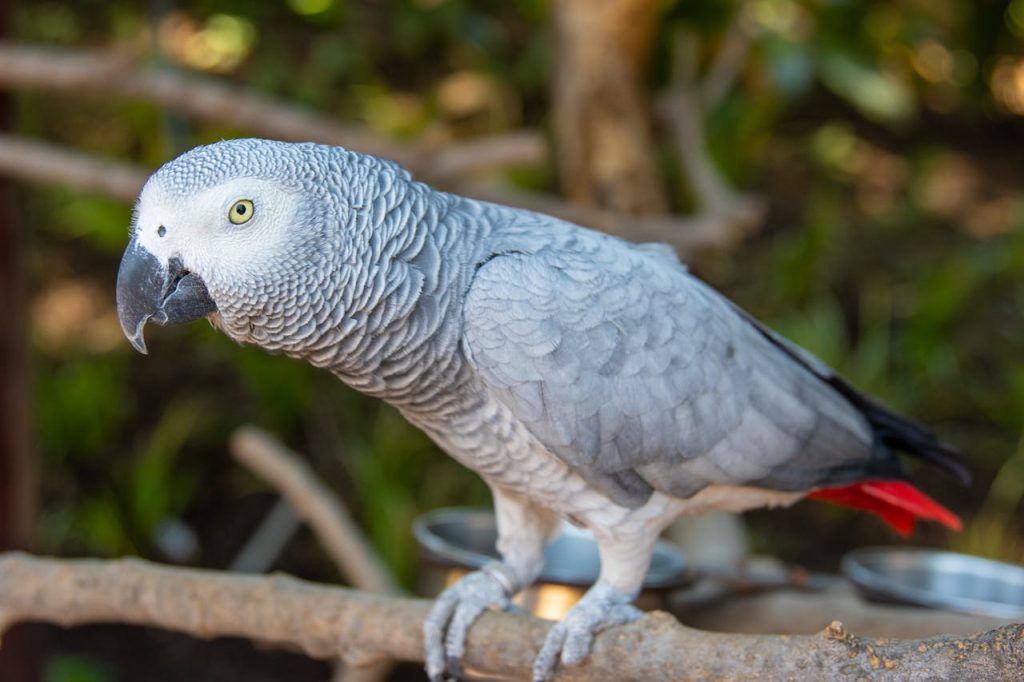
African gray parrots might live to the age of 40-60 in captivity, though their lifespan in the wild is approximately roughly 23 years.
Factors that Influence Lifespan
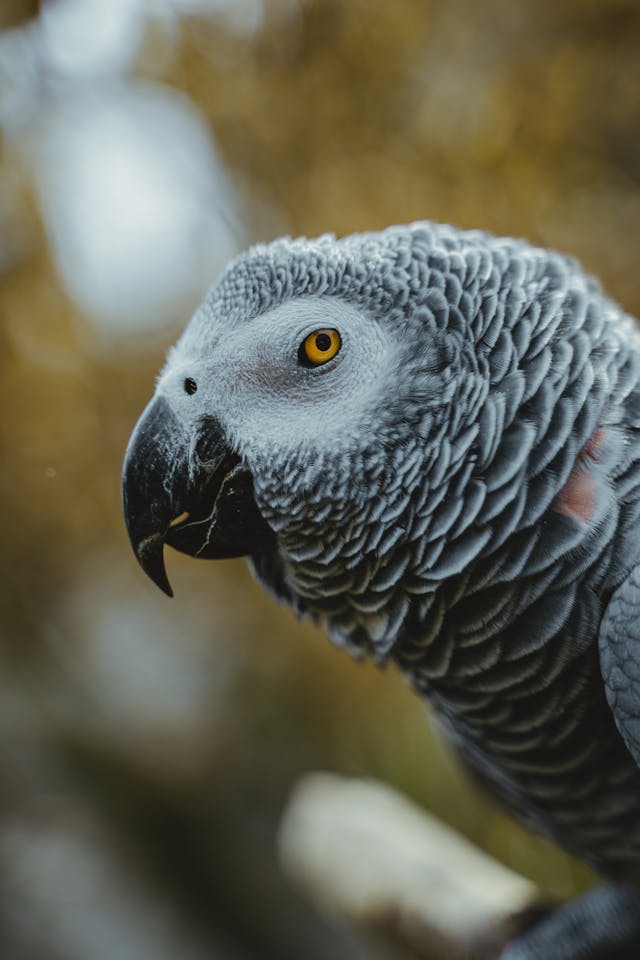
Many factors influence the lifespan of an African gray parrots, such as genetics, diet and nutrition, exercise and mental stimulation, health care, and living environment. Now, let’s take a closer look at it!
- Genetics: Some breeders don’t focus on genetic health, which can lead to a shorter lifespan for these little birdies.
- Diet and Nutrition: African grays are supposed to be on a low-calorie diet full of veggies, fruits and seeds. Feeding your parrot high-quality pellets is just as important.
- Exercise and Mental Stimulation: These birds require exercise and mental stimulation, which affects their physical and mental health.
- Cages: African grays are supposed to spend some time outside their cages to prevent obesity and other health issues.
Signs of Aging
- Cataracts: They develop opaque white lenses or gray lenses.
- Conjunctivitis (Pink Eye): Thick discharge, white or tan, can become crusted. Eye redness, swelling of the eye and head. Blinking and squinting
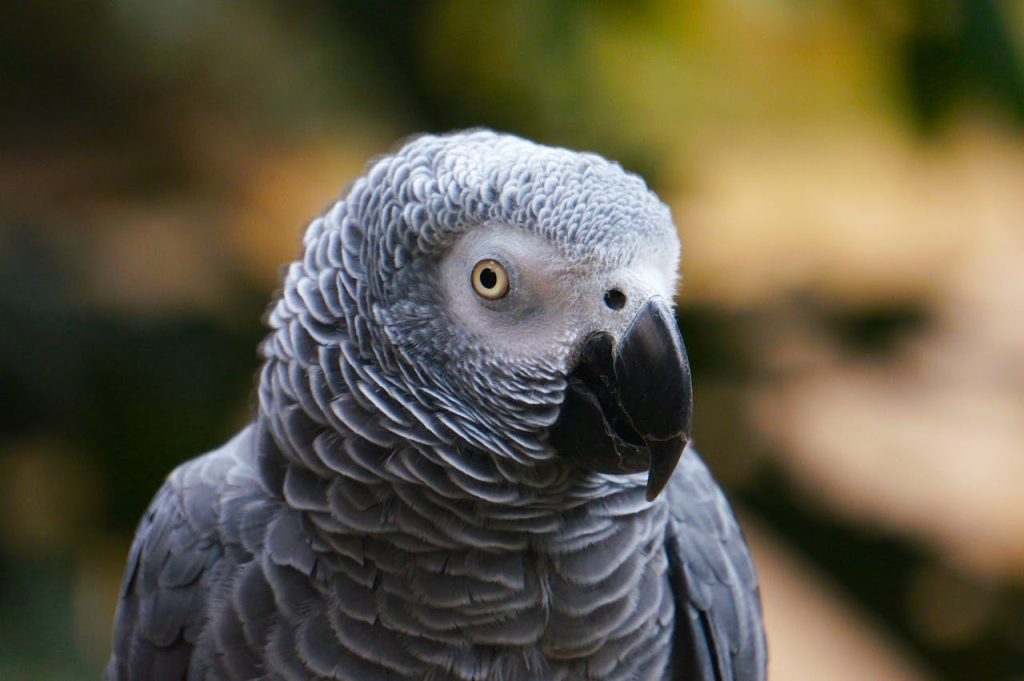
- Feather Coloration: Younger grays have darker, charcoal-colored feathers; the plumage gets lighter as they age and then transitions to a typical gray color.
- Behavior: Older parrots may exhibit a more calm, settled demeanor, whereas younger ones are often more playful, curious, and active
- Leg and Feet Color: Younger african grays have pinkish legs and feet that get darker and grayisher as they age.
- Feathers Around the Eyes: Old African grays have more pronounced white or light gray feathers around the eyes
- Iris Rings: Small, ring-like markings around the pupils known as iris rings can develop as the African gray age, which can become more prominent with age.
- Beak Development: Texture and thickness can change as the parrot ages, whereas younger birds have smoother, slightly softer beaks.
Tips to Extend Their Lifespan
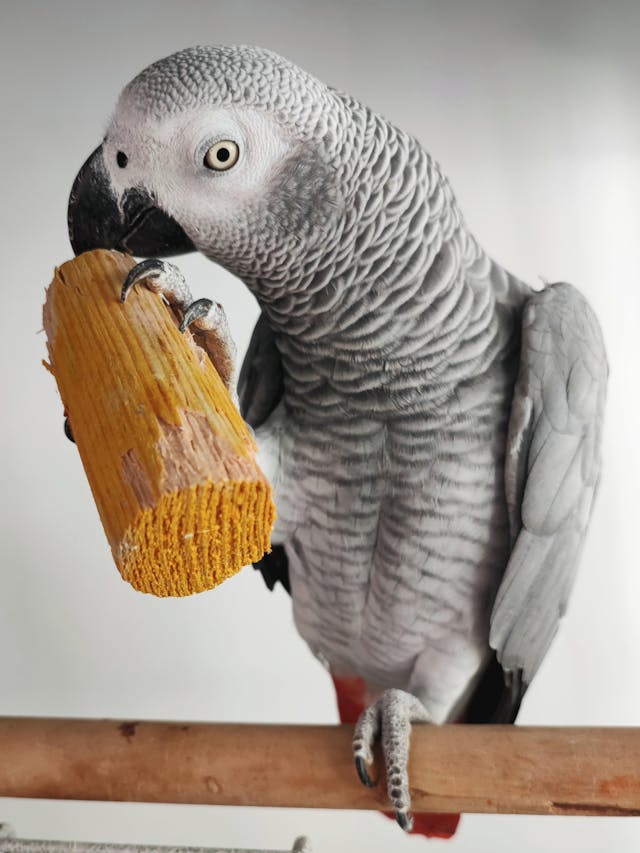
- Providing a Healthy Diet: A healthy, balanced diet is an important key to a parrot’s longevity.
- Creating a Stimulating Environment: Parrots need a lot of mental stimulation to stay healthy and happy. From a young age, parrots should be given toys, ideally for birds to play with, perches to move on, and opportunities to exercise and fly outside of their cage.
- Spending Time Bonding and Interacting: Parrots form strong bonds with their owners. They are very intelligent and social, but they can become lonely, anxious, and depressed if left alone in their cage for long periods.
- Veterinary Care: Regular checkups, at least once a year, are crucial to ensure your parrot’s health and well-being. Protecting your parrot from harmful substances: Ensure that their parrot isn’t exposed to harmful substances such as pesticides, toxic plants, and tobacco smoke. Ensure that there isn’t anything out that they can hurt themselves when flying around.
Checklist
You may find it daunting at first, but don’t worry. This checklist provides you with the care your parrot needs!
Daily Tasks
- Freshwater
- A balanced diet that has pellets, fruits, and vegetables
- Engage with them for at least 30 minutes
- Remove any uneaten food
Weekly Tasks
- Rotate toys
- Clean food and water bowls
- Inspect your parrot for signs of any health issues
- Train your parrot
Monthly Tasks
- Schedule an appointment to check on their health
- Deep clean the cage
- Introduce new toys
FAQs
How can I tell that my African gray parrot is healthy?
It’s all in their appearance. Their color should be bright, their mouth clean, and they should have no toxic smells. As for their feet, they should move freely on both legs, with no nail overgrowth, excessive feces build-up, or missing toes.
Does my parrot need exercise?
Yes, they need exercise! Exercise is a vital part of any bird’s routine. It not only prevents birds from becoming overweight, but it also helps with boredom and makes them healthier and happier. Exercises can include climbing, walking, playing games, or wing flapping.
What is the best way to enrich my African gray’s environment?
An enriching habitat will improve your parrot’s quality of life, so offer him a mix of perches and hide treats throughout his enclosure. Chewable objects and puzzles are great sources of entertainment, so provide your parrot with a steady rotation of homemade and store-bought goodies.
Conclusion
Most people find that keeping an African gray as a pet is a high-maintenance but rewarding responsibility. African grays usually require a lot of attention, and when the owner fails to meet their needs, it could result in behavioral problems.
Ready to provide the best care for your African gray parrot and extend their lifespan? Try our tips today!
Our articles are researched, edited and regularly reviewed. Sources and references supplied in the article remain part of the published content.