


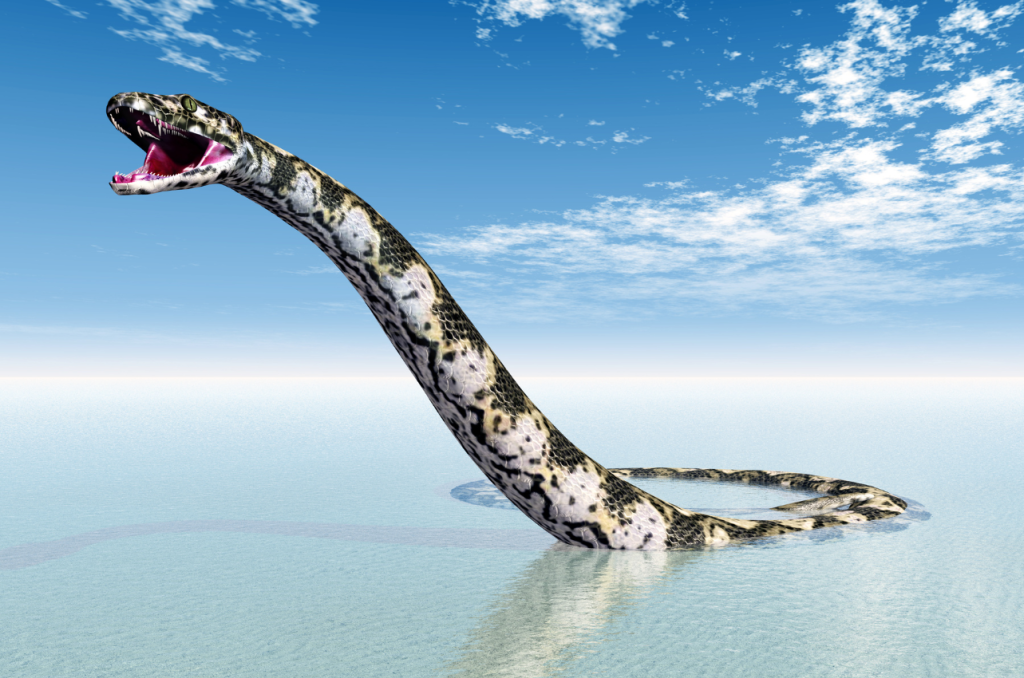
Snakes are interesting creatures. While they come in different sizes and varieties, some extinct species have reached sizes that are hard to believe or imagine today. They were the apex predators of their time that dominated both sea and land. But what did they look like and live like? This article delves into the most intriguing facts about extinct snakes and their diverse history. Let’s get started!
Table of Contents
5 Extinct Snakes


- Titanoboa
This is the most famous extinct snake, which holds the title of the biggest snake to ever exist. This creature is believed to have lived around 60 million years ago – shortly after the dinosaurs went extinct. Weighing more than 2,000 pounds and as long as 50 feet in length, it was longer than a bus and heavier than the average car.
Columbia was once a tropical forest, and this snake lived and ruled here. They would patiently wait for a prayer in the murky waters before striking. Their diet consisted of crocodilians and large fish. They would construct their prey before swallowing it whole. When this snake was discovered, it gave scientists insights into the climate of that era. This suggested that the average temperature was warmer than today, which supported the snake’s size.
- Gigantophis
The Gigantophis was once thought to be the biggest snake, as it was discovered before the Titanoba. This snake lived around 40 million years ago in northern Africa. It reached between 30 and 35 feet. While it wasn’t as big as the Titanoba species, it still fed on large prey like early proboscideans – ancestors of elephants.
They were discovered in the early 1900s, revolutionizing paleontology’s understanding of life in Africa. The Gigantophis belongs to a group of ancient snakes called the Palaeophiidae, hunting in shallow waters. This snake eventually became extinct due to climate changes and the emergence of more adaptable competitors.
- Palaeophis Colossaeus
This marine snake lived around 50 million years ago and could reach 40 feet, but most were around 27 feet long. They lived in the Tethys Sea, which once separated the ancient continents of Gondwana and Laurasia.
Their long and streamlined bodies allowed them to quickly navigate through the water and feed on marine creatures like fish and small marine mammals. Scientists believe that some of the larger snakes could have even prayed on small whales, making them one of the ocean’s top predators at this time.
- Laophis Crotaloides
While most extinct species relied on their size and strength, this snake killed its prey with venom. It is the largest venomous snake to have ever existed and lived in what we call today, Greece.
Because of their size and venom, they could strike at a great distance and deliver a potent dose to small and medium-sized mammals. The exact cause of their extinction remains unknown, but experts believe that it may have been climatic shifts or competition.
- Vasuki Indicus
One of the most recent exciting discoveries is the Vasuki indicus. This extinct snake measured up to 50 feet, rivaling the size of the world’s biggest snakes. It belonged to the Madtsoiidae family, which existed for 100 million years. It wasn’t an active hunter but an ambush predator.
The Role of Climate in the Extinction of Giant Snakes

Changes in climate and habitat led to the extinction of many of these snakes. As the Earth cooled over time, massive snakes like the five mentioned above struggled to adapt. However, smaller snakes could survive and outcompete their larger counterparts, leading to the extension of giant species.
Why Did Giant Snakes Grow So Large?
Warm climates and high humidity allowed reptiles to grow larger. Food supplies like ancient crocodilians, fish, and mammals contributed to their size. During that time, they had many large mammalian predators, which meant that there were fewer competitors, and the giant snakes were positioned at the top of the food chain. As mammals became more diverse and began to fall into various ecological niches, these giant snakes found themselves with competition, which could have contributed to their eventual decline.
How Do Extinct Snakes Compare to Modern-Day Giants?
Snakes today can’t compete with extinct giants like the Titanoboa or Vasuki indices. However, the green anaconda is the heaviest living snake, weighing over 500 pounds and reaching a length of 30 feet. They use their size to their advantage by wrapping their bodies around their prey and then squeezing. This is done until their prey has stopped breathing.
Conclusion

Extinct snakes are as fascinating as they are diverse. They have dominated the ecosystem for millions of years and grown to sizes that are hard to imagine. Encountering a snake as big as a bus that weighs more than a car would be shocking, to say the least. But uncovering these snakes led to more than just large numbers. It helps scientists and others understand the past better.
Can you believe that this earth once was full of these giants?