Did you know these exotic pets are escape artists? Yes, that’s right! This means that you have to put in a little more effort building their enclosure. Don’t worry, though – this article is full of tips and ideas that you can use to ensure it’s safe, comfortable and their ideal environment. Let’s get started!
Table of Contents
Choosing the Right Location
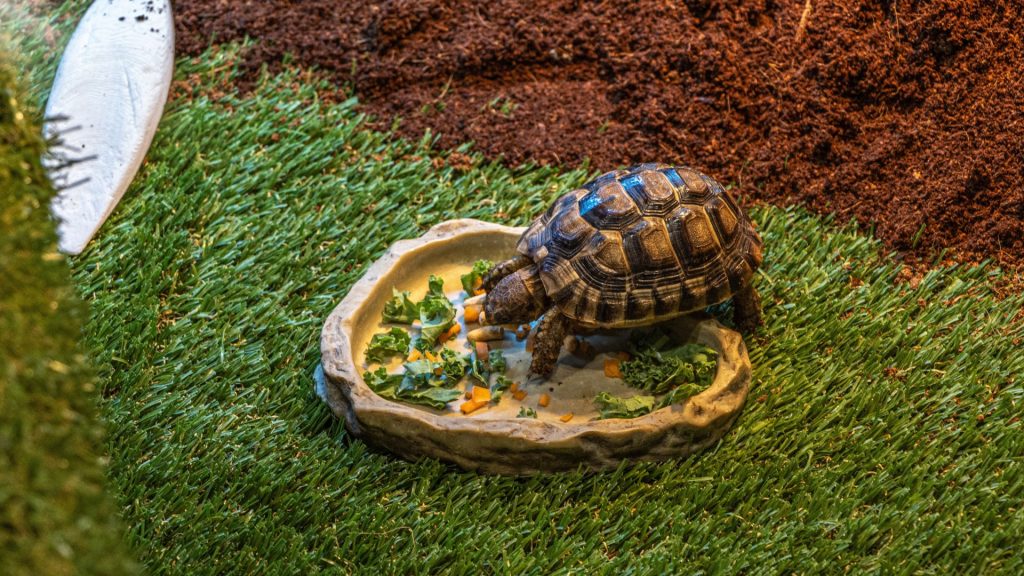
The location, elements, and level of security are essential when building an outdoor tortoise enclosure. As aforementioned, these creatures know a thing or two about escaping. So, don’t take chances.
Here is what you need to know:
Sunlight and Shade
Did you know that they need at least 80°F (27°C) to digest food properly? UVB exposure and the sun are crucial for tortoises because they aid in calcium absorption, which contributes to their overall health. But balance is key! These crawlies also need shade to help them cool down.
Shelter from Elements
Proper shelter is crucial for tortoises. It keeps them safe from extreme weather conditions like heavy rain, strong wind, and intense heat. They need both a secure and dry space to live in.
Materials such as chain-link, screen, or hardware cloth can all be used as long as they allow sunlight to pass through and are sturdy enough to withstand predators.
Security
Tortoises are at risk of fleeting and need protection from predators, which means that they have to be built or modified inside out.
Here is a list of predators that could potentially harm tortoises:
- Large birds
- Domestic pets
- Wild animals
Enclosure Size and Design
Size Matters
The size of a tortoise’s enclosure is important for many reasons, including health and happiness. Tortoises need enough space to roam around and explore because cramped enclosures can lead to stress and health issues.
Hatchlings need a 4ft x 8ft enclosure, while adults need a larger 10ft x 20ft enclosure. This gives these tortoises enough space to move freely, burrow and exhibit natural behaviors.
Fencing and Barriers
By now, it’s no secret that these tortoises can escape, which is why fencing is so important. Do you know how these tortoises escape? They are incredible climbers! But this is not all that they’re good at; they are also natural diggers. They can dig their way through an enclosure – all of the reason to use the right materials and actions.
Here are some tips for fencing and creating a barrier:
- Use materials that will last long and sturdy.
- Build the faints more than double the height of your tortoise.
- Make sure that the tortoises can’t see over the fence.
- Extend the barrier at least 12 inches deep into the ground.
The best materials to use when building an outdoor tortoise enclosure are:
- Wood
- Metal
- Bricks
- Concrete
Climate Considerations for an Outdoor Tortoise Enclosure
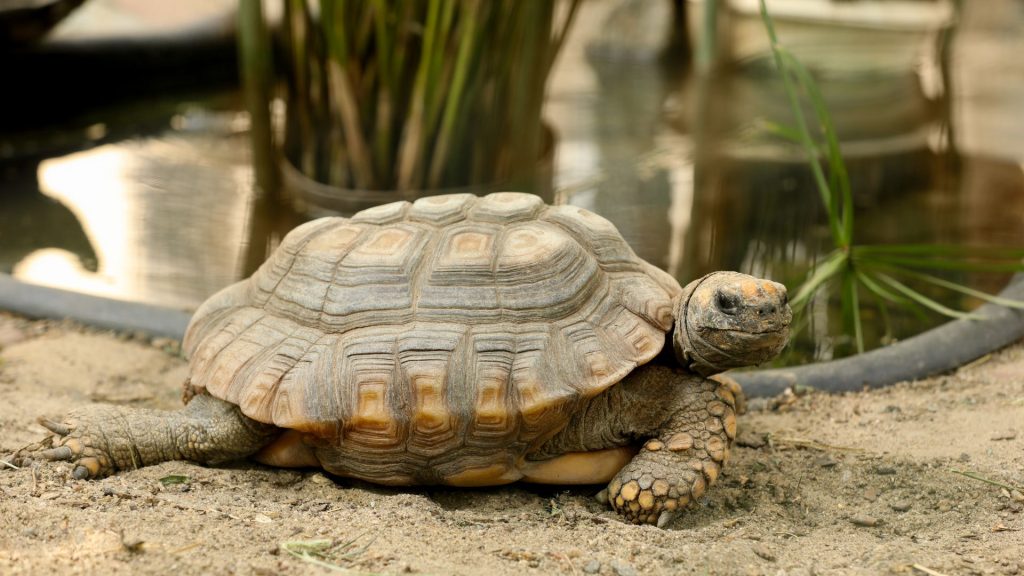
Tortoises can’t regulate their temperatures, so they won’t be able to digest food properly without the right care. This section focuses on how owners can maintain their tortoise levels. Let’s take a look!
Winter
This season can get pretty cold. This poses some serious challenges for tortoises. To maintain their body heat, they need an insulated heated shelter. This can be done by using ceramic heat lambs or under-tank heaters to ensure that the shelter stays warm enough. It should typically be above 50°F and mimic light inside the shelter to mimic natural daylight conditions.
Owners should ensure that tortoise species stay hydrated in addition to maintaining their warmth. Some species may slow down or even hibernate during winter, but freshwater is still essential.
Summer
Summer is going to be just as challenging as winter. While tortoises love the sun, raising their body temperature can cause overheating. To avoid this, owners can use large plants, shelters or shade cloth to block out direct sunlight during this season.
Swimming can cool tortoises down just like us, but it’s called soaking. Just ensure they have clean water and that it is shallow to prevent any accidents. But it needs to be deep enough for the tortoise to soak.
Health Checks
These checks can help owners check up on their outdoor tortoise without creating panic. The tortoise’s eyes should be clear, bright, and free from discharge. The nose should also be free of discharge or foreign objects. The tortoise should breathe with a closed mouth and be both alert and responsive. If you notice anything problematic, contact a professional to get them help.
Conclusion
The careful and considerate planning while creating the perfect outdoor tortoise enclosure is a rewarding experience. You can provide a safe and enriching habitat for tortoises by prioritizing things like size, security and environmental needs. Just remember to monitor their health regularly and adaptive closure as needed when the seasons change.
With the right attention, these crawlies can thrive outdoors. Roll up your sleeves and get started today to meet the needs of your beloved tortoise!
Our articles are researched, edited and regularly reviewed. Sources and references supplied in the article remain part of the published content.