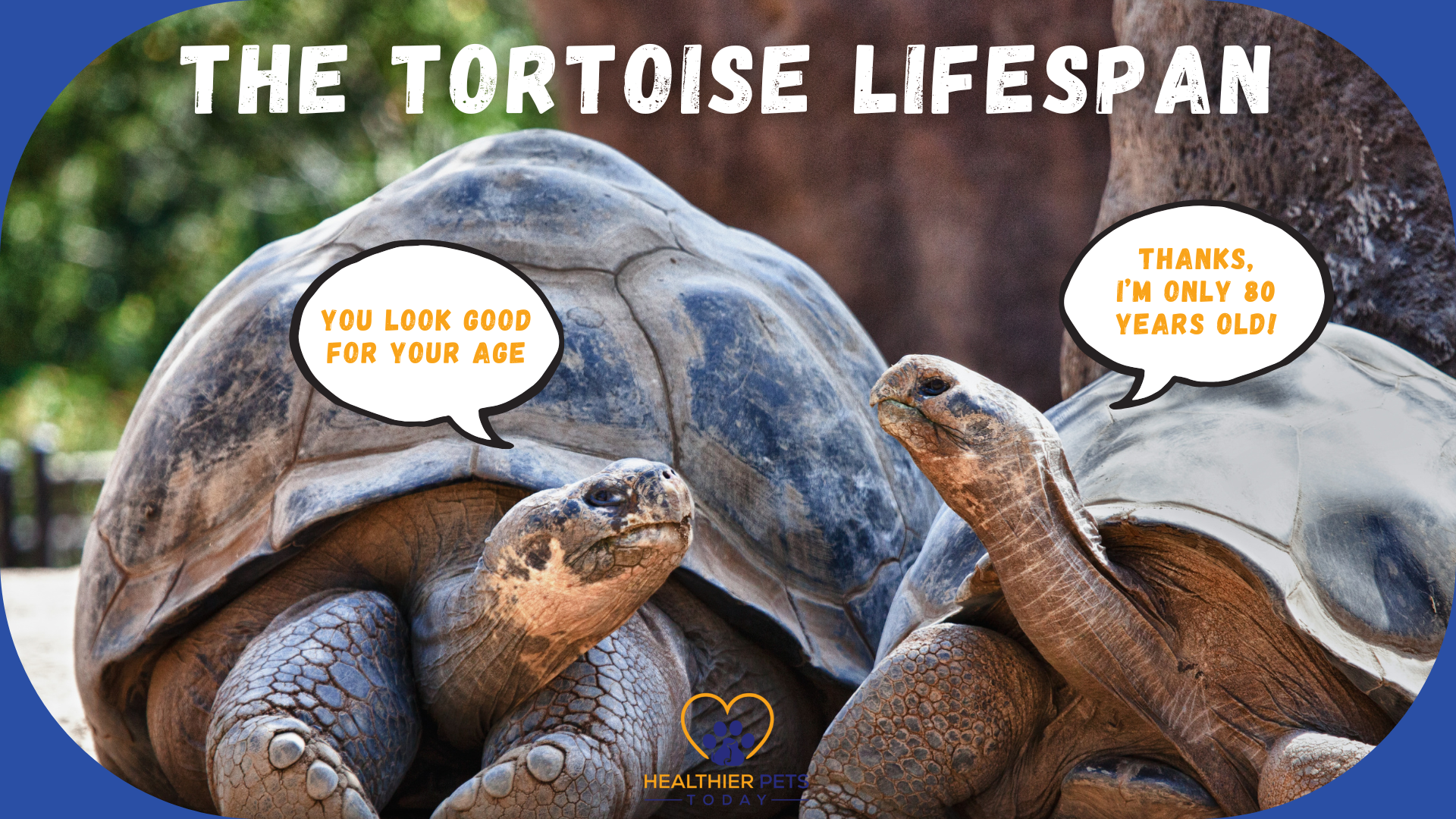
Tortoises are remarkable creatures, and their most intriguing feature is their shell. The structure of tortoise shells has some complex functions that protect them from predators, help with temperature regulation, hydrate them, and even play a role in social interactions. Isn’t that incredible? This article discusses these shells’ anatomy, behaviours, and even hibernation. Jump on, and let’s ride through the world of tortoise shells together!
Table of Contents
The Anatomy of a Tortoise Shell

The turtle’s shell is a shield for its front and back parts, completely enclosing all the important organs of the turtle and, in most cases, even the head. It’s assembled of modified bone elements such as parts of the pelvis, ribs, and other bones found in most reptiles. The shell contains both skeletal and dermal bones, which shows that the complete enclosure of the shell likely evolved by including dermal armor into the rib cage.
Functions
Tortoise shells serve incredible functions that help them survive and contribute to their well-being. Want to know what they are?
Here is each function with its importance to help you gain a better understanding:
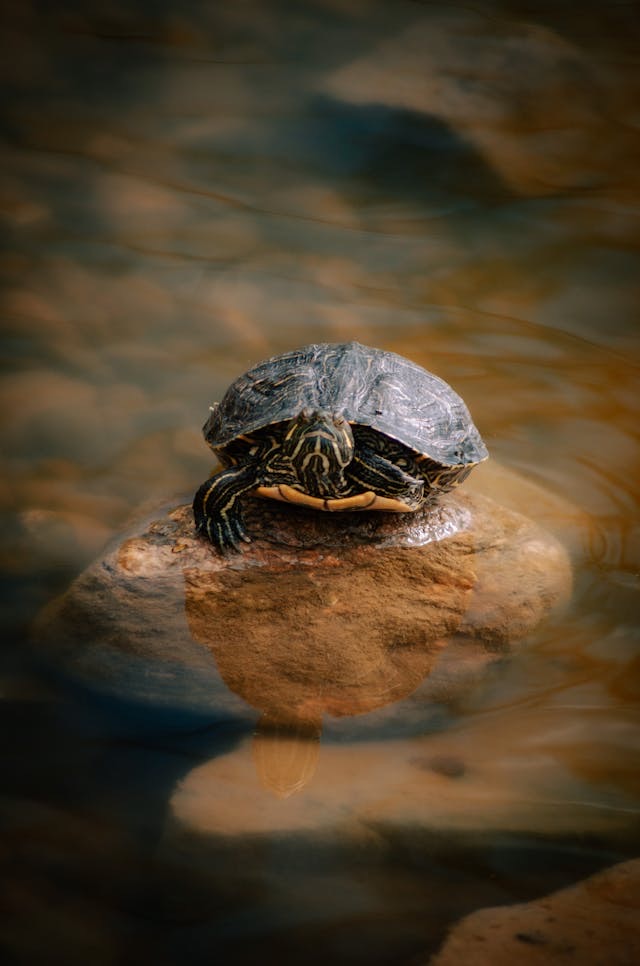
- Protection: The shell acts as a protective armor which safeguards the tortoise from both predators and environmental hazards. Their hard exterior makes it difficult for predators to bite or penetrate.
- Camouflage: The coloration and texture of a tortoise’s shell can help them blend into things like its environment which provides an additional layer of defense against predators.
- Regulating Temperature: Tortoises are cold-blooded animals, so they rely on external sources to regulate their body temperature. The shell helps them absorb or reflect sunlight, assisting in thermoregulation.
- Storage of Calcium: The shell is composed primarily of calcium carbonate, which can be utilized by the tortoise for metabolic processes, especially during times when dietary calcium is scarce. This happens often!
- Hydration: Some tortoise species can absorb moisture through their shells, helping them stay hydrated in arid environments, which is beneficial for their health.
- Buoyancy: The shell of aquatic tortoise species contributes to buoyancy, allowing them to float more easily in water and move around more easily.
- Social Signaling: The shell can also contribute to social interactions among tortoises. The shell’s size, shape, and condition can signal health and fitness to potential mates or rivals.
Tortoise Behavior and the Shell
A tortoise has a shell for protection and can withdraw inside to hide from predators. Unlike some armored species like armadillos, a tortoise’s shell is part of its bone structure, which is the main reason why it cannot leave its shell. Now, let’s move on to what happens inside this shell – hibernation!
Do Tortoises Hibernate?
Tortoises hibernate, but it depends on the species, environment, and other factors. Let’s examine key factors regarding tortoise hibernation.
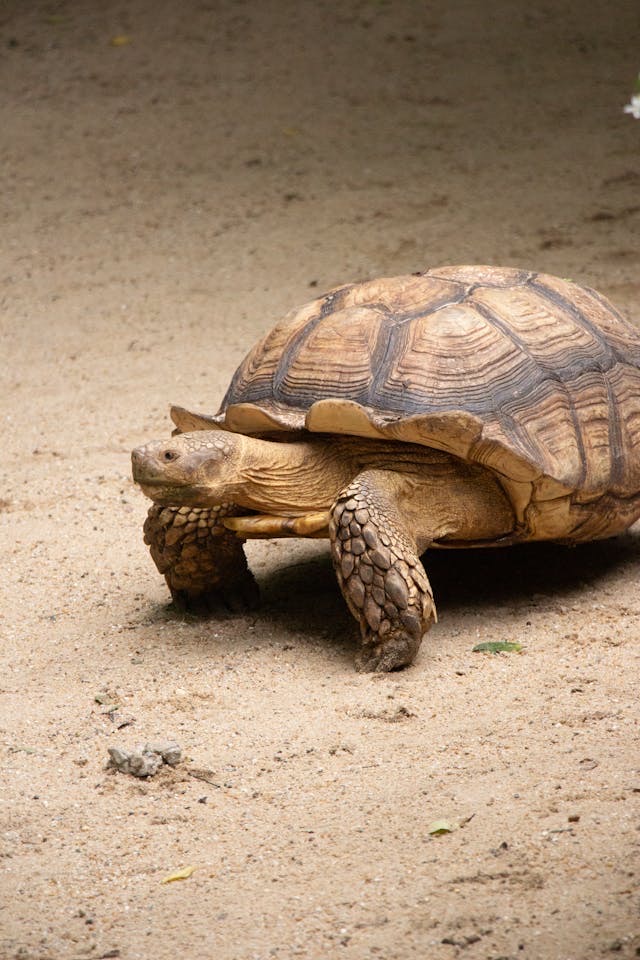
They are:
- Seasonal Behavior: Tortoises often enter hibernation during the colder months, which in temperate climates can be from late fall to early spring.
- Preparation: Before hibernation, tortoises typically eat more to build up fat reserves, which they rely on during their dormant period.
- Hibernation Conditions: Tortoises seek a safe, sheltered place to hibernate, like underground caves or piles of leaves. They need a cool, stable temperature and humidity level to hibernate successfully.
- Physiological Changes: During hibernation, a tortoise’s metabolic rate decreases significantly, which allows it to conserve energy. During this time, the tortoise may not eat or drink.
- Species Variation: Not all tortoise species hibernate; some tropical species may remain active year-round due to their warmer climates.
- Awakening: As temperatures rise in spring, tortoises gradually awaken from hibernation and then resume to their regular activity and feeding behaviors.
FAQs
How should I take care of tortoise shells?
Tortoise shells need care, food, and water to maintain strong shells. Therefore, owners should provide their tortoises with enough sunlight or UVB light for about 10 to 12 hours every day.
Proper diet and hydration are just as important. They should be fed calcium-rich greens like collard greens and kale and supplemented with vitamins and minerals. Some environments are extremely dry, which is why these crawlies should have clean water for both drinking and soaking every day.
What to do if my tortoise’s shell broke?
Take your tortoise to a veterinarian who treats exotic reptiles immediately. The shell is part of the tortoise’s skeleton, and a cracked shell can cause a life-threatening injury, so get your pet some professional help.
What is the biggest misconception about tortoise shells?
A common myth about tortoises is that they can leave their shells for another, but that is untrue. They can’t just shed like a snake and grow a new layer.
Conclusion
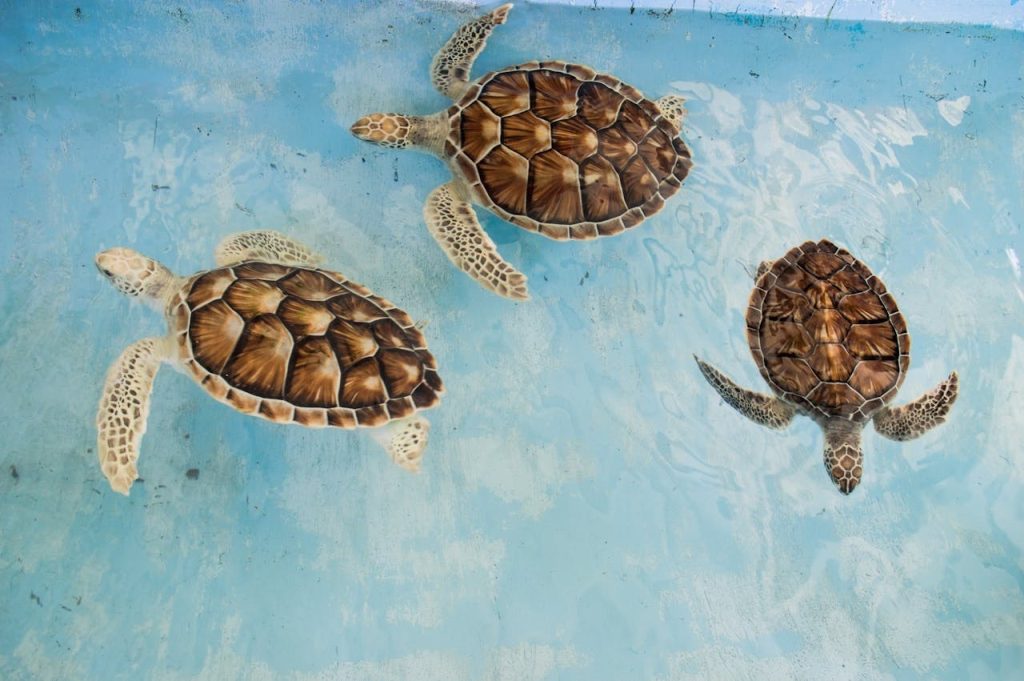
A tortoise’s shell is considered their shield, protecting them from things on the outside. They cannot leave it because it’s part of their bone structure. So, what should you do if this shell breaks? Take them to the vet immediately, as it can be life-threatening.
Safe their lives by looking after their shells – thank us later!
Our articles are researched, edited and regularly reviewed. Sources and references supplied in the article remain part of the published content.